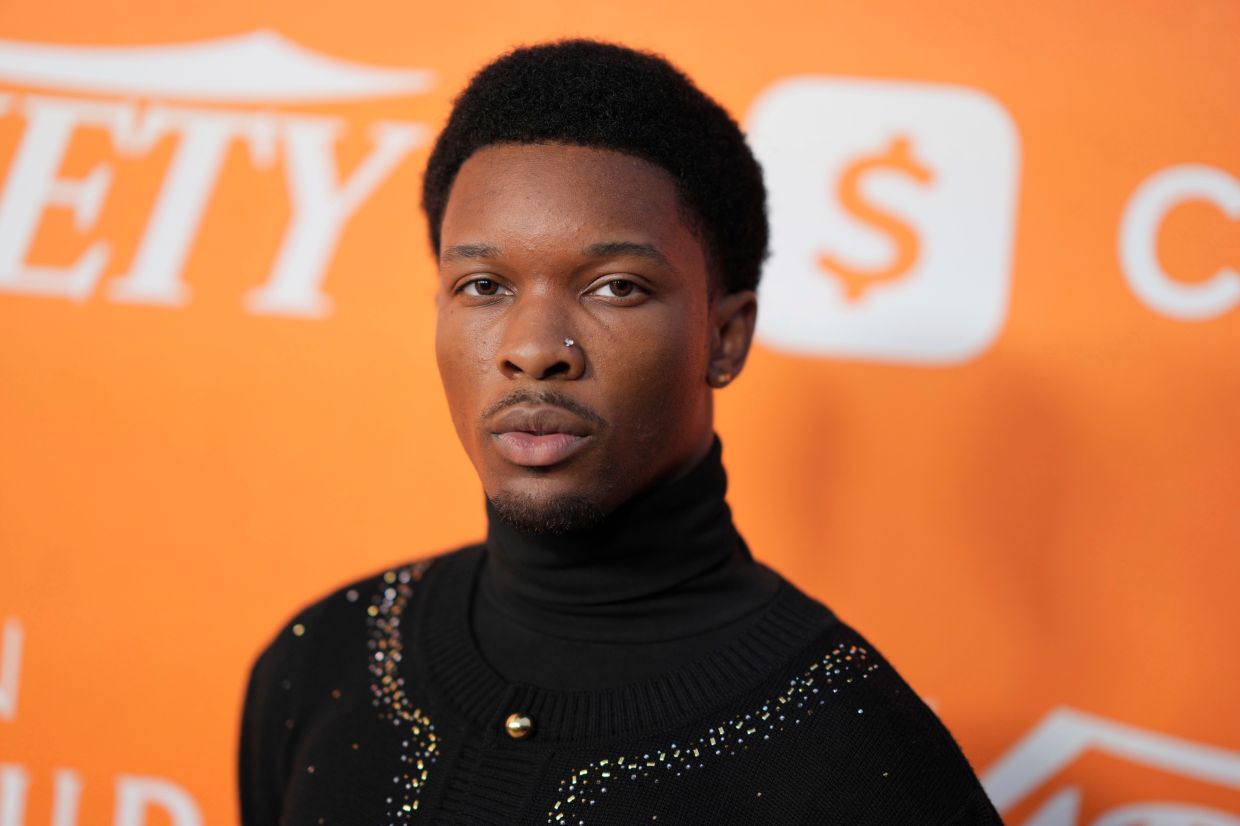
A preliminary hearing in Los Angeles has exposed the disturbing circumstances surrounding the death of a teenage girl whose decomposed remains were discovered in the vehicle of US rapper D4vd, whose legal name is David Anthony Burke. During testimony on July 21, an LAPD detective described the advanced state of bodily decay when the trunk of Burke's Tesla was opened at a tow yard, painting a grim picture of the crime scene that will likely define the prosecution's case against the 21-year-old artist as he faces charges of murder and other serious felonies.
Police Detective Joshua Byers recounted the moment officers encountered the remains of Celeste Rivas Hernandez, explaining that the first indication of what lay inside the vehicle came through olfactory evidence—the distinctive odour associated with human decomposition. When pressed during cross-examination about whether any identifiable facial features remained visible, Byers testified that skin slippage and other advanced decomposition processes had rendered the victim's face entirely unrecognisable. This forensic detail underscores the length of time the body remained concealed and highlights the extent of bodily deterioration that occurred within Burke's vehicle.
Photographic evidence presented to the court revealed the systematic nature in which the remains had been stored and concealed. The victim's head and torso had been placed together in a large black bag, while her arms and legs were separated into another container. Detective Byers provided additional testimony regarding the biological activity observed within the second bag, noting the presence of maggots and various developmental stages of flies, which forensic pathologists use to estimate the duration of post-mortem exposure. These details, while distressing, serve as critical markers in establishing the timeline of the victim's death and the conditions under which her body was maintained.
The timing of the discovery adds another layer of tragedy to the case. Celeste Rivas Hernandez's remains were found in September 2025, mere days before what would have marked her fifteenth birthday. Her mother had reported her missing in 2024 when the girl was only thirteen years old, suggesting that authorities and her family spent considerable time without knowing the fate of the missing teenager. The recovery of her body in Burke's vehicle ultimately provided closure, albeit heartbreaking, to months of uncertainty and anguish for those close to her.
Prosecutors have constructed a narrative that alleges a deeply troubling relationship between Burke and the victim spanning years. According to charging documents, the musician first encountered Celeste when she was merely eleven years old, before initiating a sexual relationship when she reached thirteen. This allegation characterises a prolonged pattern of exploitation and abuse of a child by an adult in a position of public visibility and influence. Body camera footage played during the hearing captured Burke telling sheriff's deputies that the victim had misrepresented her age, claiming she told him she was eighteen—a statement prosecutors likely view as a transparent attempt to deflect responsibility for his actions.
The motive attributed to Burke in the prosecution's case centres on the victim's threat to expose their illegal relationship. According to prosecutors, as the girl matured and became more aware of the inappropriate and criminal nature of her situation with the singer, she threatened to make the relationship public. Such a revelation would have jeopardised Burke's career and his substantial earnings derived from his music. This alleged motive received further substantiation through testimony from Burke's former financial manager, Benjamin Greger, who detailed the considerable financial stakes involved in protecting Burke's reputation and career trajectory.
Greger's testimony provided the court with concrete financial figures that illustrate the economic incentive prosecutors argue motivated the alleged crime. The former financial manager indicated that between 2023 and 2025, Burke generated between ten and eleven million dollars in gross income solely from his musical endeavours. These earnings represented not merely income but the foundation of his celebrity status, wealth accumulation, and public profile. The magnitude of these figures suggests that Burke had substantial financial motivation to prevent any scandal that might threaten this lucrative career, according to the prosecution's theory of the case.
Throughout the hearing, Burke remained composed, maintaining an expression of detachment even as disturbing photographic evidence was displayed to the court. Dressed in the standard orange prison jumpsuit required of defendants in custody, his demeanour provided no visible reaction to the graphic details of the alleged crime being presented. This apparent lack of emotional response during proceedings may become a focal point in trial strategy, potentially influencing how jurors ultimately perceive his character and culpability if the case advances to that stage.
The charges Burke faces carry extraordinarily severe penalties under California law. He has entered denials to counts of murder, continuous sexual abuse of a child under fourteen years of age, and unlawful mutilation of human remains. Should a jury find him guilty of the murder charge, Burke could face either life imprisonment without the possibility of parole or execution, depending on how prosecutors pursue the case and how the jury weighs aggravating factors. The compound nature of the charges—combining sexual abuse, murder, and desecration of human remains—paints a picture of criminal conduct spanning an extended period and culminating in the most serious transgression.
The preliminary hearing itself, overseen by a judge tasked with determining whether sufficient probable cause exists to proceed to trial, is expected to consume three to five days of court proceedings. Los Angeles Chief Prosecutor Nathan Hochman expressed confidence in the strength of the state's case, telling assembled media that prosecutors believe they will successfully demonstrate probable cause on all three felony charges. This judicial determination, though not a verdict on guilt or innocence, represents a critical threshold that the prosecution must clear to advance Burke's case toward trial, where the full weight of evidence will be tested against the defendant's constitutional right to challenge the government's allegations.
The case has drawn significant attention given Burke's public profile as a recording artist, yet it also reflects broader societal concerns about the vulnerability of young people, particularly minors, to exploitation by individuals with power and resources. The decade-long span from initial contact when the victim was eleven to her death at fourteen underscores a pattern that law enforcement and prosecutors have characterised as systematic abuse culminating in homicide. For Malaysian and regional observers, the case serves as a sobering reminder of how celebrity status and wealth can sometimes insulate perpetrators of abuse, and how the justice system must navigate complex evidentiary and emotional terrain in prosecuting such crimes.

