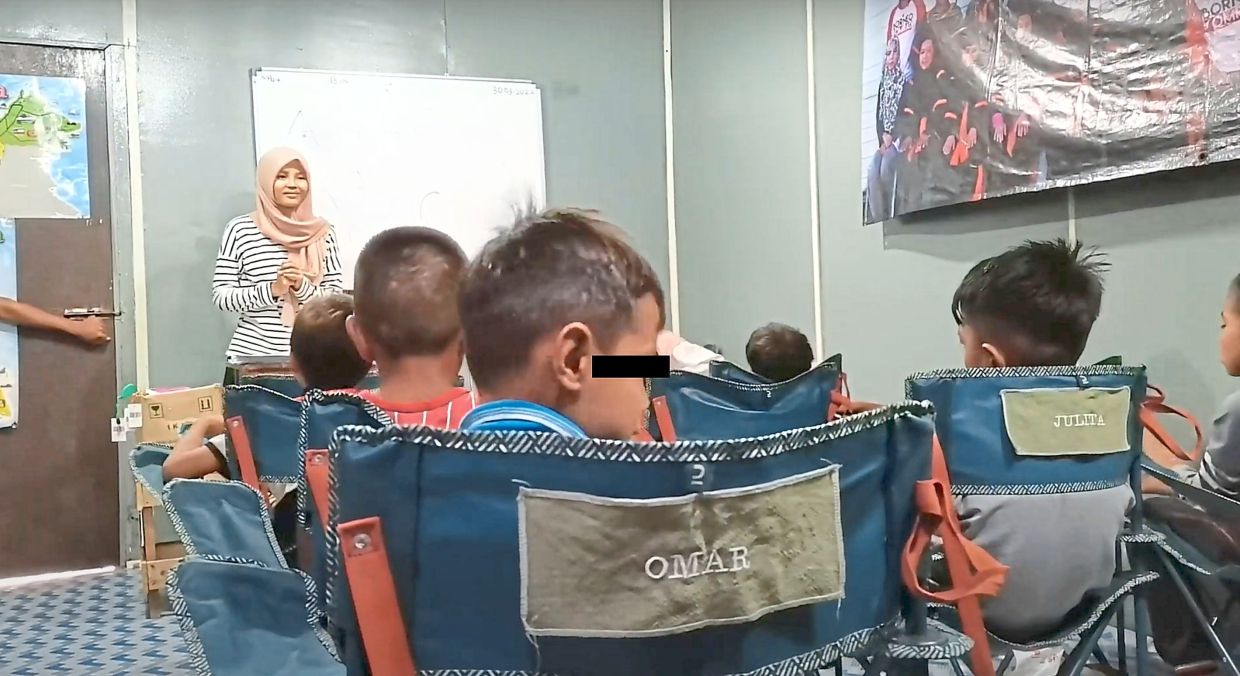
A child born and raised in Malaysia, attending school here, building friendships, and knowing no other home—yet legally denied the right to call this country their own. This troubling scenario has become reality following two recent Court of Appeal rulings on citizenship that have reignited a longstanding debate about whether Malaysian law adequately protects children's fundamental interests.
The cases centred on children born to Malaysian fathers and foreign mothers from Indonesia and the Philippines. Despite DNA evidence confirming biological parentage and the children having grown up entirely in Malaysia after their mothers departed, the court determined that because the parents were not legally married at the time of birth, citizenship should follow the mother's nationality. This interpretation, rooted in the Federal Constitution's provisions on citizenship acquisition, has profound implications for how Malaysia treats its most vulnerable residents.
Under the current constitutional framework, citizenship for children born outside wedlock is determined through maternal lineage rather than paternal. This distinction, while clearly stated in law, reflects assumptions about family structure and social morality that belonged to an earlier era when the Constitution was drafted. Modern DNA testing has rendered questions of biological paternity answerable with near-absolute certainty, yet the law continues to treat acknowledged fatherhood as insufficient grounds for citizenship unless accompanied by marriage. The gap between constitutional text and contemporary reality has never been wider.
Child rights organisations and civil society groups have mounted sustained criticism of this framework, arguing it fundamentally violates principles of protecting children's best interests—a concept increasingly recognised as central to international human rights standards. Development of Human Resources for Rural Areas (DHRRA) has pointed out that Malaysia occupies a stark position globally, being one of only two countries where fathers cannot automatically confer citizenship to their biological children. Most nations have moved beyond such restrictions, recognising that a child's legal status should not hinge on decisions made by adults before their birth.
The practical consequences of statelessness extend far beyond symbolic questions of belonging. Children and adults without citizenship face systematic exclusion from education, healthcare services, and formal employment opportunities. Banking services, driving licenses, property ownership, and stable housing become inaccessible. These barriers push stateless individuals into the margins of society, creating cycles of poverty and vulnerability that span generations. From Malaysia's perspective as a developing economy seeking to harness human potential, such exclusion represents not merely a moral failing but an economic waste.
Historically, societies have drawn distinctions between children born within marriage and those born outside it, with consequences affecting inheritance, legal status, and social standing. However, over recent decades, most countries have abandoned such practices, recognising that children should not bear punishment for adult choices beyond their control. When adults violate laws, the legal system holds them accountable through fines, penalties, or imprisonment. Yet in these citizenship cases, it is the child—the only party with no voice in the decision—who faces lifelong consequences.
The distinction between marriage and citizenship deserves closer examination. Marriage is a voluntary institution reflecting adult choices about social recognition and legal partnership. Citizenship, by contrast, is fundamental to a person's identity and determines their relationship with state institutions from birth. Conflating these two purposes muddles the law's function. While the state has legitimate interest in regulating marriage through its own requirements, extending those conditions to citizenship creates a system where children's fundamental legal status becomes dependent on parental marital choices rather than on genuine connections to a territory and community.
The question that should guide citizenship law is straightforward: Does this child belong here? For children born in Malaysia, growing up with Malaysian parents or guardians, educated in Malaysian schools, and forming their social identities within Malaysian communities, the answer is self-evident. Yet current law requires asking a different question first—were the parents married?—making that procedural fact more consequential than lived reality.
Parliament demonstrated appetite for constitutional reform in 2024 when it amended the Constitution to allow Malaysian mothers to automatically confer citizenship to children born overseas. This change recognised that citizenship law should reflect contemporary gender equality and realistic family structures. That precedent suggests the current situation is not immutable. If Parliament could reform citizenship rules to address gender inequality, it can surely reconsider rules that leave children stateless through no action of their own.
The citizenship question has surfaced repeatedly over the years through various circumstances—foundlings, undocumented births, children in remote indigenous communities where birth registration remains difficult. Each case involves different details, but the common thread persists: children trapped in legal limbo through circumstances entirely beyond their control. These are not isolated anomalies but symptoms of a legal framework struggling to accommodate human reality in its full complexity.
Marriage patterns, migration flows, and cultural practices have changed dramatically since the Constitution's formulation. Adults now frequently form relationships across borders, some resulting in children, some culminating in marriage, others not. Rather than judging such relationships, law should focus on protecting the vulnerable party—the child who had no voice in these decisions. Nationality represents something far more fundamental than a reward for parental behaviour; it is the legal foundation upon which a person can access rights, opportunities, and protection.
The question fundamentally asks whether Malaysia can afford to maintain a system that creates stateless children within its borders. Beyond humanitarian concerns, practical considerations demand attention. A country's strength depends partly on whether young people can access education, formal employment, and legal participation. Excluding children from citizenship based on parental marital status undermines both human potential and social cohesion. The evidence from other nations shows that reforming such provisions does not destabilise citizenship frameworks but rather aligns them with contemporary values and practical realities.
Reform need not be radical. Options range from judicial discretion allowing courts to consider the best interests of children case-by-case, to straightforward constitutional amendment clarifying that biological parentage confirmed through scientific means carries legal weight regardless of marital status. Each approach would require Parliament's involvement, but the precedent for constitutional amendment now exists. The more important question is whether Malaysia's lawmakers will recognise that protecting children's fundamental right to belong is not merely a matter of legal technicality but of national values.

