A destructive wildfire ravaging British Columbia continues to defy containment efforts, though authorities report signs that its rapid advance may be beginning to slow. The blaze has consumed more than 100 square kilometres of the province, a vast swathe of terrain that has rendered homes uninhabitable and forced entire communities to abandon their neighbourhoods. The scale of evacuation has been extraordinary, with more than 20,000 people ordered to leave their homes since the fire's intensity escalated, underscoring the severe threat posed by this natural disaster.
The fire's progression across the landscape reached a critical juncture when its leading edge met Okanagan Lake, a geographical boundary that appears to have disrupted the rate at which the flames consume new territory. This development offers a glimmer of hope to firefighting personnel and residents watching anxiously from evacuation zones, as the lake presents a natural firebreak that slows the fire's forward momentum. Nevertheless, authorities continue to treat the situation with utmost seriousness, recognising that weather conditions could shift dramatically and reignite the threat.
Summerland, a town with approximately 12,000 residents, has emerged as a focal point of emergency response efforts. Firefighters and emergency services have concentrated their protective resources on the town's outlying residential areas, attempting to construct defensive perimeters that might shield homes from advancing flames. The evacuation orders affecting the region have left roughly 10,000 properties vulnerable or at immediate risk, creating an enormous logistics challenge for authorities managing the crisis.
The human toll of the disaster has included harrowing rescue operations, with more than 50 people plucked from the path of the fire by helicopter after becoming trapped by rapidly spreading flames. These dramatic aerial rescues underscore the unpredictable nature of wildfires, which can cut off escape routes with startling speed, leaving residents with no option but to shelter in place and await rescue. Police are currently investigating reports of at least one fatality linked to the fire, though confirmation remains pending.
The Canadian federal government has mobilised resources to address the humanitarian consequences of the evacuation, pledging to provide temporary housing and support services for the displaced residents. Eleanor Olszewski, the Minister of Emergency Management, announced via social media that a formal request for federal assistance from British Columbia had been approved, signalling the centralised coordination of relief efforts across governmental levels. This commitment reflects recognition that the province's own resources are stretched to capacity.
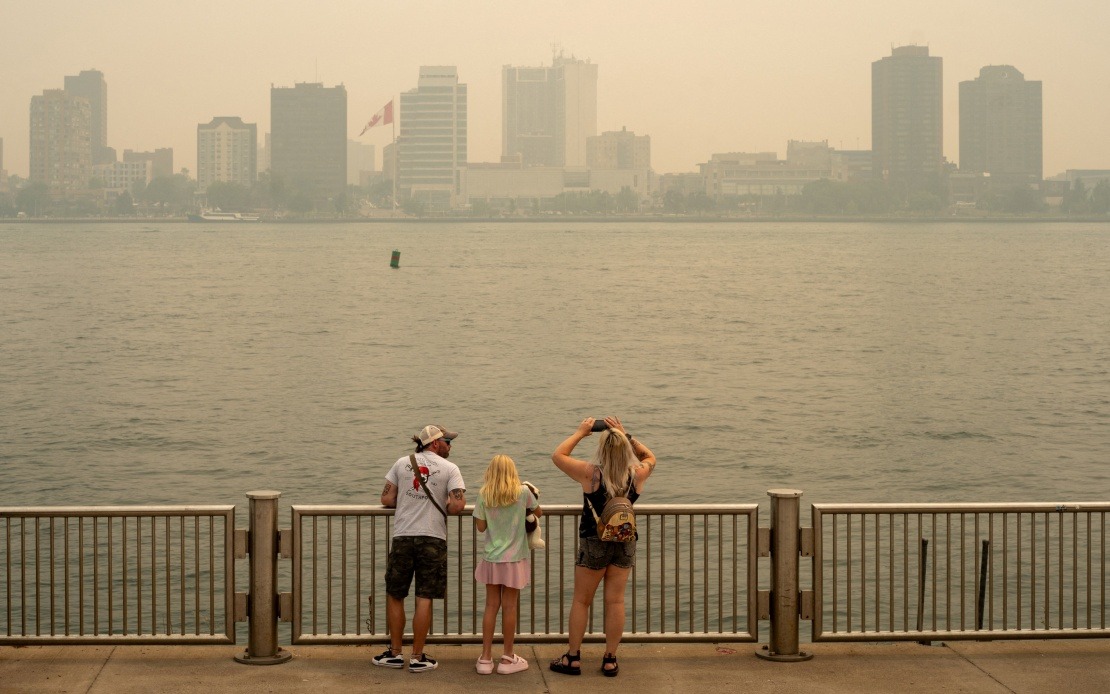
Firefighting operations continue to grapple with meteorological obstacles that complicate every aspect of the response. Persistent hot, dry weather creates ideal conditions for fire propagation, while thick smoke reduces visibility for aircraft coordinating water drops and aerial surveillance. These environmental factors have essentially neutralised several tactical advantages that firefighters might otherwise employ, forcing them to work methodically through conditions that favour the flames over their suppression efforts.
The magnitude of the crisis extends beyond British Columbia's borders through an unprecedented international collaboration. Emergency services have secured reinforcements from Mexico, Australia, and New Zealand, reflecting how modern wildfire disasters activate transnational support networks. Such cooperation demonstrates both the severity of the situation and the willingness of distant nations to contribute expertise and personnel when catastrophic wildfires occur.
British Columbia's provincial government formally declared a state of emergency on Saturday, recognising that conventional fire management protocols would be insufficient to address the scale of simultaneous blazes erupting across the territory. Recent reports indicate that more than 100 wildfires have ignited throughout the province, with nearly half existing beyond the control of firefighting teams. This proliferation of uncontrolled fires creates a cascading emergency where resources become spread impossibly thin across multiple fronts.
The wildfire challenge extends across Canada's broader landscape, with other major provinces experiencing their own severe fire seasons. Ontario and Quebec have both battled extensive wildfires throughout the year, suggesting that climatic patterns across eastern North America are creating conditions unusually favourable to large-scale fire activity. For Malaysian observers, this pattern reflects the global nature of climate-related environmental crises, resonating with Southeast Asia's own annual struggles with transboundary haze caused by Indonesian forest fires.
The situation in British Columbia illustrates vulnerabilities that afflict jurisdictions across the Pacific Rim. When extreme weather combines with landscape conditions to trigger widespread fires, even wealthy, well-resourced developed nations find themselves stretched to manage the human displacement and infrastructure destruction. The international response mobilisation and federal government intervention underscore how modern disaster management increasingly relies on coordinated multilevel governance and cross-border assistance to address catastrophic natural events.

