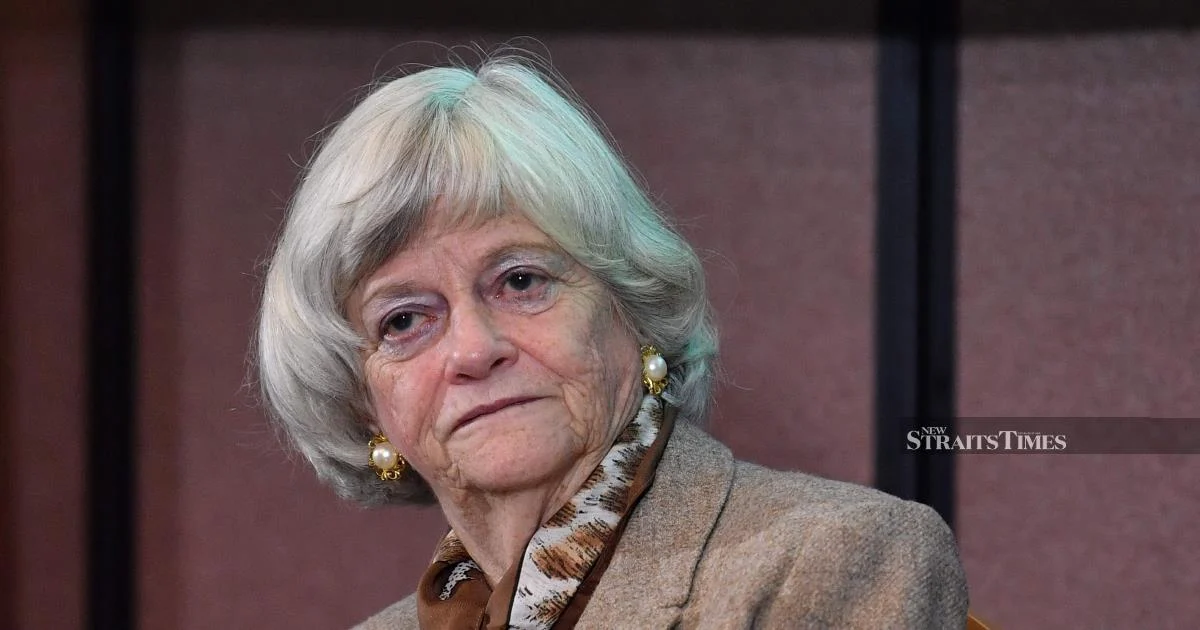
Investigators in the United Kingdom have made a significant breakthrough in what appears to be a high-profile criminal case, with police taking a man into custody on Friday in relation to the death of Ann Widdecombe. The arrest marks a swift investigative response following the discovery of the former government minister's body. Widdecombe, who was 78 years old, had held senior positions during her time in Parliament and later became a visible figure within Reform UK politics. The circumstances surrounding her death have shocked the political establishment and raised concerns about violence against public figures.
Officers responding to reports of an incident found Widdecombe having sustained serious injuries, injuries that police have indicated were not consistent with accidental causes. The discovery prompted an immediate criminal investigation, with detectives treating the matter as a murder inquiry from the outset. The decision to launch a murder investigation rather than pursuing other lines of inquiry reflects the nature and severity of the injuries discovered during the initial police response. For Malaysian readers familiar with the Malaysian political landscape, the development underscores how vulnerable even high-profile political figures can be in any developed nation.
Ann Widdecombe's career spanned multiple decades in British politics, during which she held ministerial appointments and developed a reputation as an outspoken conservative voice. Her later involvement with Reform UK, a populist political movement that has gained prominence in recent British electoral cycles, had kept her visible in contemporary political discourse. The killing of such a recognisable public figure has profound implications for how British society views personal security and the safety of those engaged in civic and political life. The incident also reflects broader questions about political polarisation and the treatment of politicians whose views command strong reactions from various quarters of society.
The arrest of a suspect within hours of the body's discovery suggests police had either received credible information pointing toward a specific individual or that circumstances at the scene provided clear leads for investigators. While British police have provided limited additional details about the suspect or the specific allegations, the swift apprehension indicates a focused investigative effort. The Crown Prosecution Service will determine whether sufficient evidence exists to proceed with formal charges. This procedural pathway is standard in English law, where police investigations must meet evidentiary standards before prosecutors take cases forward.
The death has prompted reflection within Westminster and political circles about the changing nature of threats facing elected representatives and public figures. Incidents involving violence toward politicians have occurred sporadically in British history, though murders remain extremely rare events. The intensity of contemporary political debate and the role of social media in amplifying divisive rhetoric have prompted some observers to consider whether the toxicity of political discourse might be creating environments where violence becomes more likely. Such concerns are not unique to Britain; they resonate across democratic nations, including within Southeast Asia where political tensions occasionally erupt into violence.
For the Reform UK party, which Widdecombe had represented publicly, the loss represents the departure of a familiar and recognisable figure who had contributed to building the party's public profile. Her involvement with the organisation had made her a frequent presence in political discussions and media commentary about the direction of British conservatism and Eurosceptic politics. The party's response to her death will likely include broader statements about protecting political activists and candidates from harm, themes that often emerge following such tragic incidents.
Investigators pursuing the murder inquiry will likely focus on establishing motive, opportunity, and the precise timeline of events leading to Widdecombe's death. The arrest provides law enforcement with a suspect to interrogate and evidence to examine, potentially including forensic materials and witness testimony. The investigation's progression through the British criminal justice system will unfold through preliminary hearings, prosecution submissions, and potentially a trial if charges are pursued. Media coverage throughout this process will likely remain intense, particularly given Widdecombe's public prominence.
From a broader international perspective, the incident highlights how violence can touch even the most secure societies and strike at figures who occupy protected social positions. Malaysia and other Southeast Asian nations, where politicians sometimes face security threats, may find aspects of this case resonant with their own experiences of balancing democratic freedoms with the personal safety of public figures. The British response will demonstrate how established democracies manage such crises, from initial police action through judicial proceedings and eventual verdict and sentencing.
The investigation continues as officers gather evidence and build their case. The suspect remains in custody, and further developments are expected as the inquiry progresses through its various stages. The coming weeks will reveal more details about the circumstances of Widdecombe's death, the identity and background of the arrested individual, and the motives that may have driven the alleged act. For a nation accustomed to relative security and low rates of political violence, the event marks a sobering moment prompting broader societal reflection on safety, security, and the responsibilities of all parties in maintaining civil discourse.

