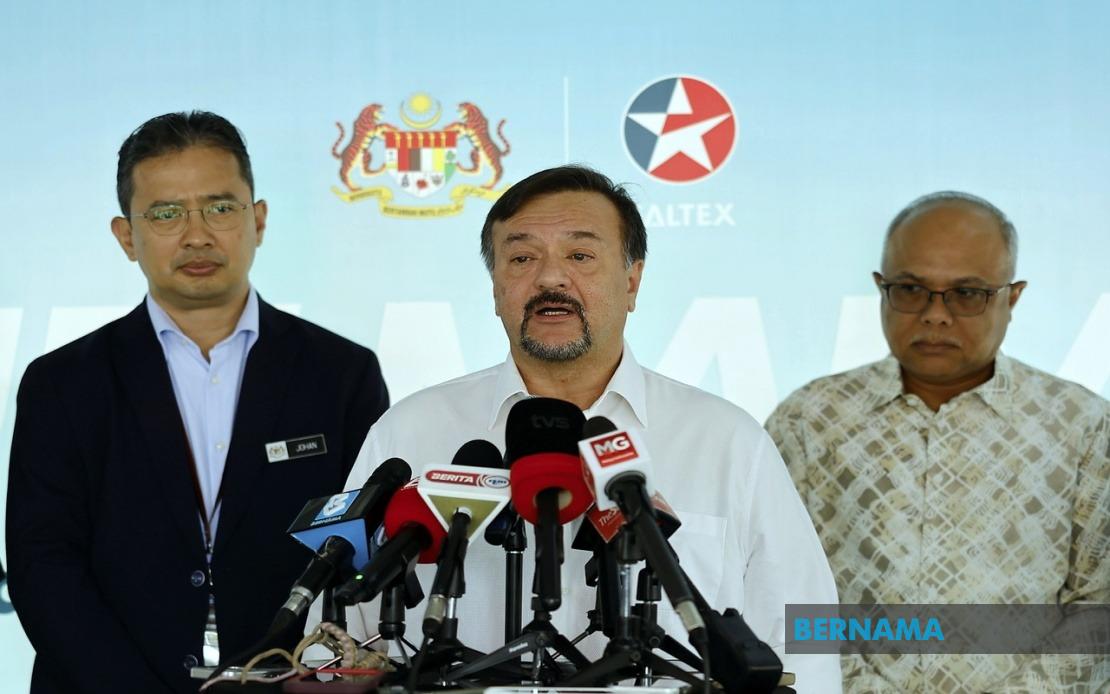
Consultations for Malaysia's 2027 Budget have officially commenced, with the Ministry of Finance coordinating input-gathering sessions across multiple government departments and locations nationwide. Finance Minister II Datuk Seri Amir Hamzah Azizan confirmed the initiative is progressing on schedule, with Parliament expected to receive the budget proposal in October 2027. The systematic engagement approach reflects the government's commitment to incorporating diverse perspectives from stakeholders across various sectors before finalising the fiscal roadmap.
The consultation process underscores the Finance Ministry's collaborative approach to budget formulation. Rather than developing the 2027 Budget in isolation, officials are actively engaging with relevant government bodies to ensure comprehensive input shapes the final proposal. This inclusive methodology aims to align budgetary allocations with the practical needs and recommendations of different agencies, creating a more cohesive and responsive financial framework that addresses real-world implementation challenges.
At the philosophical heart of Budget 2027 remains the MADANI Economy framework, which guides macroeconomic policy direction across Malaysia. This overarching economic model emphasises a dual-pronged strategy: strengthening competitiveness at the top end of the economy whilst simultaneously expanding opportunities and support systems for lower-income segments. The framework represents an attempt to balance growth ambitions with inclusive development, ensuring that economic progress translates into improved living standards across all demographic groups.
Amir Hamzah stressed that the government is maintaining consistency in its economic approach, refusing to abandon core principles despite shifting circumstances. The measured methodology reflects confidence that the existing policy direction remains sound and capable of advancing Malaysia towards developed-nation status by 2030. This long-term vision provides the strategic context within which annual budgets are constructed, ensuring that individual fiscal decisions accumulate toward broader national objectives rather than pursuing ad-hoc spending patterns.
Several recently announced major policy initiatives are reinforcing the budgetary framework. The 13th Malaysia Plan, which outlines medium-term development priorities, provides structural guidance for resource allocation. The National Semiconductor Strategy signals the government's commitment to positioning Malaysia as a critical player in global semiconductor value chains, while the National Energy Transition Roadmap charts Malaysia's path toward cleaner energy systems. These interconnected policy documents create a coherent vision that will inevitably influence where 2027 Budget funds are directed and how fiscal resources support implementation.
The semiconductor strategy reflects Malaysia's recognition that advanced manufacturing and technology sectors offer pathways to higher-value economic activity. By dedicating budgetary resources to semiconductor ecosystem development—including workforce training, infrastructure, and research facilities—the government aims to capture opportunities in a sector where global demand continues expanding. This strategic bet on high-technology manufacturing contrasts with reliance on traditional primary commodity exports, positioning Malaysia for participation in elevated-value production networks.
The energy transition roadmap similarly demonstrates how budgetary decisions increasingly intersect with environmental imperatives. Malaysia's transition toward renewable energy and sustainable industrial practices requires substantial capital investment in infrastructure modernisation, grid upgrades, and technology deployment. Budget 2027 will likely allocate significant resources toward renewable energy projects and emissions reduction initiatives, reflecting both international climate commitments and recognition that energy sustainability directly impacts long-term economic resilience.
For comparative context, Budget 2026 totalled RM419.2 billion, comprising RM338.2 billion for operating expenditure and RM81 billion for development spending. Additionally, the government optimised RM50.8 billion in investments channelled through government-linked investment companies, Federal statutory bodies, and public-private partnership arrangements to advance various initiatives. These figures illustrate the scale of fiscal resources available for policy implementation and suggest that Budget 2027 will operate within a comparable magnitude, though precise allocations depend on economic conditions and revenue performance.
The public sector investment component merits particular attention, as public-private partnerships and government-linked company investments increasingly complement direct government spending in delivering infrastructure and development projects. This hybrid approach leverages private sector expertise and capital whilst maintaining public sector oversight and ensuring alignment with national priorities. For Malaysian readers, this signifies that budgetary impacts extend beyond conventional government expenditure figures to encompass broader ecosystem of state-directed investment activity.
The timing of budget consultations reflects institutional workflows and parliamentary scheduling requirements. Beginning engagement sessions in July for October presentation allows approximately three months for input consolidation, analysis, and refinement before parliamentary submission. This timeline demonstrates how Malaysian budget processes operate according to established rhythms, providing predictability for businesses and households planning their own fiscal year activities.
The emphasis on consistency and maintaining course around the MADANI Economy framework suggests that incremental adjustments rather than radical reorientation characterise Budget 2027. This stability-oriented approach appeals to investors and economic actors requiring predictable policy environments. However, it simultaneously raises questions about whether existing frameworks remain adequately responsive to emerging challenges—from global supply chain disruptions to artificial intelligence-driven technological shifts—that may require more aggressive policy innovation than gradualist adjustments permit.
For Malaysian and Southeast Asian stakeholders, Budget 2027 carries significance beyond domestic considerations. Malaysia's fiscal trajectory influences regional economic dynamics, investment flows, and stability within ASEAN's largest economies. Budgets that effectively balance development ambitions with fiscal sustainability enhance Malaysia's attractiveness to foreign investors and contribute to regional economic confidence. Conversely, budgets perceived as misaligned with real economic conditions risk undermining investor sentiment across the broader region.

