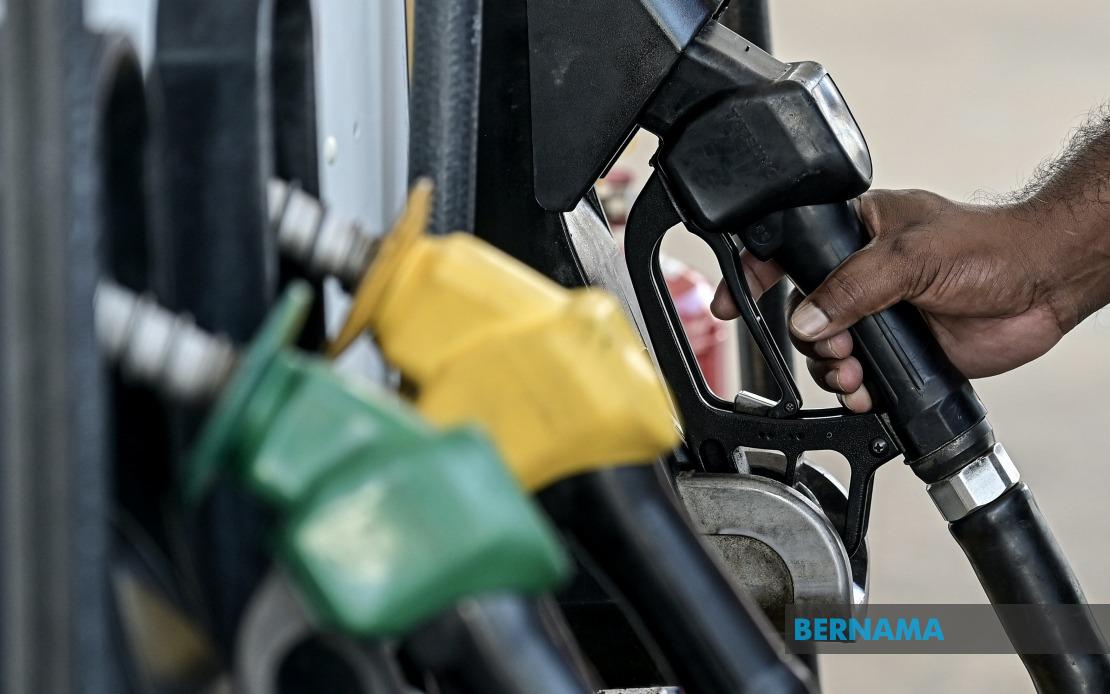
Malaysia's fuel subsidy landscape has undergone a substantial transformation with the rollout of the BUDI MADANI Diesel initiative, which commenced across the nation on July 1 and represents one of the government's most ambitious cost-of-living interventions to date. The expanded scheme will provide subsidised diesel at RM2.10 per litre to approximately 700,000 private vehicle owners nationwide, nearly quadrupling the reach of its predecessor programme and reflecting a renewed commitment to cushioning households from volatile global fuel prices.
The geographic scope of the initiative underscores efforts to ensure equitable access across Malaysia's diverse regions. In Peninsular Malaysia, roughly 400,000 private diesel vehicle owners qualify for the subsidised rate, while a further 300,000 eligible owners in Sabah, Sarawak, and the Federal Territory of Labuan receive the same pricing structure. This represents a dramatic scaling compared to the BUDI Diesel Individu scheme, which provided monthly cash assistance to merely 180,000 recipients in Peninsular Malaysia alone, demonstrating a strategic shift from passive compensation to direct consumption support at point-of-sale.
Beyond private vehicle owners, the initiative encompasses commercial operators who depend heavily on diesel for their livelihoods. Approximately 70,000 commercial and goods transport vehicles in the three eastern jurisdictions now enjoy access to subsidised diesel at RM2.15 per litre through the existing SKDS framework, a modest price differential that reflects the government's differentiated approach based on vehicle category and usage patterns. The programme also extends eligibility to company-registered private pickup trucks and jeeps under specified conditions, acknowledging the role these vehicles play in both smallholder agriculture and micro-enterprise logistics across rural Malaysia.
The Ministry of Finance's rationale for the expansion centres on multiple economic objectives beyond simple price relief. By ensuring eligible citizens avoid full market-rate diesel charges, the government aims to reduce household transportation expenses, preserve the viability of fuel-dependent sectors such as agriculture and logistics, and ultimately sustain broader macroeconomic momentum. The subsidy mechanism thus functions as targeted fiscal stimulus with downstream effects across supply chains, making it particularly relevant for Southeast Asian economies where transport costs significantly influence inflation dynamics.
Early implementation data provides encouraging signals about operational readiness and public uptake. Between the Peninsular Malaysia pilot launch on June 27 and noon on June 30, approximately 80,000 transactions were recorded, collectively consuming 3.2 million litres of subsidised diesel valued at nearly RM7 million at the RM2.15 rate during the early access phase. The integration of MyKad verification systems at petrol stations functioned without major disruptions, suggesting that the technological infrastructure required to authenticate eligible beneficiaries has been adequately tested and deployed.
Administrative flexibility has been built into the scheme to accommodate real-world circumstances surrounding vehicle ownership. The Ministry introduced a mechanism permitting initial beneficiaries to transfer their diesel subsidy eligibility to immediate family members—spouses, parents, children, or siblings—who may be the actual vehicle operators despite not appearing on registration documents. This addresses a common situation in Malaysian households where one family member owns vehicles legally while others handle day-to-day driving responsibilities. By June 30, nearly 1,000 such transfer applications had been processed, indicating substantial demand for this flexibility measure. Once approved, the designated recipient can utilise their own MyKad to purchase subsidised diesel up to the original owner's allocated monthly quota.
For individuals seeking to formalise vehicle ownership changes, the government introduced a temporary three-month exemption from ownership transfer fees up to RM100, effective from July 1. This financial concession, combined with extended Road Transport Department operating hours on weekends from July 4 through July 26 at all state JPJ offices and UTC branches, removes procedural friction that might otherwise discourage individuals from regularising vehicle registrations. The synchronisation of these administrative measures with the fuel subsidy launch demonstrates coordinated effort to simplify compliance pathways for beneficiaries.
The pickup and jeep owner segment faces a slightly different implementation process. Eligible owners of company-registered vehicles in these categories may apply for an additional 100 litres of diesel monthly through the BUDI MADANI portal, subject to terms yet to be publicly detailed. By 9 am on June 30, more than 22,000 applications had been submitted via the portal, suggesting robust awareness and engagement among this vehicle-owning cohort despite the programme's recent launch.
For Malaysian readers weighing the implications of this initiative, several dimensions merit consideration. The subsidy directly reduces transportation costs for hundreds of thousands of households reliant on diesel vehicles, potentially freeing discretionary income for other consumption and investment. For small business operators and agricultural producers dependent on transport, the price support improves operational margins and competitiveness. Conversely, the fiscal cost of maintaining this subsidy at scale—funding roughly 700,000 private vehicles plus 70,000 commercial units—represents a substantial government commitment at a time when revenue pressures persist across Southeast Asian administrations managing post-pandemic economic transitions.
The regional context amplifies the programme's significance. Fuel price volatility affects Malaysia alongside its ASEAN neighbours, and the government's willingness to absorb price differentials through subsidies contrasts with several regional peers pursuing gradual price deregulation. This choice reflects political economy calculations about electoral preferences and social stability, factors that resonate across Southeast Asia's diverse governance contexts. For petrol station operators and fuel distribution networks, the subsidy creates administrative complexity through verification requirements while potentially stabilising transaction volumes.
Moving forward, the sustainability of this programme hinges on global crude prices and the government's fiscal trajectory. Should international diesel prices surge significantly, subsidy costs could escalate rapidly, potentially constraining public investment in other development priorities. Conversely, sustained moderation in global energy prices could reduce fiscal pressures, making the initiative more manageable within regular budget allocations. The Ministry's emphasis on reviewing eligibility status and monthly quotas via official channels suggests an intention to monitor and potentially adjust programme parameters as circumstances evolve.
The broader messaging from this expansion reflects a recalibration of social support priorities toward direct consumption assistance rather than cash transfers or vouchers. This approach aligns with global trends toward more targeted, efficiently delivered welfare mechanisms while accepting higher administrative overhead. For the Malaysian economy, the initiative represents a deliberate trade-off between maintaining household purchasing power and investing in structural economic transformation, a tension that will likely shape fiscal policy debates throughout the coming fiscal year.

