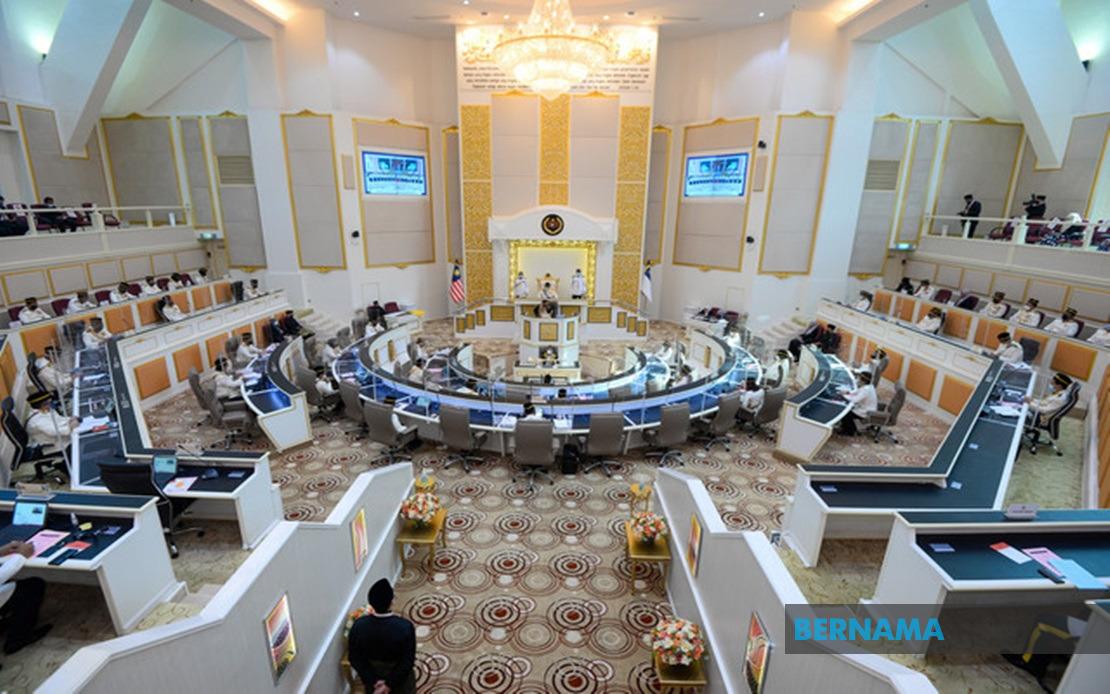
Melaka state officials have signalled that funding approval for a new Type 3 health clinic in the Bukit Rambai area will likely come when Parliament debates the 2027 Budget later this October. The announcement offers residents clarity on a healthcare expansion proposal that has been advancing through the federal planning system for some time, with site preparation already complete for the facility which will be constructed opposite the existing Bukit Rambai Health Clinic.
Datuk Ngwe Hee Sem, who chairs the State Health, Human Resources and Unity Committee, disclosed the timeline during a session of the Melaka state assembly. The proposal has been formally submitted to the Ministry of Economy as part of Rolling Plan 2 within the broader framework of Malaysia's 13th Malaysia Plan, signalling the project's integration into medium-term national development priorities. This positioning within the 13MP suggests the initiative aligns with government healthcare infrastructure modernisation strategies across the country.
The anticipated three-year construction period means that if budget approval arrives as expected in October 2024, the clinic could begin operations around 2027. For the Bukit Rambai community and surrounding residential areas, this represents a substantial upgrade to localised healthcare capacity, addressing long-standing gaps in service availability that have contributed to patient congestion at existing facilities.
The proposed clinic will introduce radiology services, including X-ray capabilities, which currently either require patient referral to larger hospitals or are unavailable at the community level. Dental care will be significantly expanded through the addition of five dedicated chairs, a considerable jump from current provision. These services directly address common bottlenecks in Malaysian primary healthcare delivery, where residents frequently must travel to district or state hospitals for diagnostic imaging or specialist dental treatment.
Beyond basic medical care, the new facility will offer nutrition and dietetics counselling, services increasingly recognised as essential components of preventive health management in Malaysia's context of rising non-communicable disease prevalence. Optometry services will reduce the need for separate referrals for eye care, while physiotherapy and occupational therapy will support post-operative rehabilitation and musculoskeletal injury management within the community setting rather than forcing patients into hospital queues.
Speech therapy and counselling psychology represent less common additions to typical Malaysian health clinics, reflecting evolving understanding of mental health and developmental care integration into primary settings. Medical social work services will facilitate connections between patients and social support systems, addressing the non-medical determinants of health that often complicate treatment outcomes in less affluent communities.
The expansion promises to strengthen critical maternal and child health services, a priority area across Malaysia given demographic patterns and the importance of early intervention in child development. Enhanced laboratory facilities will enable routine testing without external referral, while pharmaceutical services will be better resourced. Health promotion activities and school health programmes can be mounted more effectively with dedicated space and staffing.
For Melaka specifically, the project represents targeted investment in the broader Bukit Rambai corridor, which has experienced residential growth over the past decade. Population expansion in this area has strained existing clinic capacity, and official acknowledgement of this pressure through infrastructure planning carries political significance for both state and federal government credibility. The decision to house this clinic adjacent to the current facility allows for operational continuity while construction proceeds, a practical consideration often overlooked in healthcare planning announcements.
The comprehensive service array planned reflects international best practice in primary healthcare centre design, moving beyond the traditional model of general medicine consultations toward integrated, multidisciplinary care delivery at the community level. This approach theoretically reduces patient journeys through the healthcare system and improves chronic disease management outcomes, particularly valuable in managing the burden of hypertension, diabetes, and mental health conditions prevalent across Malaysian populations.
Statewide, this investment signals Melaka's commitment to decentralised healthcare delivery away from Melaka Hospital and district centres. Similar clinic upgrades across other states suggest a coordinated national effort to redistribute healthcare resources more equitably, though funding pressures and competing demands for limited budget allocations mean many such proposals remain in planning stages for extended periods.
The reference to Rolling Plan 2 within the 13MP indicates the project has cleared preliminary assessment hurdles and gained recognition within national development frameworks. This provides reasonable confidence that budget tabling will proceed, though final allocations depend on overall fiscal conditions and competing national priorities. Parliamentary approval in October would represent a significant milestone, transforming the proposal from planning document to funded development commitment.
For Malaysian health policy observers, the Bukit Rambai proposal exemplifies the gradual shift toward primary healthcare strengthening that has characterised recent policy direction, particularly following recommendations from post-pandemic health system reviews. The emphasis on comprehensive community clinic capabilities reflects lessons learned about reducing hospital congestion and enabling earlier intervention in disease progression.

