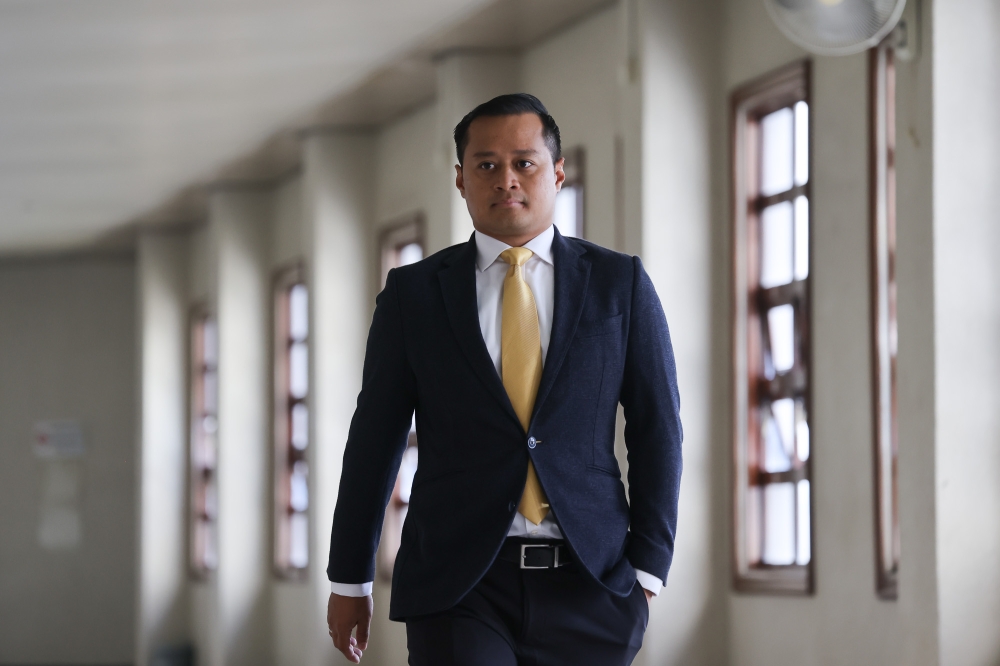
A Malaysian businessman revealed during Tan Sri Muhyiddin Yassin's High Court proceedings that he learned only recently of his elder brother's substantial donation of company funds to the Bersatu party, a disclosure that highlights the complex web of corporate finances and political contributions under scrutiny in the former prime minister's case. The testimony, delivered by Shahrin Shamsuddin, introduces an element of apparent family dynamics and trust issues surrounding the movement of large sums of money that court observers suggest may complicate the prosecution's narrative around the source and legitimacy of political party funding.
Shahrin's account represents a significant development in the trial, as it underscores how major financial transactions involving political parties can occur with limited oversight or awareness among business partners and shareholders. The involvement of family relationships in facilitating fund transfers to political organisations is a dimension that Malaysian courts increasingly examine when assessing whether proper corporate governance procedures were followed and whether all stakeholders were adequately informed before monies left company treasuries. For readers in Southeast Asia's corporate and political circles, the case exemplifies broader concerns about the intersection of family business networks and political financing mechanisms that frequently operate with minimal transparency.
The RM13.7 million figure represents a substantial sum in the context of Malaysian corporate donations, and its transfer without apparent consultation with a co-owner raises questions about internal decision-making processes within the business entity involved. Such large movements of capital typically signal either exceptional circumstances within the company or, alternatively, deliberate circumvention of standard approval mechanisms that would normally require consensus among principals. Shahrin's testimony suggests that he had no prior awareness of his brother's intentions, implying that conventional channels for such major financial commitments were either bypassed or inadequately enforced within the corporate structure.
The Muhyiddin trial has become a focal point for examining how Malaysian political parties raise and manage funds, particularly during leadership transitions and periods of significant organisational activity. Bersatu, which emerged as a significant political force in recent Malaysian politics, has faced ongoing scrutiny regarding its financing arrangements and donor base. The introduction of evidence about undisclosed family-level donations adds another layer to the prosecution's case against the former Prime Minister and invites closer examination of the party's fundraising practices during the period in question.
For Malaysian political observers, the case underscores persistent vulnerabilities in the country's corporate governance and political finance transparency frameworks. While Malaysia has implemented various regulations governing political party financing and corporate conduct, the testimony reveals that enforcement and awareness of such rules may remain inconsistent, particularly when transactions involve family members operating within private business structures. The ability of one shareholder to commit substantial corporate resources without the knowledge or consent of others suggests that internal controls at certain Malaysian companies may require strengthening.
The brother's decision to donate the company funds to Bersatu without informing Shahrin raises several legal and ethical considerations that Malaysian courts will likely explore further as the trial progresses. Questions about the propriety of using company money for political purposes, the extent to which such donations represent the considered position of the entire shareholding body, and whether adequate disclosure occurred at the corporate level all feature prominently in contemporary discussions about Malaysian business standards and political ethics. The revelation that a co-owner was unaware of the transaction potentially undermines claims that the donation reflected legitimate corporate strategy or shareholder consensus.
In the broader Malaysian context, the trial reflects a judicial system increasingly willing to examine the mechanics of political financing and the behaviour of high-profile political figures with considerable scrutiny. The decision to call witnesses such as Shahrin and to pursue detailed testimony about specific financial transactions demonstrates a commitment to establishing comprehensive factual records about how money flows into and through political organisations. This approach contrasts with historical practices in Malaysia where such matters sometimes received cursory treatment or remained below public view.
The case also highlights the risks that arise when business and political interests become intertwined through family connections and informal arrangements. Shahrin's testimony reveals how the absence of clear written agreements or formal approval processes can create situations where substantial assets are transferred based on the unilateral decisions of individual family members. For Malaysian business practitioners and corporate governance specialists, the trial serves as a cautionary example of why explicit shareholder agreements and documented approval procedures remain essential, particularly when companies operate in politically sensitive contexts or maintain connections to prominent political figures.
Observers note that the trial carries implications extending beyond Muhyiddin's individual case, as it contributes to broader conversations within Malaysia about how political parties should be financed, who should be permitted to donate funds, and what disclosure requirements ought to apply. The testimony suggests that some donors and intermediaries may operate with limited awareness of regulatory frameworks or may deliberately structure transactions in ways designed to minimise transparency. Moving forward, Malaysian policymakers may face pressure to establish clearer rules governing corporate political donations and to create mechanisms ensuring that all relevant stakeholders within donating companies understand and approve such commitments before they occur.

