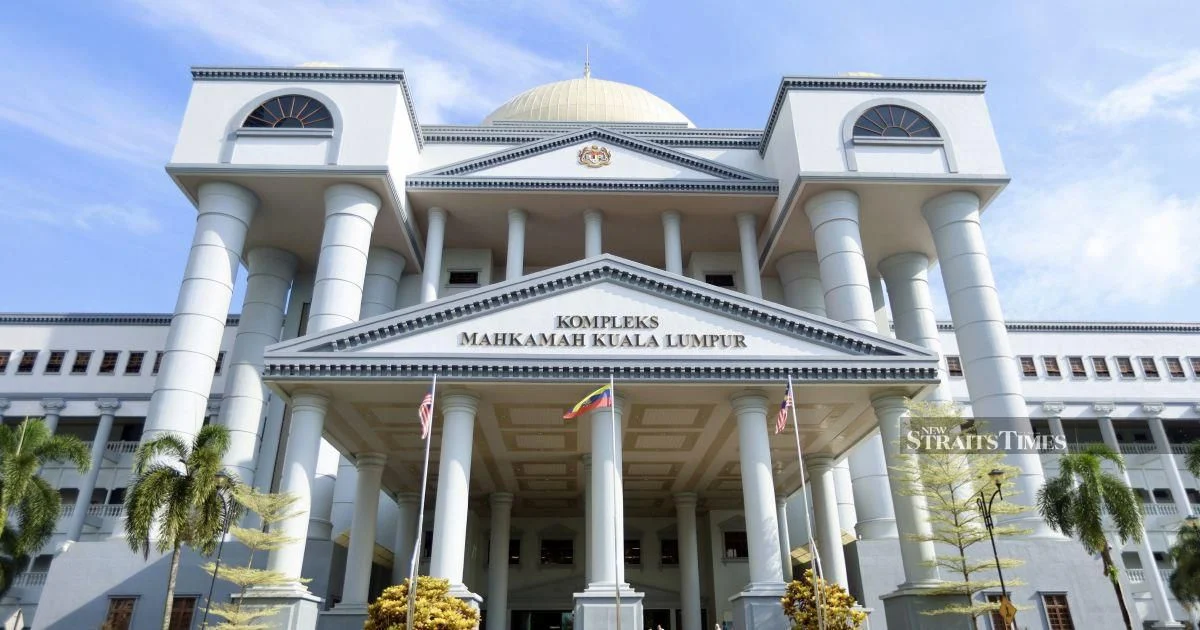
Businesswoman Sofia Rini Buyong is scheduled to appear before the Kuala Lumpur magistrate's court tomorrow to face criminal defamation charges in connection with remarks she reportedly made. The case marks another instance in Malaysia's continuing legal battles over defamatory statements, reflecting the country's commitment to protecting individuals and organisations against false or injurious claims.
Defamation cases in Malaysia remain a significant area of legal contention, with both civil and criminal remedies available to those who believe their reputation has been damaged through false statements. The criminal defamation route, which this case appears to pursue, carries potential imprisonment and fines, making it a more severe avenue than civil litigation. Such prosecutions underscore the importance Malaysian courts place on maintaining public order and protecting personal and corporate reputation.
The circumstances leading to the charge remain under scrutiny as the legal process unfolds. Defamation allegations often hinge on whether statements made were factually accurate, constitutive of fair comment, or matters of public interest. Malaysian courts must balance free speech considerations against the right to protection from malicious falsehoods, a tension that frequently surfaces in high-profile cases involving public figures and business personalities.
Sofia Rini Buyong's appearance tomorrow will be closely observed by those monitoring defamation jurisprudence in Malaysia. The business community, in particular, maintains keen interest in how such cases are adjudicated, as the outcomes can influence corporate communication practices and the boundaries of acceptable commentary in professional and public discourse. Legal practitioners note that the threshold for criminal defamation is considerably higher than civil defamation, requiring proof of intent to harm or knowledge of falsity.
The charge comes at a time when Malaysia continues to grapple with questions about free expression versus protection of reputation. Digital platforms and social media have amplified the stakes of such disputes, as statements can circulate rapidly and reach vast audiences within minutes. This evolution has prompted discussions about whether existing defamation frameworks remain adequate or require updating to address contemporary communication challenges.
Magistrate's courts in Kuala Lumpur handle preliminary proceedings in defamation cases, determining whether sufficient evidence exists to warrant trial in higher courts. Tomorrow's appearance will likely involve submission of evidence by the prosecution, potentially followed by the defence's response. The magistrate must then decide whether to commit the case for trial or dismiss the charge if evidence is deemed insufficient.
For Sofia Rini Buyong, the upcoming court date represents a critical juncture in what may become a protracted legal proceeding. Defamation cases frequently consume considerable time and resources, often lasting months or years from initial charge to final determination. The personal and professional ramifications of such proceedings extend beyond the courtroom, affecting reputation, business relationships, and public standing.
The case also reflects broader patterns in Malaysian litigation, where business disputes sometimes escalate into criminal defamation complaints. Distinguishing between legitimate business criticism and malicious falsehood presents ongoing challenges for the judiciary. Courts must carefully examine whether statements constitute protected opinion, honest criticism, or actionable defamation—distinctions that require careful legal analysis and factual findings.
As the defamation case proceeds through the Malaysian legal system, observers will monitor how courts apply existing statutes and case law to contemporary circumstances. The outcome may provide guidance on permissible speech boundaries within business contexts and inform future decisions by entrepreneurs, commentators, and media organisations regarding what can be safely published about public figures and established businesses.

