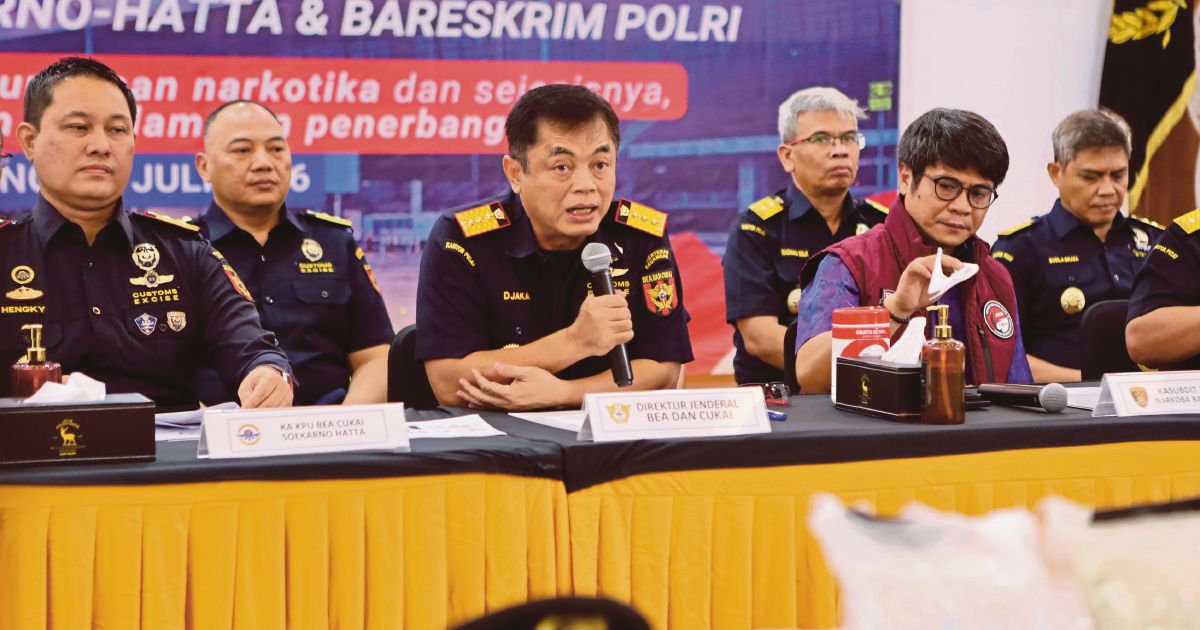
The Civil Aviation Authority of Malaysia (CAAM) has begun a formal investigation into whether comprehensive aviation security procedures were properly implemented following the arrest of a Malaysia Airlines pilot in Jakarta on suspected drug smuggling charges. The incident has triggered scrutiny of the nation's flight crew vetting and security protocols at a time when Malaysia's aviation sector is working to restore international confidence following previous safety concerns.
The investigation represents a significant undertaking for CAAM, which oversees all civil aviation activities within Malaysian airspace and jurisdiction. The regulator must now examine multiple layers of security procedures that should have been in place, from pre-flight screening to crew background checks and monitoring systems. This probe comes at a sensitive moment for Malaysia Airlines, which has been rebuilding its reputation and operational standards over the past decade.
Aircraft security and crew integrity are foundational to passenger safety and public trust in commercial aviation. The incident underscores how individual breaches can compromise entire systems and raise questions about the effectiveness of existing safeguards. For Malaysian aviation authorities, the challenge involves not only identifying gaps in current procedures but also determining whether personnel involved in implementing security measures followed established protocols consistently.
The circumstances surrounding the pilot's arrest in Jakarta suggest that security lapses may have occurred at multiple checkpoints. Typically, commercial airline pilots undergo thorough background checks, medical evaluations, and regular security clearances before operating aircraft. The fact that alleged drug smuggling activity reached the point of arrest overseas raises concerns about whether screening mechanisms adequately detected warning signs or behavioural indicators.
CAAM's investigation will likely focus on several critical areas: the effectiveness of pre-employment vetting procedures, the adequacy of ongoing crew monitoring systems, the implementation of anti-smuggling protocols for airline personnel, and coordination between Malaysian authorities and international partners. The regulator must also assess whether existing policies were followed in this instance or whether procedural failures occurred. This distinction is crucial, as it determines whether the problem is systemic or isolated.
For Malaysia Airlines specifically, the incident creates additional operational and reputational challenges. The carrier has undergone significant restructuring and implemented enhanced safety measures following previous crises. An internal security breach involving a pilot threatens to undermine confidence in these improvements and raises questions about crew discipline and accountability within the airline's operations. Management will face pressure to demonstrate swift remedial action and reinforced oversight.
The broader implications extend beyond a single airline or incident. Malaysia's aviation sector competes internationally, and safety and security perceptions directly affect the industry's competitiveness. Airlines operating from Malaysia, tourists considering regional travel, and international partners all monitor how authorities respond to such challenges. A transparent, thorough investigation signals commitment to maintaining world-class standards, while inadequate responses could reinforce negative perceptions.
International cooperation becomes essential in cases involving arrests in foreign jurisdictions. CAAM will need to coordinate with Indonesian authorities, Interpol, and potentially other agencies to understand the full scope of alleged activities. Information sharing about the circumstances, timing, and nature of the smuggling allegations will inform whether the breach occurred during duty cycles, during personal time, or through systematic exploitation of aviation access.
The investigation may also prompt CAAM to review whether current crew vetting extends to financial status, personal conduct monitoring, and psychological assessments. Substance abuse and smuggling activities often correlate with personal financial distress or addiction issues. Modern security frameworks increasingly incorporate behavioural indicators and wellness monitoring to identify personnel at elevated risk of engaging in illegal activities.
Malaysia's regulatory response will be scrutinised by international aviation bodies, including ICAO (International Civil Aviation Organization), which sets global safety and security standards. A comprehensive investigation and decisive corrective action will reassure international aviation partners and passengers that Malaysia takes security violations seriously. Conversely, perceived inaction or inadequate responses could lead to external scrutiny or recommendations for enhanced oversight.
For Malaysian authorities, this incident reinforces the reality that aviation security depends on multiple institutional layers working in concert. No single checkpoint or screening mechanism can be entirely foolproof. The effectiveness of security systems depends on training, resource allocation, consistent implementation, and regular auditing of procedures. CAAM's investigation must identify not only what went wrong but why, and whether systemic improvements are necessary across the aviation sector.
The investigation's findings will likely result in recommendations affecting crew management practices across Malaysian aviation. Airlines may face requirements for enhanced psychological profiling, mandatory regular security refresher training, or expanded monitoring protocols. These measures, while potentially unpopular with crew unions, reflect industry best practices internationally and are increasingly considered essential components of modern aviation security.

