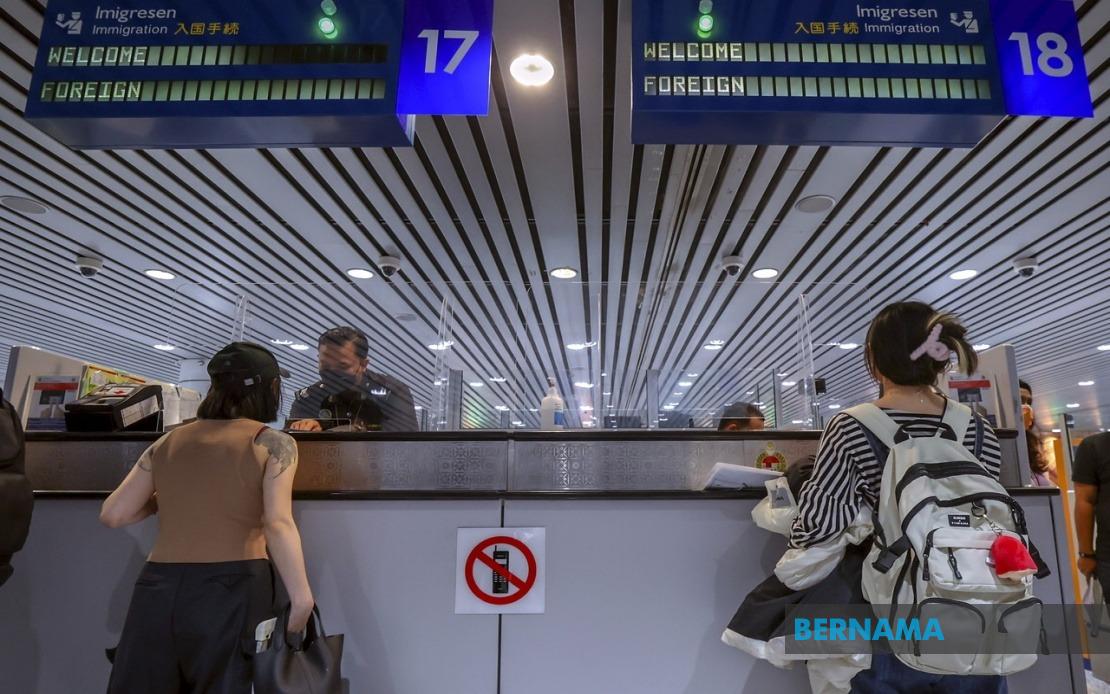
Malaysia's cabinet has approved an extensive 17-point security strengthening programme targeting the Kuala Lumpur International Airport and the nation's other international entry points, marking a significant response to mounting concerns about border control integrity. The Home Ministry and Ministry of Transport jointly presented the initiative at yesterday's cabinet meeting, signalling high-level commitment to reversing the damage caused by recent high-profile security lapses that have dented public and international confidence in Malaysia's aviation gatekeeping capabilities.
The comprehensive framework spans multiple timeframes, reflecting the complexity of fortifying border security across numerous touch points. The immediate phase concentrates on six quick-win initiatives designed to yield rapid improvements without requiring extensive infrastructure overhaul. Medium-term efforts focus on technological advancement and human resource development, whilst the long-term vision encompasses systemic transformation, inter-agency intelligence sharing and governance enhancement that will eventually extend across all international entry points according to their individual threat profiles and operational contexts.
At the forefront of the emergency measures stands enhanced risk-based screening targeting flights, passengers, crew members and baggage flagged through intelligence and profiling systems. This departure from blanket approaches signals recognition that modern security demands smarter resource allocation. Concurrently, the e-vetting and access control framework seeks to impose stricter scrutiny over aviation workers—pilots, cabin staff, ground handlers, airport employees, contractors and vendors—who traverse secure zones, a vulnerability that recent incidents have exposed.
Drug testing requirements for flight personnel represent another critical immediate intervention, mandating pre-employment assessments, periodic checks and random screening for pilots, cabin crew and associated staff. This directly addresses the embarrassing case of a Malaysian pilot apprehended at Indonesia's Soekarno-Hatta International Airport carrying approximately 25 kilogrammes of MDMA, an incident that crystallised the dangers of inadequate vetting and ongoing monitoring of aviation employees with privileged access.
The government also commits to increasing visible security presence, strengthening information-sharing protocols between agencies, and establishing a dedicated Home Ministry-Transport Ministry technical committee to oversee execution. These structural interventions acknowledge that security depends fundamentally on human vigilance, institutional coordination and dedicated oversight rather than technology alone. The committee model ensures sustained high-level attention rather than allowing momentum to dissipate after initial announcements.
The decision to roll out the programme first at KLIA before expanding nationally reflects practical sequencing—Malaysia's premier international gateway requires immediate remediation and serves as a proving ground for procedures before wider deployment. Expansion to other entry points will proceed calibrated to individual risk assessments, operational feasibility and geographic appropriateness, avoiding one-size-fits-all impositions that might prove counterproductive at smaller, less complex facilities.
The triggering incidents that forced this comprehensive review extend beyond the pilot case, encompassing a Malaysian detained in Indonesia on drug smuggling allegations and other unspecified security breaches that collectively indicated systemic vulnerabilities rather than isolated lapses. For Malaysia, a nation whose tourism and aviation sectors depend significantly on international trust, such revelations carry substantial economic ramifications beyond immediate security concerns. Potential passenger anxiety and tighter scrutiny from international carriers and regulators could translate to operational costs and reputational damage requiring sustained corrective action to reverse.
The ministries emphasise that implementation will proceed professionally and lawfully, balancing security imperatives with individual rights protection, data privacy considerations and the interests of passengers and aviation stakeholders. This measured language attempts to forestall criticism from civil liberties advocates and commercial operators worried about excessive intrusion or competitive disadvantage. However, the practical tension between security tightening and operational efficiency remains, particularly regarding enhanced screening's potential to extend passenger processing times and increase airline compliance costs.
The programme's design incorporates both technological and human dimensions, recognising that screening and risk management depend on capable personnel equipped with modern tools. The medium-term emphasis on asset development and training infrastructure suggests recognition that Malaysia's security apparatus requires strengthening beyond procedures alone. Investment in personnel capabilities and technology platforms distinguishes this from purely regulatory adjustments and indicates serious resource commitment.
For Malaysia's position in regional and global aviation networks, this initiative signals to international partners and regulatory bodies that the government takes border security seriously and responds decisively to breaches. This matters considerably for Malaysia's standing within ASEAN and broader international aviation governance, where security standards directly influence bilateral relationships and passenger confidence. The failure to prevent a pilot smuggling significant drug quantities carries diplomatic implications alongside operational ones.
Government spokesman Datuk Seri Fahmi Fadzil's statement about cabinet approval for comprehensive immediate action represented the MADANI administration's effort to demonstrate decisive governance in response to public concern. The framing emphasises protecting national security, enhancing international gateway integrity and preserving confidence among citizens, tourists and the global aviation community—a broad coalition whose support remains essential for Malaysia's aviation sector competitiveness and security standing.
Implementation success will ultimately depend on sustained commitment beyond the announcement phase, adequate resourcing of the technical committee, and genuine inter-agency cooperation often complicated by bureaucratic silos and competing priorities. The phased approach allows flexibility and learning, yet risks extending timelines and potentially leaving gaps during transition periods. Monitoring progress and publishing periodic updates would strengthen accountability and demonstrate consistent prioritisation of what remains an urgent vulnerability requiring comprehensive, sustained remediation across Malaysia's international boundaries.

