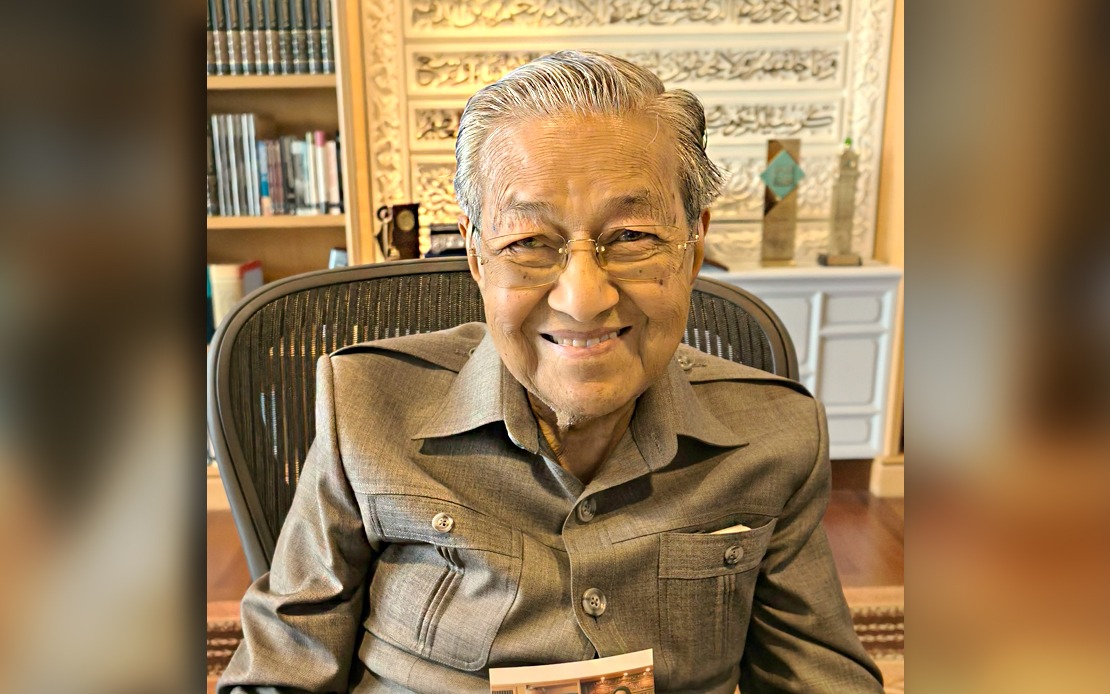
Members of the current Cabinet have publicly celebrated the 101st birthday of Tun Dr Mahathir Mohamad, the nation's longest-serving Prime Minister, with heartfelt messages wishing him good health and sustained blessings. The gestures underscore the respect accorded to the elder statesman across Malaysia's political establishment, even as his legacy remains a subject of considerable debate within the country's governance and policy circles.
Communications Minister Datuk Fahmi Fadzil took to social media to convey his greetings, expressing hope that the former leader would enjoy continued vitality, joy, and divine favour. His publicly shared remarks highlighted the significance of reaching such an advanced age, framing the milestone as both remarkable and worthy of national acknowledgement. The minister's message reflected a broader tradition in Malaysian political culture of honouring senior figures who have played consequential roles in the nation's development.
Among other senior government officials extending birthday wishes were Datuk Seri Azalina Othman Said, who serves as Minister in the Prime Minister's Department with responsibility for Law and Institutional Reform, and Datuk Seri Dr Zambry Abd Kadir, the Higher Education Minister. Both expressed similar sentiments, praying that Dr Mahathir would be granted enduring health and continue to receive divine protection and blessings. Such coordinated acknowledgements from multiple members of the cabinet suggest an institutional recognition of his historical importance to Malaysia, regardless of contemporary political disagreements.
Born on July 10, 1925, in Alor Setar, Kedah, Dr Mahathir has witnessed and shaped most of independent Malaysia's modern history. His initial tenure as Prime Minister spanned from 1981 to 2003, during which he oversaw two decades of substantial economic transformation, infrastructure development, and industrial expansion. His leadership during this period fundamentally reshaped Malaysia's global positioning and domestic economic structure, establishing many institutions and policies that persist today.
Perhaps more remarkably, Dr Mahathir returned to the Prime Minister's office in 2018 at the age of 92, serving until 2020. This remarkable return to frontline politics at such an advanced age garnered international attention and established him as the world's oldest sitting prime minister at that time. His comeback reflected both his enduring political influence and the unusual circumstances of Malaysian politics during that period, as he led a coalition government formed to address perceived governance concerns.
The longevity of his public life—spanning more than seven decades of active political engagement—makes him a singular figure in Malaysian democracy. Observers of Malaysian politics often note that Dr Mahathir's tenure fundamentally altered the relationship between government, business, and civil society in ways that continue to shape contemporary debates. His policies regarding Bumiputera economics, the construction of mega-projects such as the Petronas Twin Towers, and his firm approach to public order remain subjects of analysis and discussion among policymakers and academics.
Dr Mahathir's extended career also reflects broader patterns in Malaysian governance, where senior political figures often remain influential well into advanced age. Unlike many democracies where formal retirement ages constrain continued service, Malaysia's political system has historically allowed veteran politicians to maintain roles if they retain sufficient political support and energy. His longevity therefore illuminates both cultural attitudes toward seniority and the flexible nature of Malaysia's constitutional arrangements regarding age limits for high office.
The public celebrations of his birthday also occur against a backdrop of ongoing national conversation about his legacy. Supporters credit his administration with modernising Malaysia and positioning it as a significant regional economic power, pointing to improvements in infrastructure, education, and manufacturing capacity. Critics, meanwhile, highlight concerns about democratic institutions, media freedom, and governance practices during his tenure. This complexity means that honouring Dr Mahathir as an individual milestone involves navigating these substantive political and historical differences.
From a regional perspective, Dr Mahathir's prominence and longevity have given him visibility throughout Southeast Asia. His views on regional cooperation, bilateral relationships, and international affairs have periodically influenced Malaysia's diplomatic posture. The celebration of his birthday by current government figures thus carries implications beyond domestic politics, signalling Malaysia's institutional respect for experienced leaders and the continuity of governance traditions across political transitions.
The birthday messages from current ministers also reflect an important aspect of Malaysian political culture: the capacity to acknowledge historical figures' contributions while maintaining separate positions on contemporary issues. This distinction between personal respect and political disagreement characterises much of Malaysia's political discourse, allowing space for recognition of elder statesmen even when their past decisions or current positions remain contested.
As Dr Mahathir enters his 102nd year, his continued presence in public consciousness—whether through ceremonial acknowledgements, occasional commentary on national issues, or the ongoing evaluation of his legacy—underscores his distinctive role in Malaysia's post-independence narrative. Few national leaders anywhere achieve such sustained prominence and influence across such an extended timeframe. The Cabinet ministers' warm wishes thus represent more than routine courtesies; they acknowledge a figure whose impact on Malaysian institutions, governance structures, and national development remains substantial and consequential.

