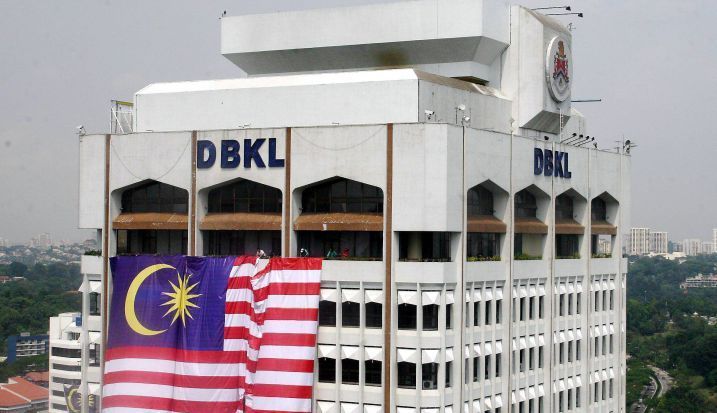
The Malaysian Cabinet has moved to establish clear governance priorities for Kuala Lumpur's administration, directing the Federal Territories Department to concentrate on strengthening internal controls and accountability mechanisms at Kuala Lumpur City Hall (DBKL) before entertaining any legislative changes to the Federal Capital Act 1960. The decision follows completion of a feasibility study that examined whether legal amendments would genuinely address the city authority's operational challenges or whether existing structural frameworks could be fortified instead.
Minister in the Prime Minister's Department (Federal Territories) Hannah Yeoh announced the Cabinet's position through a formal statement after the Federal Territories Department presented its findings from a four-month investigation spanning December through March. The International Islamic University Malaysia (IIUM) was tasked with conducting the study, which involved consultation with Kuala Lumpur's seven parliamentarians and senior management at DBKL to assess the city hall's current operational effectiveness and institutional capacity.
The IIUM investigation delved deeply into multiple dimensions of DBKL's functioning, scrutinizing its administrative framework, how decisions are made within the organization, the efficiency of service provision to residents, enforcement capabilities, and mechanisms for holding officials accountable. The research also evaluated whether fundamental institutional reforms were necessary or whether targeted improvements could address identified shortcomings. This comprehensive diagnostic approach distinguished the study from earlier political proposals that advocated for structural overhauls without detailed analysis of root causes.
Two competing reform proposals had previously emerged within political circles, each offering different solutions to governance concerns. The Prime Minister's Policy Advisory Committee had floated a concept involving the establishment of a Supreme Council that would alter the legal standing of the mayor's office, while a separate initiative by Kuala Lumpur MPs suggested creating a City Council composed of the seven elected representatives to provide advisory functions to the mayor. These proposals reflected different philosophies about how to improve accountability and representation in the capital city's administration.
The IIUM study, however, delivered a cautionary finding regarding the councillor proposal, concluding that introducing a formal City Council system would be counterproductive. The researchers argued that layering additional decision-making bodies onto DBKL's existing structure would create ambiguity about administrative responsibility and potentially lead to overlapping jurisdictions. Such institutional multiplication, the study warned, would obscure accountability lines precisely when clarity is most needed to ensure officials answer for their decisions and actions.
More significantly, the study identified that many of DBKL's operational difficulties do not stem from deficiencies in the Federal Capital Act itself. Instead, the researchers traced problems to the absence of clearly documented internal procedures, consistent operating guidelines, and formalized protocols governing how meetings are conducted and decisions are documented and approved. This finding suggested that legislative intervention might be unnecessary if administrative discipline were strengthened through systematic implementation of institutional best practices.
Based on this analysis, the study recommended fortifying DBKL's existing Advisory Board rather than creating parallel governance structures. The proposal includes establishing a comprehensive governance framework that would specify the criteria for selecting board members, particularly regarding the appointment of professional experts and non-governmental organization representatives. Such a framework would also codify meeting procedures, establish requirements for presenting and evaluating proposals, define reporting obligations, and clarify how the Advisory Board coordinates with the mayor, the Federal Territories Minister, and DBKL's operational management.
Regarding the role of Kuala Lumpur's elected representatives, the study advocated for enhanced parliamentary oversight without granting MPs administrative authority. The research suggested that strengthening the monitoring function through structured consultation meetings, dedicated oversight committees, comprehensive budget reviews, and formalized processes for residents to raise concerns would improve democratic accountability. Importantly, these mechanisms would preserve the distinction between political representation and executive administration, preventing the blurring that could compromise professional standards and institutional coherence.
The constitutional foundation for current arrangements rests on Section 5(1) of the Federal Capital Act 1960, which establishes the mayor as a "corporation sole" vested with legal authority. This differs fundamentally from conventional local authorities governed under the Local Government Act 1976, where executive power is distributed across elected councils. The study cautioned that introducing councillors with formal powers could inadvertently transform Kuala Lumpur into a standard local authority, potentially conflicting with the original legislative intent and the 1974 federal agreement that transferred the capital to central government stewardship.
Yeoh stated that the Federal Territories Department and DBKL management are now preparing a comprehensive transformation programme aimed at enhancing decision-making processes, implementing effective checks and balances, and improving overall administration. This transformation will proceed through administrative directives and procedural enhancements rather than legislative amendments, allowing for flexibility and faster implementation. The Cabinet will receive periodic updates on reform progress, establishing oversight mechanisms to ensure sustained momentum.
For Malaysian readers and policymakers, this decision carries broader implications about how governance challenges should be addressed. The Cabinet's prioritization of administrative reform before legislative change reflects a recognition that institutional problems often reflect implementation gaps rather than legal shortcomings. This approach allows DBKL to demonstrate improved performance within existing legal frameworks before pursuing more significant structural modifications that could affect Kuala Lumpur's unique status as both national capital and Federal Territory.
The study's emphasis on strengthening existing institutions rather than creating new ones resonates with efficiency concerns and reflects lessons from governance reform efforts across Southeast Asia, where administrative proliferation has sometimes complicated rather than clarified accountability. By insisting on clear procedures, documented decision-making processes, and transparent coordination mechanisms, the government is addressing the practical root causes of governance challenges while maintaining institutional stability and preserving the constitutional distinction between elected representatives and professional administrators.
The outcome demonstrates that comprehensive diagnostic studies can provide policymakers with empirical foundations for measured decision-making, even when competing political interests advocate for more dramatic institutional change. As DBKL implements its transformation programme, the success of these administrative reforms will likely influence whether legislators ultimately consider amendments to the Federal Capital Act—effectively making the coming months a critical test of whether governance improvements can be achieved through disciplined management rather than structural legislation.

