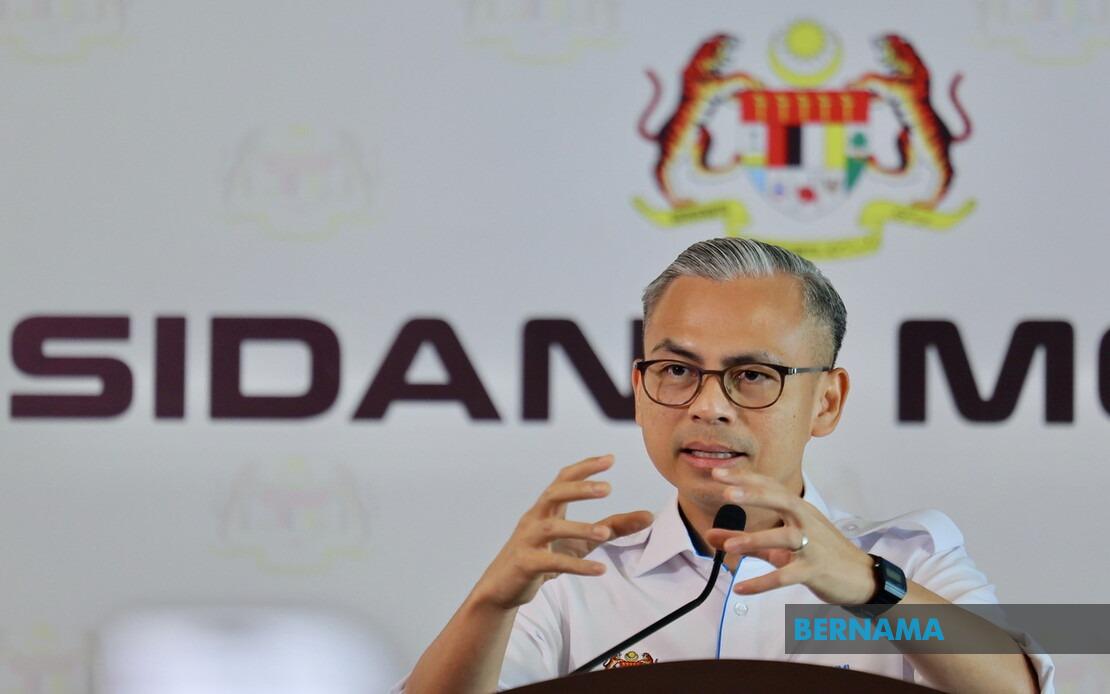
The Malaysian government is moving swiftly to address escalating concerns about foreign worker availability, with Cabinet approval for a high-level committee meeting scheduled to commence as early as next week under the stewardship of Deputy Prime Minister Datuk Seri Dr Ahmad Zahid Hamidi. The decision emerged from Cabinet deliberations chaired by Prime Minister Datuk Seri Anwar Ibrahim on Wednesday, as articulated by MADANI Government spokesperson Datuk Fahmi Fadzil during a media briefing in Putrajaya. The convening of this dedicated committee reflects growing acknowledgment within government circles that labour supply issues warrant urgent, coordinated intervention across multiple economic sectors.
The scope of the forthcoming committee's work extends beyond a single industry, though the food and beverage sector features prominently among the areas flagged for discussion. This sectoral diversity underscores a broader structural challenge confronting Malaysia's economy: various industries are experiencing simultaneous pressures relating to workforce capacity and skill availability. By establishing a Cabinet-level committee rather than handling the matter through routine departmental channels, the government signals both the urgency and the cross-cutting complexity of the foreign labour question. The elevation of this issue to ministerial attention implies that solutions will likely require coordinated policy adjustments spanning multiple government portfolios, from immigration to labour to sector-specific regulations.
Communications Minister Fahmi, in his capacity as government spokesperson, articulated the Cabinet's reasoning: the comprehensive management of foreign worker-related issues demands an integrated approach that can reconcile competing sectoral interests with broader immigration and labour market policy objectives. This framing suggests the committee will not simply rubber-stamp industry requests for expanded foreign worker quotas, but rather conduct a more nuanced assessment of how Malaysia's foreign labour framework can be optimised to serve the economy while maintaining social cohesion and protecting domestic workers' interests. The deliberate choice to vest the committee's chairmanship with the Deputy Prime Minister rather than a lower-ranked minister further emphasises the political weight attached to reaching balanced conclusions.
For the food and beverage industry specifically, which has been particularly vocal about labour constraints, next week's committee meeting represents a potential inflection point. This sector, encompassing restaurants, hotels, catering operations, and related establishments, has faced mounting operational challenges as tourism rebounds and domestic consumption patterns shift in the post-pandemic period. Staffing difficulties have affected service quality and expansion ambitions across the industry. However, industry players will need to await the committee's formal deliberations; as Fahmi indicated, sectors raising concerns about foreign labour availability should hold their detailed proposals until the Deputy Prime Minister leads the discussion, preventing premature negotiations or expectations-setting.
The timing of this initiative reflects broader economic dynamics within Southeast Asia's second-largest economy. Malaysia has historically relied on foreign workers across construction, manufacturing, domestic help, and hospitality sectors, with labour inflows from neighbouring countries providing crucial support to labour-intensive industries. However, regional competition for workers has intensified as other nations—particularly Singapore and Thailand—have adjusted their own immigration policies and wage competitiveness. Simultaneously, demographic changes within Malaysia itself, including lower birth rates and ageing populations in certain regions, have altered the underlying conditions that once made foreign labour supplementation relatively uncontroversial.
The committee's forthcoming deliberations will occur against a backdrop of evolving public sentiment regarding immigration. While Malaysian business constituencies have traditionally advocated for expanded foreign worker access, growing domestic unemployment in certain demographic segments and public discourse around wage suppression have created political constraints on wholesale liberalisation of labour import policies. The government's decision to establish a structured, Cabinet-level committee process suggests an attempt to navigate these competing pressures through transparent, evidence-based policymaking rather than ad hoc sectoral accommodations.
Beyond immediate operational concerns, the committee's work carries implications for Malaysia's positioning within regional labour markets. Countries throughout Southeast Asia are recalibrating their immigration frameworks as they compete for both skilled and semi-skilled workers. Malaysia's decisions on foreign worker policy will influence not only the competitiveness of its hospitality and food service sectors but also broader perceptions of the country as an investment destination. Multinational companies considering regional operations consider labour availability and flexibility as material factors in location decisions. A transparent, stable foreign worker policy articulated through high-level government processes can provide the regulatory clarity that investors seek.
The involvement of Deputy Prime Minister Ahmad Zahid Hamidi as chair suggests the committee will possess sufficient bureaucratic authority to implement decisions without requiring further Cabinet approval for routine operational matters. This authority structure should accelerate the translation of committee recommendations into actionable policy adjustments, whether these involve quota modifications, simplified visa processing for certain occupations, or revised compliance frameworks for employers. However, any significant changes to the overall foreign worker framework will likely still require formal Cabinet endorsement and potentially Parliamentary consideration.
Looking forward, stakeholders across affected sectors should prepare detailed position papers and evidence regarding their specific labour needs, as the committee will presumably seek industry input before finalising its recommendations. Trade associations representing hospitality, food service, and other labour-intensive sectors would be prudent to coordinate their engagement with the committee, emphasising not just immediate staffing pressures but also longer-term workforce development strategies that might reduce dependency on foreign labour while remaining realistic about structural gaps. The government's openness to this structured consultation process creates opportunity for industry voices to shape outcomes, provided they present balanced arguments that acknowledge both sectoral requirements and broader national policy considerations.

