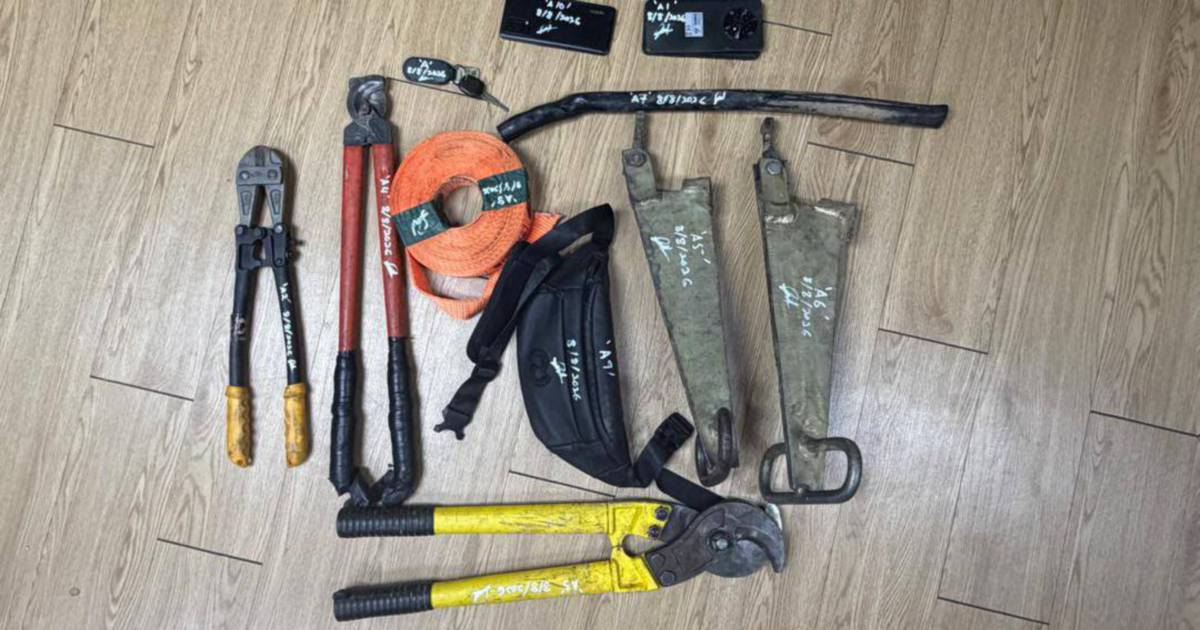
A suspected cable thief was brought into custody following a dramatic pursuit across Melaka that stretched nearly 50 kilometres before concluding with a vehicle collision in Sungai Chohong, Jasin, during the early morning hours. The incident highlights ongoing challenges law enforcement faces with infrastructure theft across the state, a problem that has intensified in recent years as criminals target telecommunications and electrical cables for resale as scrap metal.
The chase, initiated when police spotted the suspect operating a stolen vehicle laden with cable materials, demonstrates the operational coordination required to track and apprehend individuals engaged in copper and cable pilfering operations. These crimes have become increasingly organised in Malaysia, with networks of thieves, transporters, and scrap dealers working together to convert stolen infrastructure into quick cash. The extended pursuit suggests the suspect was determined to evade capture, despite the obvious risks of high-speed driving through populated and rural areas.
When the suspect's vehicle struck the support cable in Sungai Chohong, the impact brought the chase to an abrupt conclusion. The collision provided police with the opportunity to move in and secure the individual without further incident. Preliminary investigations at the scene recovered the stolen cables and the vehicle itself, which added to the evidence collection for prosecutorial purposes. The specific location in Jasin, which borders Melaka and Negeri Sembilan, is a known transit corridor for goods movement and crime operations seeking to distribute stolen materials across state lines.
Cable and copper theft represents a multifaceted problem affecting telecommunications providers, electricity distribution networks, and local authorities throughout Malaysia. When thieves systematically strip cables from power lines, telephone poles, and underground infrastructure, they create public safety hazards that extend far beyond the immediate theft. Power outages, communication blackouts, and compromised electrical systems can impact hospitals, businesses, and residential areas, creating ripple effects throughout communities that depend on these services. For telecommunications companies operating fibre-optic networks, the loss and damage inflicted by thieves constitute significant operational and financial challenges.
The economics driving cable theft remain compelling for criminal elements. The global commodities market for copper and metals has experienced volatility, but scrap copper prices generally remain attractive enough to incentivise organised theft networks. In Malaysia, informal scrap dealers and recycling operations sometimes knowingly purchase stolen materials without rigorous verification of origin. This creates a market pull that encourages thieves to take progressively greater risks. The proceeds from such operations, while individually modest, accumulate into meaningful income for criminal networks operating across multiple locations.
Police operations targeting cable theft require intelligence gathering about supply chains and disposal networks. Successfully disrupting these criminal enterprises involves identifying not only the individuals performing the physical theft but also the middlemen who transport materials and the dealers who purchase stolen goods. A comprehensive enforcement approach requires cooperation between various state police contingents, particularly when suspects attempt to move stolen materials across state boundaries. The 50-kilometre pursuit in this case suggests the suspect may have been transporting cables away from the theft site toward a distribution point or dealer location.
The arrest in Sungai Chohong, Jasin, reflects broader patterns of police activity addressing cable theft across Melaka and surrounding states. Infrastructure theft remains a persistent challenge for law enforcement agencies seeking to protect essential services that millions of Malaysians depend upon daily. Each successful apprehension generates investigative leads that can help police identify network associates, supply routes, and disposal locations. Charges against arrested suspects typically involve theft, possession of stolen property, and potentially more serious offences if the cables were taken from critical infrastructure facilities.
For residents and businesses in affected areas, cable theft creates tangible hardship. Rural communities sometimes experience extended communication outages when thieves target telephone poles, disrupting internet services, mobile connectivity, and traditional phone lines. Schools, clinics, and small businesses that have transitioned to digital operations face operational disruptions. The costs of repairing stolen or damaged infrastructure ultimately flow through to consumers via higher service charges and increased maintenance fees. Utility companies and telecommunications providers must invest additional resources in security measures, surveillance systems, and accelerated replacement programmes.
The vehicle crash that ended this pursuit raises questions about the recklessness sometimes displayed by suspects attempting to evade apprehension. High-speed chases through populated areas create danger for innocent motorists and pedestrians. While police must pursue suspects for serious crimes, the public safety implications of extended chases remain a consideration for law enforcement strategy. In this case, the suspect's attempt to flee rather than submit to questioning ultimately resulted in a collision that could have caused injury or fatality had the circumstances been slightly different.
Moving forward, the recovered evidence from this arrest will support investigations into the source of the stolen cables and potential connections to broader theft networks. Police may interview the suspect regarding his associates, the locations where materials were stolen, and the intended destination for the cargo his vehicle carried. Such information can lead to preventive measures at vulnerable infrastructure sites and enhanced monitoring of known transit corridors. Community awareness campaigns alongside police enforcement represent a comprehensive approach to addressing infrastructure theft across Malaysia.

