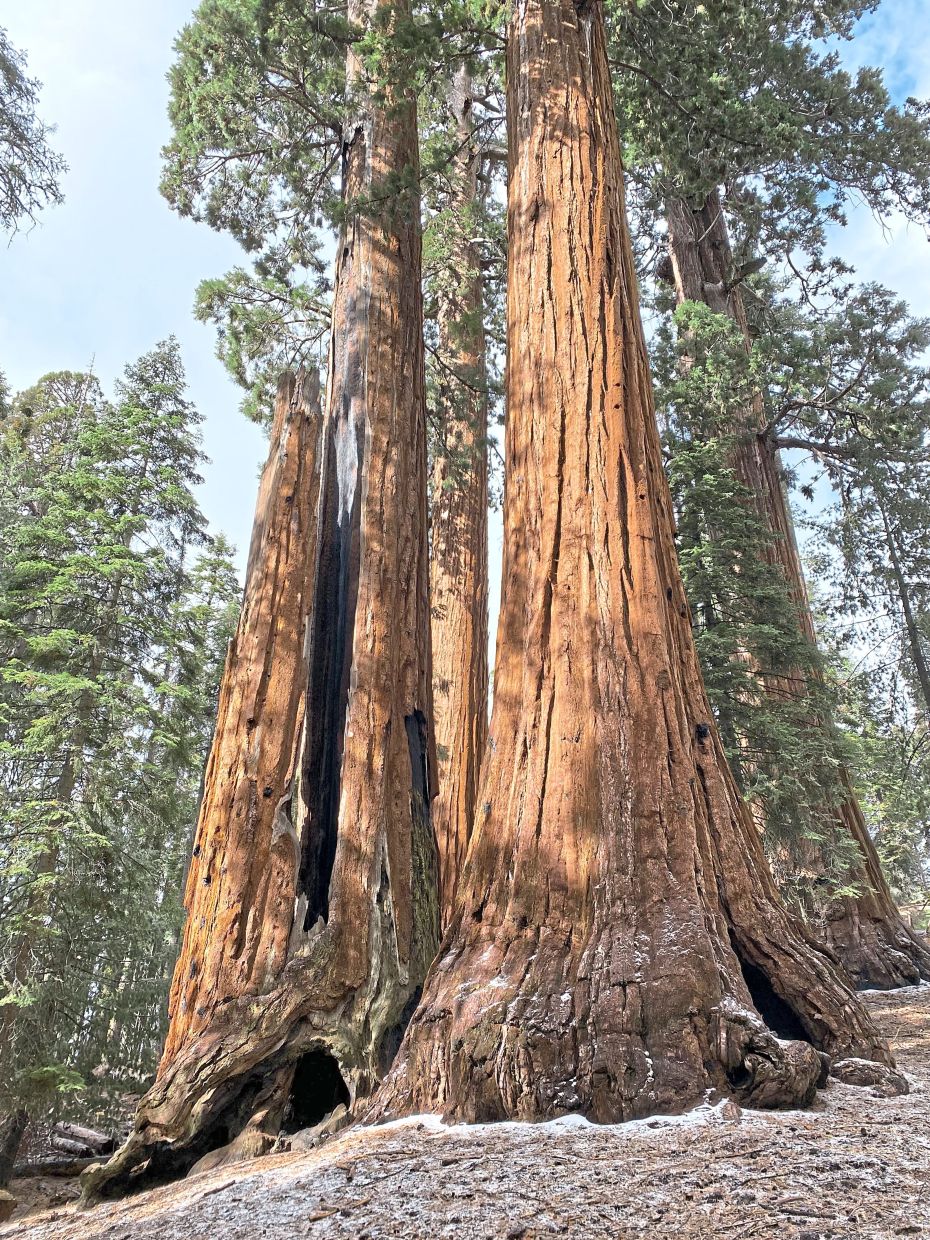
A catastrophic environmental crisis unfolded across California's southern Sierra Nevada mountains during the 2020 and 2021 fire seasons when unprecedented blazes swept through Sequoia National Park, Sequoia National Forest and surrounding areas, destroying nearly one-fifth of the world's remaining giant sequoia population. The ancient trees, which can tower 91.5 metres high and survive for three millennia, fell in massive numbers as fires burned with an intensity the state had never before witnessed. The scale of the devastation prompted California's government, federal agencies, conservation groups and scientific institutions to form an unprecedented partnership dedicated to preventing similar catastrophic losses in the future.
The emotional weight of that disaster still lingers among the professionals tasked with protecting these irreplaceable specimens. Kevin Conway, state forests programme manager for Cal Fire, California's primary firefighting agency, described the experience as deeply troubling, acknowledging the anguish that comes from witnessing the destruction of trees that predated human civilisation by millennia. Yet from that grief emerged a determination to understand what went wrong and to fundamentally change how California manages these ancient forests. The formation of the Giant Sequoia Lands Coalition in 2022 represented a shift in philosophy, bringing together eight primary organisations including the National Park Service, US Forest Service, California State Parks, and the Bureau of Land Management, along with nine additional groups providing scientific expertise and financial support.
The restoration programme has already demonstrated tangible progress. Since operations began in 2022, coalition teams have treated 9,409 hectares across the state by thinning overgrown vegetation and conducting controlled burns. The work has focused on 44 of California's 94 giant sequoia groves, with particular emphasis on areas devastated by the 2020 and 2021 fires. Perhaps most notably, restoration teams have planted more than 682,000 sequoia seedlings in severely burned zones, investing in the long-term recovery of these magnificent trees. The scale of this effort represents one of the most comprehensive forest restoration initiatives undertaken in the United States, reflecting the exceptional value placed on preserving these unique species.
Understanding why giant sequoias became so vulnerable to catastrophic fire requires examining the unintended consequences of a century-old approach to forest management. These trees evolved alongside fire, having cones with resin that requires heat to release seeds and bark that can grow approximately 60 centimetres thick, providing remarkable insulation against heat. Before European settlement and the Gold Rush of the 1850s, lightning strikes and controlled burns conducted by Native American tribes swept through giant sequoia groves every decade to two decades, maintaining a natural ecological balance. However, beginning roughly 100 years ago, firefighting efforts designed to suppress all wildfires paradoxically created dangerous conditions by allowing dense accumulations of small trees, brush and dead wood to build up to unnaturally high levels.
Climate change has dramatically intensified this problem in recent years. Extended droughts, particularly during 2012-2016 and 2020-2022, killed millions of additional trees throughout the Sierra Nevada range, creating unprecedented quantities of fuel for fires to consume. Rising temperatures have also dried vegetation and soils more thoroughly, enabling fires to burn with greater intensity and spread faster across landscapes. When wildfire flames finally enter groves choked with dense vegetation and dead material, they burn far hotter than the historical fires that these trees evolved to survive. Scientists like Kristen Shive, a fuels and forest specialist with UC Berkeley's Cooperative Extension Programme, have documented the shock of witnessing ancient trees that survived thousands of years succumb to fires driven largely by human forest management decisions and climatic shifts.
The coalition's approach centres on active intervention to restore forest conditions closer to their historical state. The primary strategy involves removing the accumulated smaller trees that crowd around giant sequoias in thick stands—species including white fir, red fir, incense cedar, and drought-damaged sugar pines and ponderosa pines. Cal Fire crews and private contractors use chainsaws to fell these competing trees, then pile much of the resulting debris for burning during the off-season when conditions are safer for controlled fire. On private lands and Cal Fire demonstration forests, larger wood pieces can be sold to lumber companies, creating revenue that offsets some thinning costs and provides economic incentive for continued restoration work. This approach tackles the fire hazard directly whilst simultaneously addressing another critical problem.
The thinning work serves multiple ecological purposes beyond fire risk reduction. By removing dense vegetation that shades the forest floor, restoration crews allow increased sunlight to penetrate to ground level, creating conditions where giant sequoia seedlings can establish and grow. This two-pronged benefit—reducing fire intensity whilst simultaneously promoting natural regeneration—makes forest thinning economically and ecologically sound. Following initial thinning, areas are often treated with controlled burns using techniques that Native American tribes perfected over centuries of careful stewardship. These manageable, prescribed fires reduce accumulated fuel loads, eliminate competing vegetation, and help restore the ecological processes that shaped giant sequoia groves for millennia before fire suppression policies changed the landscape.
Steve Mietz, the former superintendent of Redwood National Park who recently assumed leadership of Save the Redwoods League, expressed cautious optimism about the restoration effort despite acknowledging the existential urgency facing these trees. He characterised the situation as fundamentally different from many environmental challenges—this is not a matter of whether additional catastrophic fires will threaten giant sequoias, but rather when they will arrive. However, he emphasised that restoration science provides clear pathways for improving forest resilience and reducing fire severity. The knowledge exists; what remains is implementation at sufficient scale and pace to outrun the accelerating fire cycle driven by climate change and accumulated fuel loads.
The restoration programme has not proceeded without controversy. In 2022, the Earth Island Institute filed federal litigation seeking to halt planned fuel reduction projects in Merced Grove within Yosemite National Park, arguing that insufficient environmental impact studies had been conducted before work commenced. A federal district court dismissed the case, and in 2023, the Ninth Circuit Court of Appeals upheld that dismissal, essentially validating the coalition's scientific approach and timeline. Merced Grove has faced six significant wildfires in the past 15 years alone, underscoring the urgency of protective measures. Fuel reduction and controlled burning work commenced in the grove last year and is expected to continue throughout the current year.
For Southeast Asian readers, this restoration effort offers important lessons about long-term environmental stewardship and the dangers of single-approach conservation strategies. The giant sequoia crisis emerged not from benign neglect but from well-intentioned but ultimately misguided fire suppression policies that failed to account for ecological complexity and evolutionary history. Malaysia and other tropical nations manage their own unique forest ecosystems facing pressures from development, climate change and altered fire regimes. The California experience demonstrates that effective landscape management requires adaptive approaches informed by both historical ecology and modern science, with willingness to undertake significant active intervention when passive preservation proves insufficient.
The California coalition's work also highlights the importance of inter-agency cooperation and the integration of indigenous knowledge with contemporary science. The restoration framework specifically incorporates techniques developed and refined by Native American tribes over countless generations, recognising that ecological management at landscape scale requires perspectives grounded in long-term observation and deep environmental knowledge. As California implements controlled burns and forest thinning across 44 giant sequoia groves, success will depend on sustained commitment over decades, adequate funding mechanisms, and political will to prioritise long-term ecological health over short-term economic pressures. The race is indeed against time, as officials acknowledge, but the pathway forward has become clearer with each season of restoration work, offering hope that one of Earth's most magnificent and ancient living organisms can survive the challenges of the modern era.

