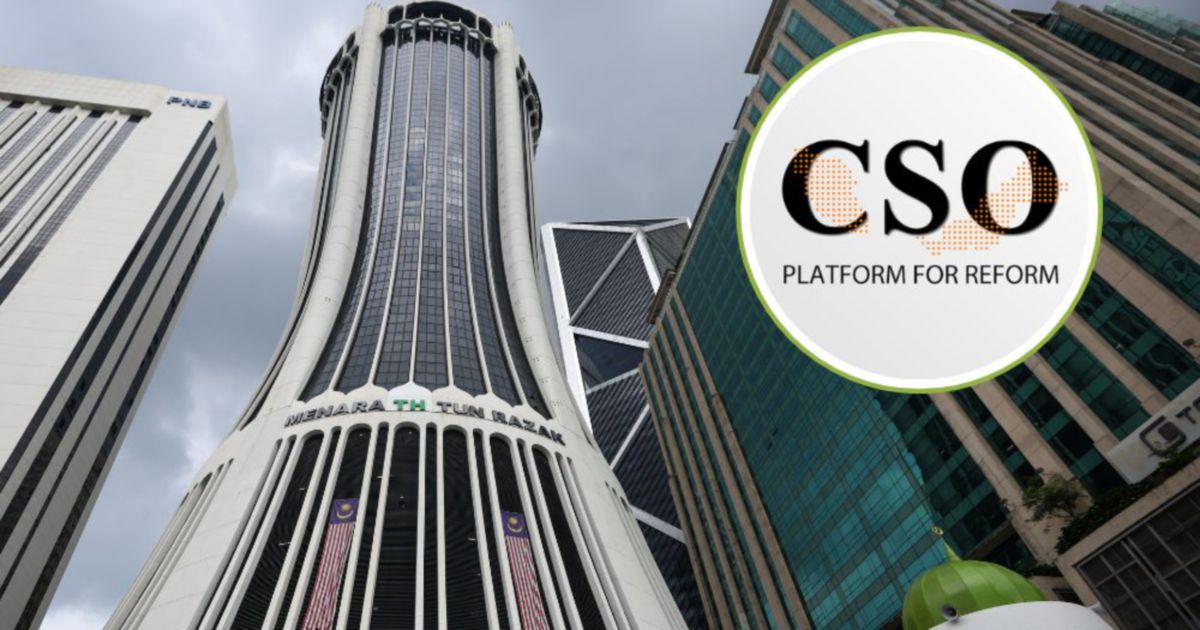
Civil society organisations have intensified their demands for an autonomous and thoroughly transparent investigation into the structural weaknesses that contributed to Lembaga Tabung Haji's crisis, following the completion of the Royal Commission of Inquiry report. The CSO Platform for Reform has positioned itself at the forefront of calls for institutional accountability, arguing that only an independent mechanism can adequately examine the depth and breadth of failures that have plagued Malaysia's largest Islamic financial institution.
The timing of this intervention reflects growing public concern about governance shortcomings at institutions entrusted with managing assets of millions of Malaysian pilgrims and savers. Tabung Haji, which oversees savings for the hajj pilgrimage and investment funds, has faced mounting scrutiny over its financial management practices, regulatory compliance, and the decisions made by successive leadership teams. The RCI's conclusions have provided a documented foundation for civil society groups to argue that more rigorous scrutiny is needed to understand how systemic problems emerged and persisted.
Civil society's insistence on independence represents a critical distinction from investigations conducted through standard government mechanisms. The organisations contend that departmental inquiries or internal audits may lack the credibility and structural autonomy necessary to interrogate decisions taken at the highest levels of the institution and by government officials who exercised oversight responsibilities. An independent probe would theoretically operate outside bureaucratic constraints and political considerations that might otherwise limit its scope or conclusions.
The comprehensive nature sought by these groups suggests they believe the RCI findings, while significant, may not constitute the complete picture of institutional dysfunction. They are likely concerned about the interconnection between Tabung Haji's management failures and regulatory lapses, as well as the adequacy of existing oversight mechanisms. A full investigation could examine whether government ministries and agencies performed their supervisory duties effectively, an area that internal or departmental inquiries might treat with institutional restraint.
Transparency in the investigation process itself has emerged as a non-negotiable demand. Civil society organisations are advocating for public disclosure of findings, methodologies, and recommendations throughout the inquiry process, not merely the final report. This approach would allow interested stakeholders—including affected investors, religious scholars, and the broader Muslim community—to understand how conclusions were reached and hold investigators accountable for thoroughness and fairness.
The RCI report likely detailed various categories of institutional failure, ranging from investment decisions that eroded returns to governance gaps in internal controls and risk management. These findings have probably exposed inadequacies in the board's oversight functions, lapses in compliance with regulatory requirements, and potential conflicts of interest among decision-makers. Civil society groups are now arguing that such serious matters warrant investigation beyond the scope of what a royal commission alone can achieve.
For Malaysian readers and particularly the millions with direct interests in Tabung Haji, the call for independent investigation carries immediate relevance. The institution manages funds accumulated for one of Islam's five pillars, making it not merely a financial entity but one deeply embedded in religious and cultural practices. Any revelation of management failure directly affects the retirement plans and religious aspirations of contributors, lending moral weight to demands for rigorous accountability mechanisms.
The involvement of civil society in pushing for independent investigation also reflects a broader evolution in Malaysia's governance landscape, where organised groups increasingly challenge reliance on traditional institutional responses to crisis. These platforms argue that genuine reform requires mechanisms with real independence, sufficient resources, and protection from external pressure—characteristics that standard bureaucratic investigations may not guarantee.
Stakeholders will likely scrutinise how government authorities respond to these demands. If investigations proceed through conventional channels without independent mechanisms, civil society groups have indicated they will continue applying pressure through public advocacy, potentially inviting international scrutiny of Malaysia's institutional governance practices. The resilience of the institution and public confidence in Islamic financial structures may depend significantly on how authorities balance these competing considerations.
The broader Southeast Asian context adds another dimension. Other Muslim-majority nations face similar pressures to ensure transparent management of Islamic financial institutions, and Malaysia's response to these calls for independent investigation will likely influence regional approaches to institutional accountability. How effectively Malaysia addresses institutional failures at Tabung Haji could shape expectations across the region regarding standards for oversight and investigation of large public financial bodies.
Moving forward, the contested question of investigation methodology will determine whether reform efforts achieve genuine institutional strengthening or merely provide procedural legitimacy to predetermined conclusions. Civil society's insistence on independence reflects recognition that restoring public trust in Tabung Haji requires more than identifying what went wrong—it demands demonstrable evidence that mechanisms exist to prevent recurrence and hold decision-makers accountable regardless of their position or connections.

