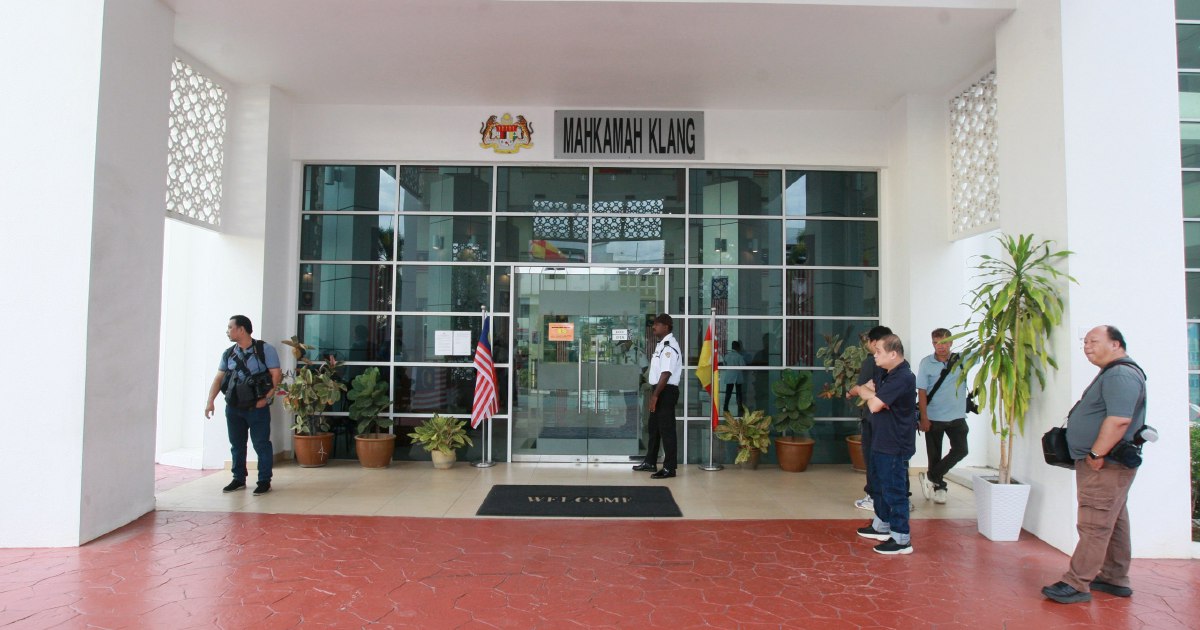
Proceedings got underway at Klang Sessions Court with minimal disruption this morning as a 24-year-old suspect prepared to answer charges stemming from the death of a dog named Rocky. The relatively subdued atmosphere outside the courthouse stood in sharp contrast to public interest surrounding the case, which has drawn considerable attention from animal welfare advocates and social media users throughout the Klang Valley region.
The case has become a focal point for discussions about animal cruelty and the legal mechanisms in place to protect companion animals in Malaysia. Rocky's death has resonated with pet owners nationwide, prompting broader conversations about enforcement of existing animal protection laws and the adequacy of penalties for offences involving animal mistreatment. The incident underscores growing public sensitivity towards cases involving domestic animals, particularly in urban areas where pet ownership has become increasingly common.
Investigations into the circumstances surrounding Rocky's death have been ongoing for several weeks, with authorities conducting inquiries to establish the precise sequence of events that led to the animal's demise. The case has highlighted the challenges law enforcement faces when handling animal-related incidents, requiring coordination between various municipal authorities and specialized units responsible for animal welfare compliance.
The legal framework governing animal protection in Malaysia comprises several statutes, most notably the Animal Ordinance 2006, which sets out provisions for animal welfare and establishes penalties for cruelty. However, advocates have long argued that existing legislation requires updating to reflect modern standards of animal protection and to provide stronger deterrents against mistreatment. The Rocky case has reignited calls from activist groups for legislative reform and more rigorous prosecution of animal abuse cases.
Public response to the case has been notably energetic across digital platforms, with thousands of individuals expressing outrage and demanding swift justice. This social media mobilization reflects a generational shift in attitudes towards animal rights in Malaysia, particularly among younger urban populations who view pet ownership as integral to contemporary lifestyle. The case demonstrates how individual incidents can catalyze broader discussions about legal gaps and enforcement priorities.
The 24-year-old accused faces the court system at a time when Malaysian society is increasingly scrutinizing how its institutions handle cases involving vulnerable beings unable to advocate for themselves. The legal proceedings will likely serve as a benchmark for similar cases going forward, potentially influencing how prosecutors approach animal cruelty allegations and what outcomes courts consider appropriate punishment.
Clang's Sessions Court, which handles cases of moderate complexity, became the venue for this proceedings amid a backdrop of heightened public awareness about animal welfare. The courthouse's measured atmosphere this morning contrasted sharply with the emotional intensity surrounding the case in public discourse, illustrating the distinction between courtroom protocol and community sentiment.
The charging decision marks a significant juncture in the investigation process, moving the matter from preliminary inquiry into formal legal proceedings where evidence will be presented and the accused given opportunity to respond to allegations. This transition signals that authorities believe sufficient grounds exist to prosecute the case and that evidence gathered during investigation meets the threshold for formal charges.
Animal welfare organizations across Malaysia have indicated they will monitor the case closely, viewing it as indicative of the judiciary's commitment to enforcing protections for animals. Many have called for transparent proceedings and have pledged to provide support to animal rights advocates attending court sessions, ensuring the case maintains public attention throughout its legal journey.
The outcome of this prosecution may influence how authorities nationwide approach similar cases, potentially establishing precedent regarding sentencing guidelines and the interpretation of animal cruelty statutes. Malaysia's legal system often references significant precedents in animal welfare cases when determining appropriate remedies, making this proceeding potentially consequential for future enforcement efforts.
Beyond the immediate legal matter, the Rocky case reflects broader transformations in Malaysian society regarding human relationships with animals. Urban communities increasingly view companion animals as family members deserving legal protection equivalent to property rights, a perspective that has not yet fully translated into corresponding legislative provisions or enforcement intensity compared to other offences.

