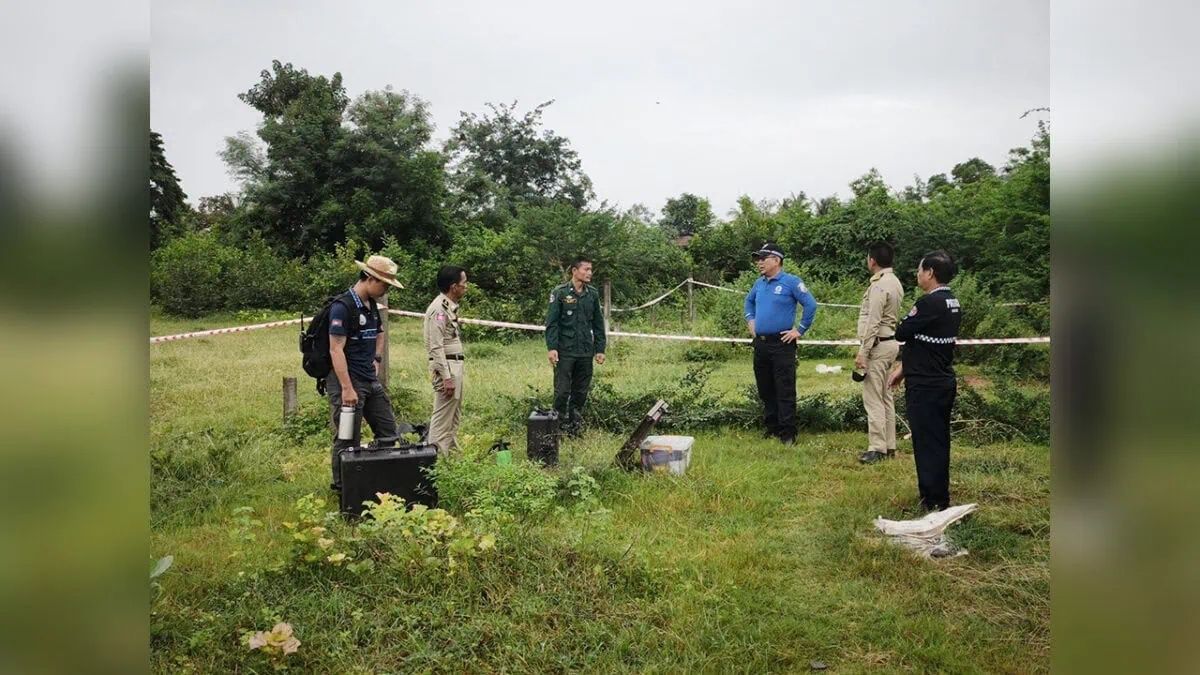
Cambodian authorities have opened parallel investigations into the deaths of two young children discovered in Banteay Meanchey province, with the National Police coordinating alongside the Child Protection Unit to pursue what officials are treating as separate homicide cases. The bodies were located on July 28, prompting an immediate response from investigative agencies including provincial police and the Minister of Interior's Department of Technical and Scientific Police.
The first victim, a 15-month-old infant, was found in a pond located within Mongkol Borei district at approximately 8 in the morning on July 28. The discovery came as authorities were simultaneously responding to another incident in the same province, creating a challenging dual investigation that has drawn significant resources and attention from Cambodia's law enforcement apparatus. The tragic findings underscore ongoing concerns about child safety across the Southeast Asian nation.
In a separate incident occurring on the same day, authorities recovered the body of a five-year-old child in Teuk Thla commune. This child had been reported missing three days earlier on July 25, meaning the youngster had been missing for several days before being discovered. The timing and location of both discoveries prompted immediate forensic examination and comprehensive investigative protocols to determine the circumstances surrounding each death.
Official statements released by the Child Protection Unit on August 3 emphasized that the two cases bear no connection to one another and must be examined as independent homicide investigations. This clarification was significant, as discovering two child deaths within hours could have sparked public concern about a linked predatory pattern. However, authorities determined that the circumstances distinguishing each case warranted separate investigative tracks and legal proceedings.
The investigative effort mobilized multiple components of Cambodia's law enforcement infrastructure, reflecting the gravity with which authorities treat crimes against children. Forensic teams conducted detailed examinations of the crime scenes, while the Department of Technical and Scientific Police provided specialized investigative capabilities. These coordinated efforts aim to establish cause of death, identify any potential perpetrators, and gather evidence suitable for prosecution.
James McCabe, director of the Child Protection Unit, issued a statement reaffirming the commitment of both Cambodian police and partner organizations to pursue thorough and professional investigations with full deployment of available resources. McCabe emphasized that investigative efforts would proceed to their fullest extent, signaling that authorities intend to follow leads comprehensively regardless of investigative complexity or duration. He further committed that any individuals determined to bear responsibility would face prosecution through Cambodia's judicial system.
The pronouncements from leadership underscore Cambodia's stated dedication to child protection despite the nation continuing to grapple with serious challenges in safeguarding vulnerable populations. Cambodia has faced international scrutiny regarding trafficking, exploitation, and violence affecting children, and high-profile investigations into crimes against minors carry significant weight both domestically and internationally. The visible commitment from the National Police and CPU reflects broader efforts to demonstrate institutional capacity and resolve in addressing such offenses.
For regional observers and organizations focused on child protection across Southeast Asia, these cases illustrate the ongoing vulnerabilities facing young children in Cambodia despite legislative frameworks and institutional arrangements designed for their protection. The swift investigative response and public statements offer some indication of institutional will, yet the cases themselves highlight the tragic reality that protective systems remain insufficient in preventing such incidents. Regional experts point to the need for stronger prevention mechanisms, community awareness, and sustained investment in child welfare infrastructure.
The investigation also carries implications for Cambodia's international standing and relationships with development partners and human rights organizations. Nations engaged with Cambodia on governance and justice issues view handling of high-profile child homicide cases as barometers of institutional integrity and capacity. How thoroughly and transparently authorities pursue these investigations will influence perceptions of Cambodia's commitment to protecting vulnerable populations and upholding rule of law principles.
Authorities have indicated that operational details will remain confidential while investigations proceed, a decision balancing legitimate public interest against investigative necessity and family privacy. This approach prevents premature disclosure that might compromise evidence gathering or prejudice eventual legal proceedings, though it also limits public understanding of these tragic events. Cambodia's media and civil society organizations will likely continue monitoring the investigations for signs of progress and commitment to justice.
The cases arrive amid broader regional discussions about child safety and institutional capacity across Southeast Asia. Malaysia and other neighboring nations maintain close relationships with Cambodia on law enforcement matters, and developments in Cambodian investigations can influence regional cooperation frameworks and information sharing regarding serious crimes. These investigations may also prompt review of protection protocols and investigative procedures across Cambodia's provinces.

