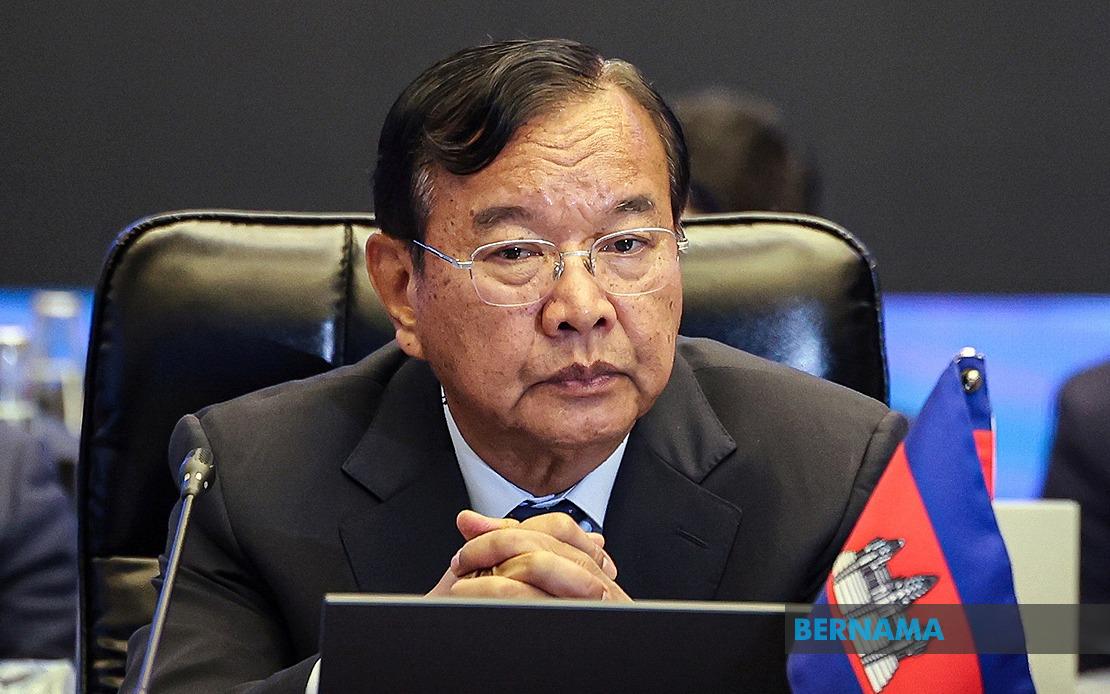
Cambodian Deputy Prime Minister and Minister of Foreign Affairs and International Cooperation Prak Sokhonn will travel to Malaysia next week for high-level diplomatic engagement aimed at reinforcing the longstanding partnership between the two neighbouring countries. The visit, scheduled to commence on August 3 and run for two days, represents an important opportunity to advance bilateral relations and chart new directions for cooperation across economic, security, and cultural domains.
The centrepiece of Sokhonn's itinerary will be his participation in the third meeting of the Cambodia–Malaysia Joint Commission for Bilateral Cooperation, or JCBC, in Kuala Lumpur. This triennial gathering of senior officials serves as the primary institutional mechanism through which both nations negotiate shared interests and coordinate policy responses to regional challenges. Cambodia's Ministry of Foreign Affairs and International Cooperation confirmed the visit through an official statement released Friday, underscoring the strategic importance Phnom Penh places on relations with its Malaysian counterpart.
At the JCBC session, the two delegations are expected to conduct a comprehensive assessment of implementation progress on agreements reached during the second commission meeting, held previously. This methodical review process ensures accountability and identifies areas where cooperation has stalled or flourished. Beyond retrospective analysis, the commission will work to translate earlier commitments into concrete action plans, establishing timelines and responsible agencies for advancing agreed initiatives across sectors as diverse as trade, investment, education, and defence.
According to the Cambodian foreign ministry, the commission meeting will focus on identifying practical measures to expand and deepen the bilateral relationship. Rather than remaining confined to traditional diplomatic channels, the two governments aim to foster people-to-people connections and commercial linkages that generate tangible benefits for citizens and businesses on both sides. This expansion of cooperation reflects recognition that modern bilateral relations must extend beyond governmental interaction to encompass civil society, academic institutions, and private sector engagement.
For Malaysia, Sokhonn's visit arrives at a moment when Southeast Asian nations face intensifying pressures from great power competition and regional security concerns. Cambodia, as a fellow ASEAN member, holds particular strategic significance for Kuala Lumpur's efforts to maintain a cohesive and prosperous regional bloc. By hosting senior Cambodian officials and demonstrating commitment to bilateral institutions like the JCBC, Malaysia reinforces its position as a responsible regional stakeholder invested in collective stability and prosperity.
During his Malaysia visit, Sokhonn has scheduled bilateral meetings with Foreign Minister Datuk Seri Mohamad Hasan, where both sides will likely discuss broader regional issues alongside bilateral matters. The format of these talks typically allows officials to address matters of mutual concern that transcend bilateral frameworks, including ASEAN coordination, responses to regional security challenges, and alignment on matters before international forums. Such high-level exchanges provide informal channels through which officials can explore sensitive topics and build personal working relationships that facilitate cooperation when crises emerge.
A crucial component of the diplomatic visit involves Sokhonn paying a courtesy call on Prime Minister Datuk Seri Anwar Ibrahim. While ceremonial in nature, such calls carry substantial diplomatic weight by demonstrating top-level governmental commitment to the relationship. Prime ministerial audiences provide opportunities for delegations to convey their leadership's political will regarding cooperation priorities and to seek direct input on matters requiring the highest level of governmental attention. The inclusion of this meeting on Sokhonn's itinerary signals that Cambodia views the relationship with Malaysia as sufficiently important to warrant engagement at the apex of executive authority.
Cambodia and Malaysia share historical ties rooted in their common experience as developing nations navigating regional politics during and after the Cold War. Both countries have benefited from ASEAN membership and regional integration frameworks that have gradually lowered barriers to trade and enhanced security cooperation. Contemporary relations reflect pragmatic recognition that economic interdependence and institutional ties serve the interests of both populations. Trade between the nations, investment flows, and labour migration create constituencies within each country with vested interests in harmonious bilateral relations.
The institutional framework represented by the JCBC demonstrates how Southeast Asian nations have operationalized cooperation mechanisms that provide regular forums for dialogue. By scheduling these high-level meetings at regular intervals, both governments create predictability and demonstrate sustained commitment to the relationship. This contrasts with sporadic diplomatic engagement that can appear reactive or circumstantial. The periodic nature of the JCBC allows both sides to establish continuity in their working relationships and to track progress toward long-term cooperative objectives.
Looking forward, the outcomes of this JCBC meeting will likely shape bilateral relations for the subsequent period until the fourth such commission convenes. The agreements reached and cooperative initiatives launched will provide substance to broader declarations of friendship and partnership. For Malaysian policymakers and businesses, the visit offers opportunities to explore expanded engagement in Cambodia's economy, which continues to attract regional investment despite periodic political uncertainties. Similarly, Cambodian interests in Malaysian expertise, technology, and capital will likely feature in discussions about deepening economic cooperation.
The timing of Sokhonn's visit also reflects the broader diplomatic calendar and calendar of regional engagements that keep ASEAN foreign ministers traveling across the region. These visits accumulate to create a dense network of bilateral relationships that reinforce regional community and institutional frameworks. For observers of Southeast Asian politics, such diplomatic movements offer windows into which relationships governments prioritize and how they calibrate engagement with different partners based on strategic calculations and historical affinities.
Ultimately, Sokhonn's visit underscores the reality that bilateral relations among ASEAN nations require continuous attention and investment from political leaders. While the Cambodia-Malaysia relationship does not face the acute challenges that characterize some regional dyads, both governments recognize that maintaining strong ties requires regular affirmation of commitment through high-level visits and institutional engagement. The JCBC meeting and accompanying bilateral meetings will provide opportunities to celebrate existing cooperation while plotting trajectories for deepening partnership in the years ahead.

