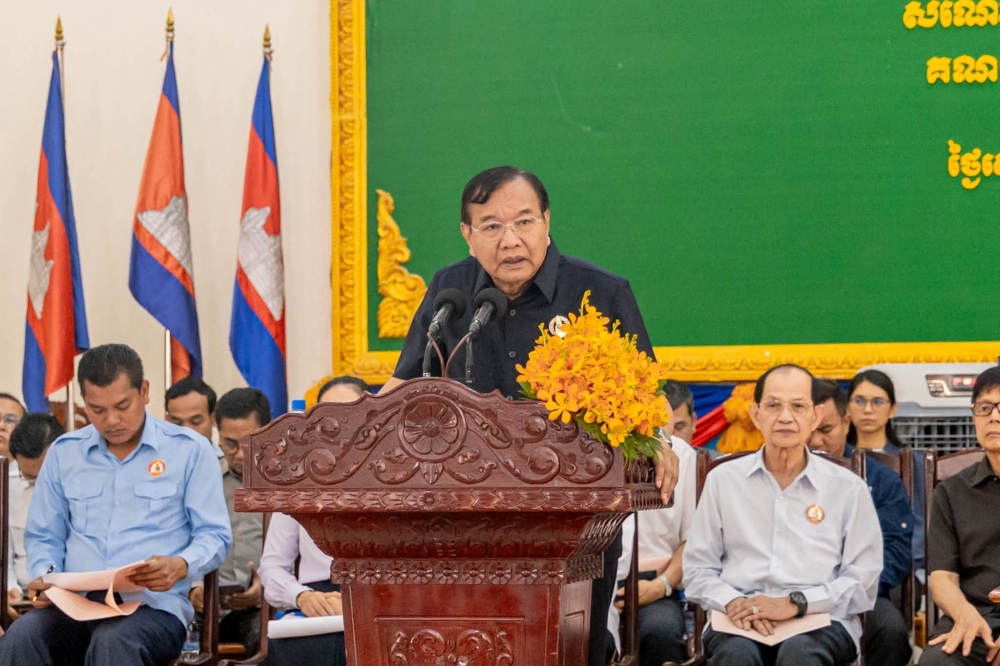
Cambodia's Deputy Prime Minister and Minister of Foreign Affairs and International Cooperation Prak Sokhonn has touched down in Malaysia for an official two-day visit, marking another chapter in the longstanding diplomatic engagement between the two Southeast Asian neighbours. The arrival underscores the commitment both nations maintain towards strengthening their multifaceted relationship, which spans trade, investment, defence, and cultural exchanges that have evolved substantially over the past two decades.
The timing of this visit reflects the broader regional dynamics shaping Southeast Asia, where Cambodia and Malaysia continue to navigate their roles within ASEAN while managing bilateral interests. Both countries have historically maintained cordial relations rooted in shared membership of regional organisations and a commitment to the ASEAN Charter principles. This engagement demonstrates how mid-level diplomatic missions remain crucial instruments for maintaining stable partnerships and addressing emerging issues before they escalate into formal bilateral concerns.
Prak Sokhonn's portfolio as Cambodia's top diplomat positions him to engage Malaysian counterparts on substantive matters affecting both nations. His dual responsibility over foreign affairs and international cooperation gives him purview over the full spectrum of bilateral engagement, from consular issues affecting citizens of both countries to higher-level strategic partnerships. This breadth of authority suggests the visit will encompass multiple dimensions of the Cambodia-Malaysia relationship, potentially including discussions on regional security, trade facilitation, and cultural preservation initiatives.
Malaysia's strategic location as a hub connecting Southeast Asia to global markets makes it a natural focus for Cambodian diplomatic attention. Similarly, Cambodia occupies an important position within ASEAN's broader strategic landscape, serving as a crossroads between Vietnam, Thailand, and Laos. Economic cooperation between Malaysia and Cambodia has gradually expanded, with Malaysian investors showing increasing interest in Cambodia's industrial zones and agricultural sectors. The visit provides an opportune moment to review progress on existing agreements and identify new areas for mutual benefit.
For Malaysian policymakers, engagement with Cambodia serves multiple objectives. Maintaining strong ties with all ASEAN members helps Malaysia strengthen its position within the bloc and ensures that regional decisions reflect balanced representation of member interests. Cambodia's perspective on regional development priorities, particularly regarding infrastructure and connectivity projects, carries weight in ASEAN deliberations. The visit offers a chance to align positions on key regional and global issues ahead of upcoming ASEAN forums and other multilateral gatherings.
The defence and security dimensions of Malaysia-Cambodia relations, though sometimes understated in public discourse, merit consideration during such high-level visits. Both nations operate maritime domains in sensitive waters where freedom of navigation and regional stability remain paramount concerns. Coordination on maritime security matters, counter-terrorism initiatives, and transnational crime prevention represents areas where closer cooperation benefits both populations. These discussions typically occur in diplomatic channels but gain new momentum during leadership visits.
Trade and investment flows between Malaysia and Cambodia, while not rivalling major economic partnerships, contain untapped potential that forward-thinking officials recognise. Malaysian corporations have established footholds in Cambodian manufacturing and services sectors, while Cambodian exports to Malaysia include agricultural products and textiles. The visit creates platforms for private sector engagement and policy discussions aimed at reducing non-tariff barriers and facilitating smoother commercial transactions. Digital connectivity initiatives and e-commerce development represent emerging areas where both nations can collaborate to boost bilateral commerce.
Cultural and people-to-people exchanges form the softer dimension of bilateral relations but carry long-term significance for sustaining public support for diplomatic partnerships. Malaysia hosts a notable Cambodian diaspora community, while Cambodian cultural sites attract Malaysian tourists. Educational exchanges, language programmes, and artistic collaborations strengthen social bonds that complement official government relations. Prak Sokhonn's visit likely includes acknowledgment of these grassroots connections and discussions on enhancing cultural diplomacy.
The visit arrives amid broader geopolitical shifts in Southeast Asia, where medium-sized powers like Malaysia and Cambodia navigate great power competition while pursuing their own development objectives. Both nations benefit from maintaining balanced relationships with major powers rather than being pulled into exclusive blocs. Such bilateral engagements reinforce the autonomy and agency of ASEAN members, demonstrating their capacity to determine their own foreign policy directions independent of external pressure.
Looking forward, the outcome of Prak Sokhonn's visit will likely produce joint statements emphasising shared commitment to bilateral cooperation and regional stability. Beyond ceremonial aspects, substantive outcomes may include agreements on specific cooperation projects, coordinated positions on regional issues, or expanded personnel exchanges between government bodies. The success of such visits ultimately depends on both sides' capacity to translate diplomatic goodwill into concrete initiatives that deliver tangible benefits to their populations.

