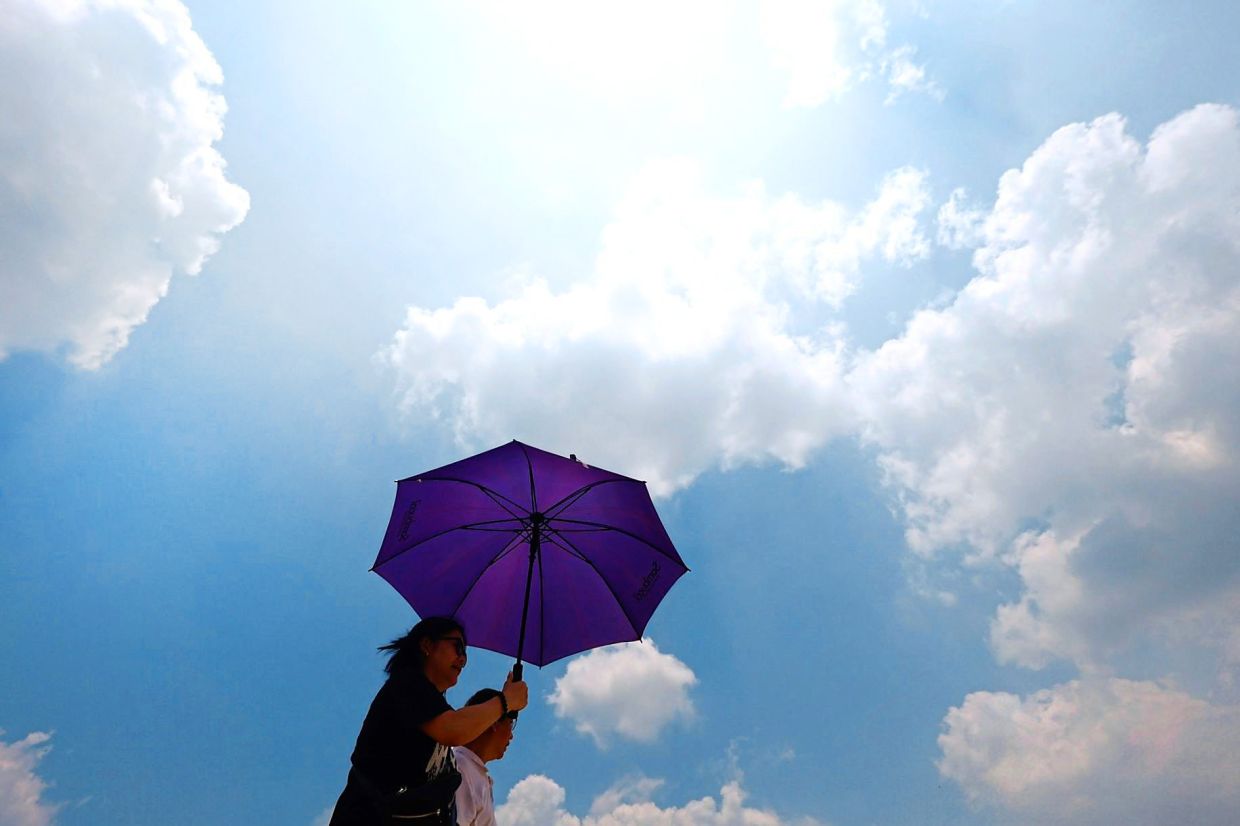
The World Health Organization declared on June 30, 2026, that heatwaves are entering a new phase of frequency, severity and duration that will fundamentally reshape how societies experience summer. This warning followed a devastating period across Europe marked by temperatures that shattered previous records and claimed numerous lives, underscoring the tangible human cost of climatic shifts. Dr Hans Kluge, WHO Europe's regional director, emphasised that the coming summers will present unprecedented challenges, moving beyond the notion of heatwaves as occasional anomalies to recognise them as persistent, recurring phenomena that communities must learn to navigate as standard features of the seasonal calendar.
The escalating intensity of heatwaves raises an urgent scientific question: can human physiology evolve or develop sufficient coping mechanisms to withstand consistently higher temperatures? Medical meteorologist Kathrin Graw, based at Germany's Deutscher Wetterdienst, offers a nuanced response grounded in clinical evidence. While the human body possesses some capacity to acclimatise to thermal stress over weeks or months, this adaptation operates within rigidly defined boundaries that climate science is rapidly pushing towards and potentially beyond.
The mechanism of heat-related harm becomes increasingly severe the longer a heatwave persists, according to Graw's analysis. Each successive day of sustained elevated temperatures compounds physiological stress, creating a cumulative burden that deteriorates human resilience progressively. The problem intensifies when nighttime temperatures fail to drop sufficiently, preventing the body from recovering through sleep. Interrupted sleep cycles during prolonged heat events compromise the next day's capacity to withstand thermal stress, creating a downward spiral of declining physiological reserves and mounting vulnerability.
Statistical evidence from the DWD underscores the lethal consequences of extended heatwaves. Among individuals with cardiovascular disease—a substantial proportion of ageing populations across developed nations—the risk of heat-related mortality escalates dramatically with duration. During the initial days of a heatwave, excess deaths in this population group reach approximately 8.5 percent above baseline levels. However, by the eleventh and twelfth consecutive days of extreme heat, this figure jumps to as much as 18 percent, demonstrating how physiological reserves become depleted under sustained thermal assault.
Despite these limitations, the human body does retain a meaningful capacity for seasonal acclimation to heat over the course of a summer. This biological reality has become operationalised within European weather services' warning systems. Germany's meteorological agency calibrates its heat alert thresholds seasonally, issuing warnings at lower temperature thresholds during early summer or following cooler periods when populations possess minimal thermal adaptation. As summer progresses and bodies gradually acclimate, these thresholds are adjusted upward, reflecting the population's improved but still limited capacity to tolerate heat without escalating health risks.
The critical question facing climate science and public health is whether humanity can develop meaningful long-term adaptation to permanently elevated baseline temperatures as climate change accelerates. Graw acknowledges that limited evidence suggests some intergenerational or geographic adaptation occurs. Populations in traditionally warmer southern regions, having endured high temperatures across longer historical periods, demonstrate somewhat lower rates of heat-related mortality compared with populations in historically cooler northern regions. This suggests that cultural practices, infrastructure design, and physiological factors operating over extended timescales do confer modest protective advantages.
However, this apparent geographic gradient in heat resilience offers false reassurance when examined in the context of climate change's accelerating trajectory. Graw emphasises that durable physiological and social adaptation to substantially higher temperatures faces insurmountable constraints, particularly when the pace of temperature increase is rapid. The acceleration of warming documented in recent years leaves insufficient time for adaptive processes—whether biological, cultural, or infrastructural—to develop and consolidate. Populations cannot adapt faster than their thermal environment changes when that change is occurring at unprecedented velocity.
The challenge becomes especially acute for vulnerable population cohorts who lack biological or economic buffers against thermal stress. Older adults face declining thermoregulatory capacity alongside heightened cardiovascular fragility. Young children possess immature heat-dissipation mechanisms. Pregnant women experience altered metabolic demands that complicate thermal balance. Individuals with pre-existing chronic diseases, particularly those affecting cardiovascular or respiratory function, encounter compounded risk as heat exacerbates underlying pathology. These groups will bear disproportionate mortality burden even as average-population adaptation modestly improves.
For Southeast Asian regions including Malaysia, the implications prove particularly concerning. Many communities in this tropical zone already experience near-maximal ambient temperatures and humidity combinations that approach or exceed human physiological tolerability thresholds for outdoor activity. Further temperature increases driven by climate change may push parts of the region into conditions where human survival becomes threatened not merely through excess mortality events, but through the functional impossibility of outdoor work during peak hours. Economic systems dependent on outdoor labour face disruption, while indoor climate control becomes increasingly essential for survival rather than comfort.
The evidence therefore suggests that while human bodies retain limited capacity for heat adaptation, this adaptation cannot keep pace with accelerating climate change. Public health strategies must therefore prioritise structural interventions—enhanced urban cooling infrastructure, modified work schedules, expanded healthcare capacity during heat events, and targeted protection for vulnerable populations—rather than assuming human physiology will simply adjust to whatever temperatures future decades bring. The window for mitigating climate change through emissions reductions remains open but narrowing, making adaptation increasingly necessary as a complement to, rather than substitute for, aggressive climate action.

