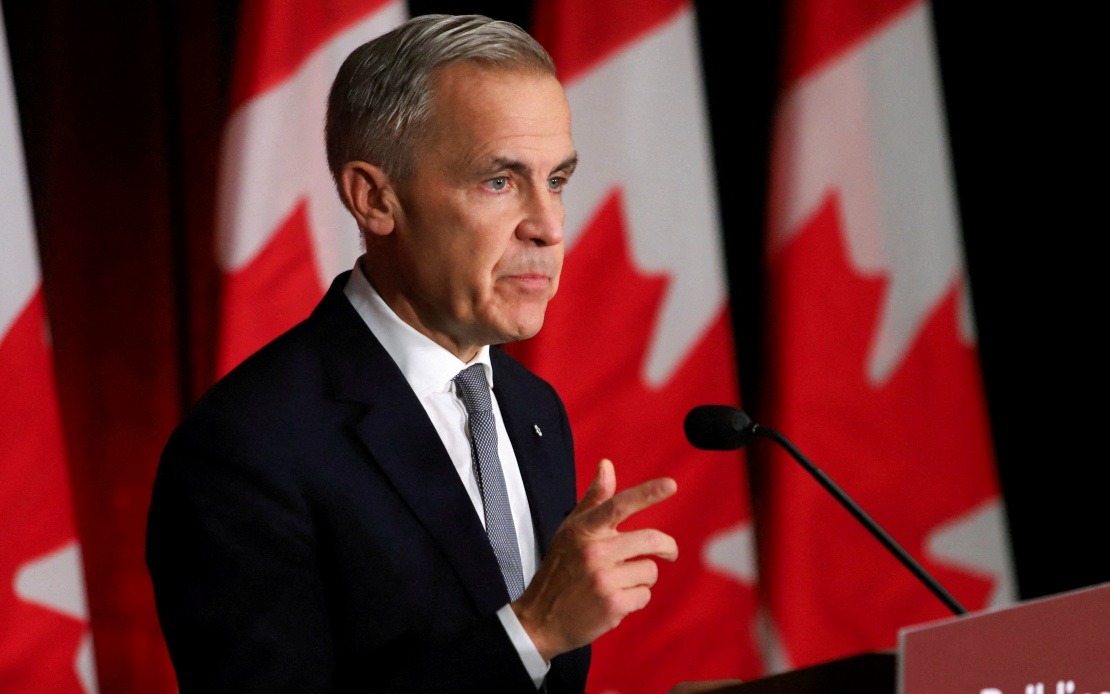
Canadian Prime Minister Mark Carney announced on Tuesday that negotiations with the United States would be ramped up in coming weeks, signalling both countries' determination to resolve deepening trade friction. Speaking after a morning conversation with US President Donald Trump, Carney indicated that Ottawa would actively pursue discussions aimed at defusing the tariff crisis that has suddenly gripped the bilateral relationship.
The diplomatic engagement comes as the two nations find themselves locked in an escalating trade dispute. Trump's administration moved aggressively on Monday by signing three proclamations that would impose an extra 50 per cent tariff on a range of Canadian exports. The American President justified the action by asserting that Canada had been discriminating against US commercial interests, though he offered limited specifics to substantiate the claim.
The scope of these new duties is substantial and strategically targeted across sectors vital to Canada's economy. Effective from August 19, the additional tariffs will apply to dairy products, alcoholic beverages, motor vehicles and associated automotive components. These sectors represent meaningful portions of bilateral trade and employ hundreds of thousands across both countries. The decision to phase in the tariffs over several weeks rather than implement them immediately suggests calculated pressure rather than immediate economic shock.
Notably, the White House chose to exempt certain Canadian exports from the tariff regime. Energy products, potash, fish and critical minerals—all significant Canadian export categories—will continue to enter the United States without these additional duties. This selective approach indicates that despite the tough rhetoric, the Trump administration may be leaving room for negotiation and compromise, potentially signalling its own openness to finding middle ground.
Canada's response has been measured but firm. Carney swiftly characterised the tariffs as "the latest in a series of unilateral US trade actions in direct violation of the Canada-United States-Mexico Agreement," immediately elevating the dispute to the multilateral framework level. By invoking the CUSMA agreement—which replaced NAFTA and represents the cornerstone of North American trade relations—Ottawa is signalling it views this not as an isolated commercial disagreement but as a systematic pattern of American protectionism that violates binding international commitments.
The timing and nature of these tariffs carry significant implications for Southeast Asian economies with interests in North American trade. Malaysia, along with regional partners, has been monitoring the deteriorating Canada-US relationship closely given broader patterns of American trade assertiveness. When major developed economies resort to tariff escalation, global supply chains inevitably shift, and nations throughout Asia find themselves navigating supply disruptions and seeking alternative trading partners.
Canada's openness to exploring response options underscores the serious nature of the challenge. Carney explicitly stated that Ottawa would examine "all options in terms of how we would respond if the tariffs do come into effect." This language, while diplomatic, hints that retaliatory measures are under active consideration. Canadian retaliation could involve tariffs on American agricultural products, manufactured goods or other exports, potentially triggering a full trade war between the two largest trading partners in the Western Hemisphere.
The acceleration of negotiations represents a crucial moment for de-escalation. Both nations understand that prolonged tariff warfare would damage their economies and disrupt integrated supply chains that have developed over decades. Canadian manufacturers rely on access to American markets; American producers depend on Canadian inputs. A sustained conflict would impose costs on both sides, suggesting rational incentives exist for reaching accommodation.
For Malaysian observers, this dispute carries instructive lessons about relying on traditional trading partners during periods of political volatility. The unpredictability demonstrated by sudden tariff proclamations highlights the value of diversifying trade relationships and reducing concentration risk among major markets. Malaysia's own approach to trade negotiations, and those of ASEAN more broadly, should be informed by the reality that even mature, rules-based trade relationships can face sudden disruption from unilateral policy shifts.
The coming weeks will test whether intensive negotiations can prevent tariffs from taking effect as scheduled in August. Success would require both sides to compromise on whatever underlying grievances prompted the American action. Failure could precipitate reciprocal measures that further strain the relationship and create broader economic consequences. For Canada, the stakes are particularly high given the economy's substantial dependence on American markets and the employment implications of tariff-induced supply chain disruptions across manufacturing, agriculture and energy sectors.

