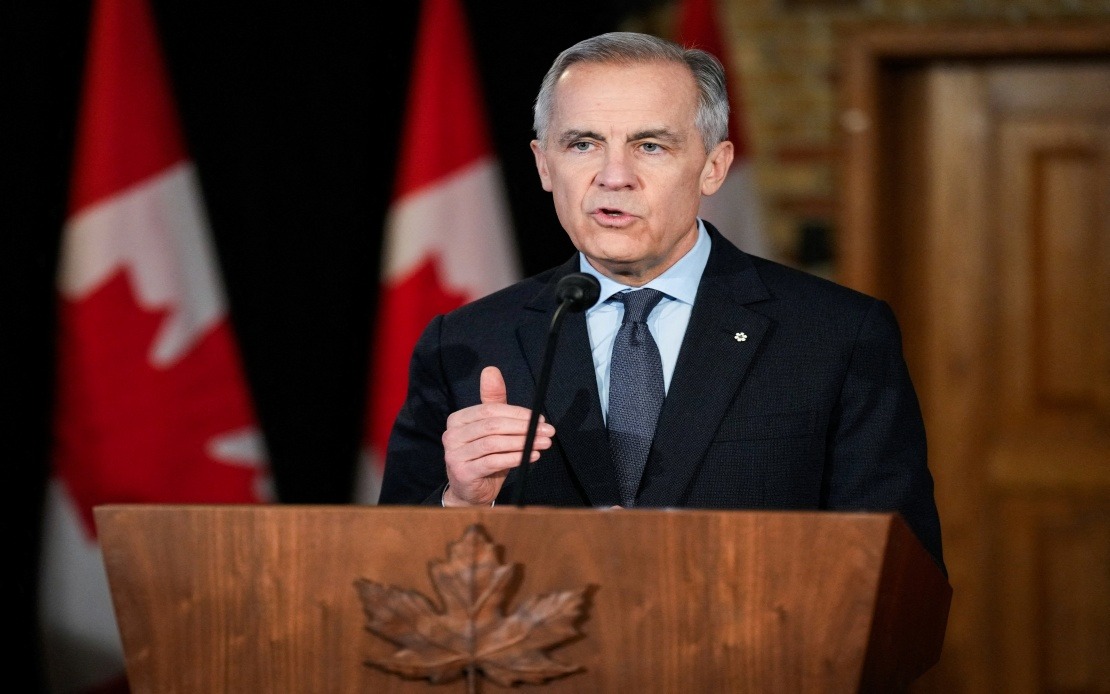
Canadian Prime Minister Mark Carney announced on Monday that the United States has agreed to extend its pause on tariffs against Canadian goods through to the end of this week, specifically until August 21. The extension comes as negotiators from both countries race to complete a comprehensive trade agreement before the deadline expires. The temporary reprieve on the threatened 50 per cent tariffs reflects what Carney characterised as significant headway in bilateral trade discussions, though he cautioned that formidable obstacles remain in reaching a final accord.
President Donald Trump initially announced the tariff pause overnight into Wednesday, signalling a willingness to delay implementation of the punitive levies to allow time for substantive negotiations. This move marked a notable shift in approach after weeks of escalating trade tensions between the two nations. By establishing a defined timeline—ending August 21—both capitals appear to have recognised the urgency of concluding negotiations before markets and supply chains face disruption. The pause applies to a broad range of Canadian goods, underscoring the scope of potential economic damage should talks collapse.
For Malaysia and other Southeast Asian trading partners, this transatlantic trade drama carries indirect but significant implications. North American tariff disputes have a habit of reverberating through global supply chains, affecting countries far removed from the initial conflict. Canadian exports to the United States are closely integrated with regional and Asian commerce, particularly in natural resources, automotive components, and technology inputs. Any sustained tariff regime could prompt American buyers to redirect purchases toward alternative suppliers, potentially benefiting some Southeast Asian producers whilst disadvantaging others.
Carney's statement underscored that despite meaningful breakthroughs, substantive work remains to bridge remaining gaps between the two negotiating teams. The Canadian government continues to prioritise strengthening its economic independence and competitive positioning, suggesting that Ottawa will not accept unfavourable terms simply to meet the August 21 deadline. This stance reflects a broader geopolitical calculation: a bad deal concluded hastily might prove more damaging long-term than allowing negotiations to extend or confronting tariffs in the short term.
The timing of this dispute is noteworthy given broader global trade fragmentation. Both Canada and the United States maintain extensive commercial relationships throughout Southeast Asia, and prolonged tariff conflicts between North American neighbours inevitably complicate third-party trading relationships. Malaysian manufacturers relying on Canadian raw materials or serving as middlemen in North American supply chains face uncertainty as negotiations continue. The region's economies, many dependent on stable, predictable international commerce, will be monitoring the August 21 deadline closely.
From Washington's perspective, the tariff threat represents a negotiating tool to extract concessions on areas where the administration believes the current trade relationship disadvantages American interests. By establishing a hard deadline, Trump's team has created pressure on Canadian negotiators to move quickly toward compromise. However, the willingness to extend the pause suggests neither side believes an outright trade war serves their long-term interests, a signal that echoes through global markets currently anxious about protectionism.
Canada's approach of simultaneous accommodation and firmness reflects the delicate position of mid-sized trading powers in a world of great-power competition. By accepting the pause whilst reaffirming commitment to economic independence, Carney signals to domestic constituencies that Ottawa is defending national interests while demonstrating flexibility to American negotiators. This balancing act will likely define Canadian trade policy throughout the coming weeks as the August 21 deadline approaches.
The broader context involves decades of integrated North American trade relationships that have created mutual dependencies difficult to unwind. For Malaysia and the Association of Southeast Asian Nations, this situation illustrates how disruptions to major trade relationships can have ripple effects across global commerce. Supply chain managers throughout the region are likely assessing contingency plans should negotiations fail and tariffs take effect. The uncertainty itself imposes economic costs through delayed investment decisions and inventory management challenges.
Assuming negotiations conclude successfully by August 21, both countries will likely claim victory. A negotiated settlement would allow Trump to demonstrate toughness in demanding better terms whilst permitting Carney to show he protected Canadian interests. However, the binary nature of the deadline creates risks; if agreement remains elusive at week's end, the question becomes whether further extensions will follow or whether tariffs will finally take effect. The answer will depend partly on the strength of remaining disagreements and partly on political calculations about how tariff implementation might affect each nation domestically and internationally.
For Malaysian policymakers and business leaders, the unfolding Canada-US trade negotiations offer instructive lessons about negotiating with assertive American administrations and managing supply chain risks in an increasingly fragmented global economy. Whether the August 21 deadline becomes a turning point toward stabilisation or the prelude to escalation remains uncertain, but either outcome will shape regional commerce patterns for months ahead.

