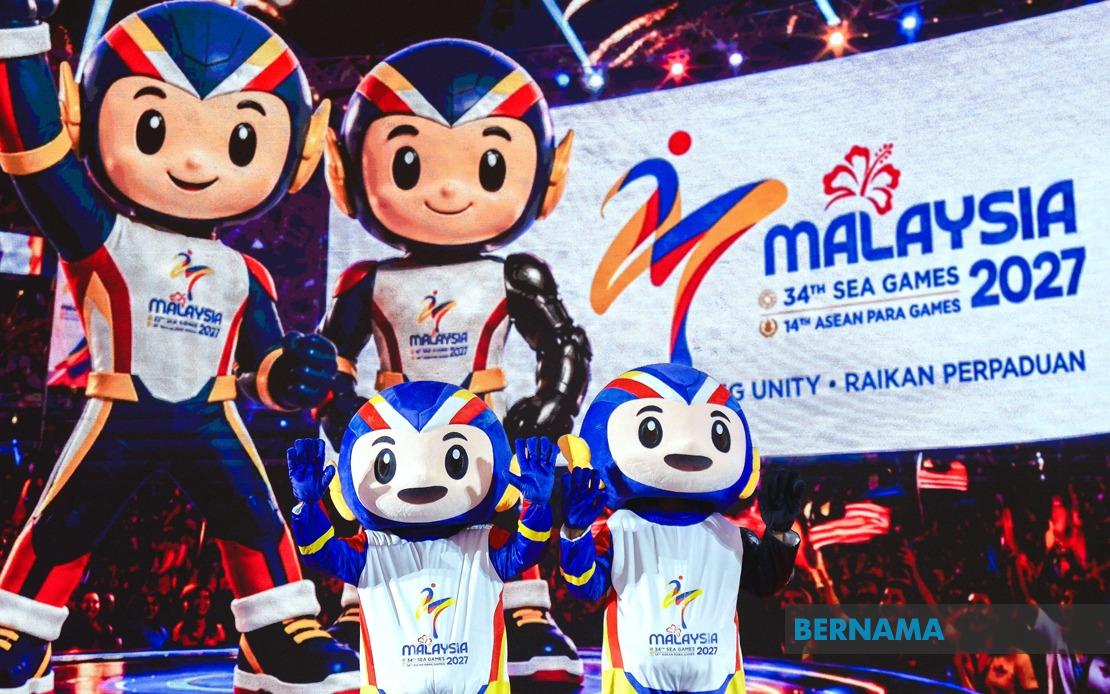
Malaysia has officially announced its vision for hosting the 2027 SEA Games and ASEAN Para Games with the unveiling of the unifying theme "Celebrating Unity" and the introduction of Tuah, a distinctive new mascot designed to embody the spirit of the regional sporting spectacle. The announcement, made by Youth and Sports Minister Dr Mohammed Taufiq Johari in Putrajaya on July 13, marks a significant milestone in the nation's preparation for the continental event, which will showcase Malaysia's hosting capabilities across four distinct geographical clusters spanning Sarawak, Penang, Johor, and Kuala Lumpur.
The chosen theme carries substantial symbolic weight for a region where sporting unity has historically served as a bridge between nations with diverse histories and cultural backgrounds. By emphasising togetherness and shared purpose, the organisers aim to transcend the competitive nature of the Games themselves, positioning sports as a vehicle for deepening diplomatic and cultural ties across Southeast Asia. This thematic approach acknowledges a growing recognition within regional sporting bodies that the Games represent more than medal tallies and records—they symbolise the collective aspirations of ten nations working toward mutual respect and understanding.
Tuah, the human-centred mascot character, represents a deliberate departure from the tradition of animal mascots that have characterised previous Southeast Asian Games iterations. Rather than drawing from regional fauna, the mascot embodies the image of a dynamic, confident, and approachable contemporary hero, reflecting modern values while maintaining cultural resonance. This conceptual shift suggests Malaysia's intent to present a forward-looking vision of the region, emphasising human achievement and individual excellence within a framework of collective solidarity.
The mascot's visual identity incorporates the colours of the Jalur Gemilang, the Malaysian national flag, a design choice that serves multiple purposes simultaneously. The integration of these patriotic hues not only reinforces national pride among Malaysian athletes and spectators but also signals Malaysia's leading role in orchestrating this multinational celebration. By embedding the flag's symbolism directly into the mascot's appearance, organisers have created a visual anchor that connects individual Malaysian achievement to the broader regional mission of unity.
Dr Mohammed Taufiq articulated the mascot's intended function as a source of inspiration for athletes participating in the Games. Beyond serving as a recognisable symbol for marketing and merchandising purposes, Tuah is envisioned as embodying the aspirational message that competitors should transcend their perceived limits and pursue excellence. This psychological dimension of mascot design underscores a sophisticated understanding of how symbolic representation influences athletic motivation and public engagement with sporting events.
The minister's emphasis on Tuah as a potential lucky charm reflects Malaysia's ambitious objective to emerge as the overall champion at the Games on home soil. This ambitious target, if achieved, would underscore Malaysia's sporting development trajectory and validate the investment in hosting infrastructure across multiple regions. The psychological dimension of believing in such fortuitous symbols, while perhaps appearing superstitious on the surface, carries practical significance in professional sports environments where mental preparation and team confidence significantly influence outcomes.
Malaysia's hosting infrastructure spans an unusually distributed geographic footprint, with sporting venues scattered across Sarawak in East Malaysia, Penang on the northwestern peninsula, Johor in the south, and the capital region. This multi-cluster arrangement presents unique logistical challenges distinct from previous Games that concentrated facilities in single metropolitan areas. Dr Mohammed Taufiq's assurance that no significant facility-related issues have emerged suggests that planning and construction timelines have remained on track, though the subsequent emphasis on technical preparations implies that refinement work continues across multiple sites.
The National Sports Council's stated target of achieving 70 per cent of Malaysian athletes finishing on the Games podium by year's end represents a measurable interim benchmark for assessing the nation's competitive readiness. This specific metric serves dual purposes: it provides an objective mechanism for evaluating training programme effectiveness while simultaneously offering preliminary indication of whether the ultimate goal of overall championship status remains achievable. The correlation between this intermediate target and the final championship ambition reflects careful strategic planning within Malaysia's sports administration.
The 2027 Games schedule, spanning September 18 to 29 for the main SEA Games followed by the ASEAN Para Games from October 17 to 23, distributes the sporting calendar across two months. This extended timeline differs from traditional single-event scheduling and reflects the increasing prominence accorded to para-sports within regional competitions. The sequential rather than concurrent arrangement of the two events allows each to receive dedicated organisational focus and media attention, potentially elevating the profile of para-athletes within the broader Southeast Asian sporting community.
From a Malaysian perspective, hosting the Games represents both opportunity and responsibility. The multi-cluster distribution of venues requires sophisticated coordination across provincial boundaries and administrative jurisdictions, testing the nation's organisational capacity. Success would demonstrate Malaysia's capability to manage complex sporting infrastructure development while simultaneously projecting regional leadership. Conversely, any shortcomings in facility delivery or logistical execution could undermine Malaysia's broader sporting and diplomatic objectives within Southeast Asia.
The theme of celebrating unity carries particular resonance during a period when geopolitical tensions and economic pressures have challenged regional cohesion. By emphasising shared sporting values and mutual celebration, the 2027 Games offer a platform for affirming the Southeast Asian identity that transcends bilateral disputes or economic competition. The mascot Tuah, as a humanised rather than bestialised symbol, further reinforces this emphasis on our shared humanity and common aspirations, suggesting that the Games' significance extends beyond athletic competition into the realm of cultural diplomacy and regional institution-building.

