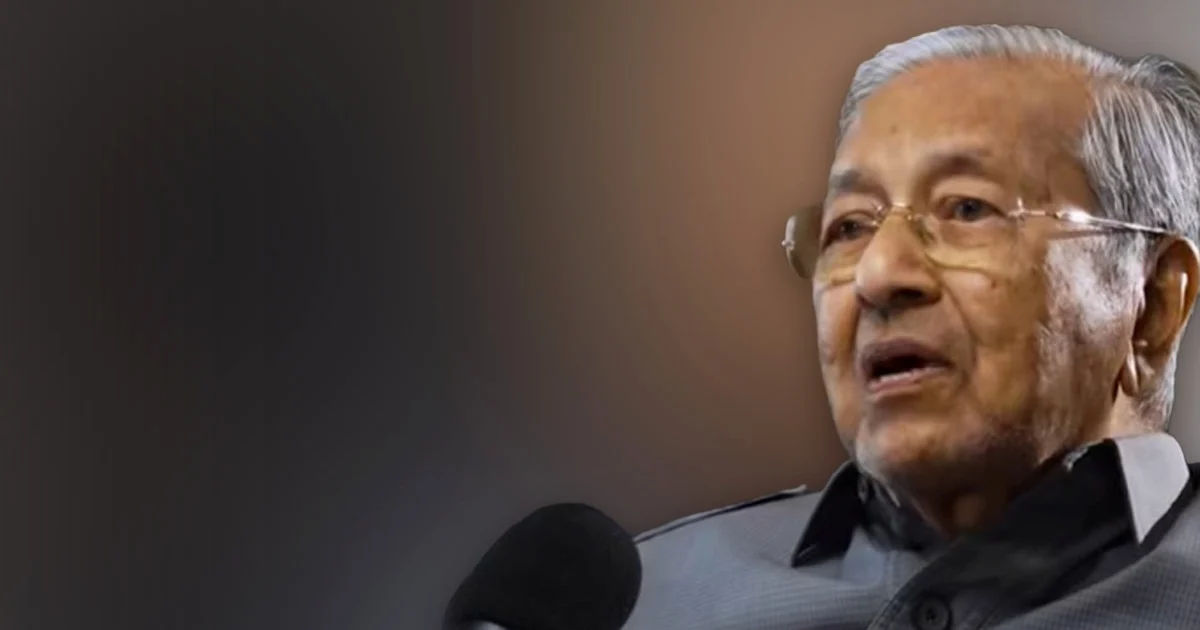
Tun Dr Mahathir Mohamad has emerged as an unlikely wellness mentor in his second century, offering Malaysians a practical masterclass in healthy living at an age when most people are no longer here to tell the tale. The former prime minister marked his 101st birthday by reflecting on the habits that have allowed him to remain active and engaged in public discourse, with his philosophy centring on a deceptively simple principle: consumption of food should serve the body's needs, not become an end in itself.
The distinction drawn by Malaysia's longest-serving premier carries particular weight in a region increasingly grappling with lifestyle diseases and obesity. Throughout Southeast Asia, rapid urbanisation and changing dietary patterns have contributed to rising rates of hypertension, diabetes, and cardiovascular conditions. Tun Mahathir's emphasis on eating to live rather than living to eat stands as a counterpoint to the convenience-driven food culture that now dominates urban centres across the bloc. His words suggest that longevity is not primarily a matter of expensive supplements or exclusive wellness retreats, but rather the discipline to view meals as functional necessities rather than sources of pleasure or status symbols.
At an advanced age when many experience declining health and reduced capacity, Tun Mahathir continues to participate in public affairs with notable vigour. This visible demonstration of active ageing has implications for how Malaysians conceptualise the later stages of life. Rather than accepting inevitable decline, his example suggests that dietary discipline and purposeful living contribute measurably to health outcomes in old age. The message carries subtle but significant force in Malaysian society, where respect for elders traditionally runs deep, and where a figure of his stature speaking about health behaviours carries considerable influence.
The wisdom shared by the centenarian touches on a broader conversation about sustainable living. In an era when dietary trends cycle rapidly between restrictive fads and indulgent extremes, Tun Mahathir's philosophy advocates for steady-state moderation. This approach, grounded in traditional principles of balance, differs markedly from the binary framework many people adopt—either strict deprivation or unrestrained consumption. The middle path he articulates aligns with principles long understood in Chinese traditional medicine and Ayurvedic practice, suggesting that his insights reflect time-tested knowledge rather than contemporary fashion.
The timing of these reflections, coming immediately after his 101st birthday, provides a natural occasion for public consideration. Birthdays serve as markers that invite reflection on the passage of time and the choices that have filled those years. For Tun Mahathir, now having lived more than a full century, the reflection carries earned authority. He has witnessed Malaysia's transformation from colonial territory to independent nation, navigated economic crises, and shaped policies that influenced millions of lives. The fact that he remains cogent enough to articulate advice on longevity at this stage suggests his dietary discipline may indeed merit attention.
From a public health perspective, Malaysia's healthcare system faces significant pressures from non-communicable diseases largely preventable through lifestyle modification. The healthcare expenditure devoted to managing obesity-related conditions, type 2 diabetes, and hypertension represents a substantial drain on resources that could be redirected to other areas. When influential figures like Tun Mahathir publicly advocate for disciplined eating habits, they effectively reduce the burden on messaging campaigns and public education efforts. His voice carries particular resonance because his approach requires no purchase of special products, no membership in exclusive programmes, and no dependence on medical interventions.
The concept of eating to live rather than living to eat also speaks to cultural identity and values. Malaysia's rich food heritage—from hawker centre staples to fine dining—forms a central element of social life and cultural expression. Tun Mahathir's advice does not advocate abandonment of this heritage but rather a conscious relationship with food that preserves cultural practice while maintaining physical health. Many Malaysian dishes balance protein, vegetables, and rice in proportions that align naturally with nutritional guidelines, suggesting that traditional wisdom about food already embodied sustainable principles.
As Malaysia's population ages, the conversation about healthy ageing takes on demographic urgency. The nation's proportion of elderly citizens will accelerate in coming decades, creating demand for aged care services and raising questions about health expenditure sustainability. Individuals who maintain independence and good health through their later years represent not merely personal successes but contribute to broader social and economic stability. Tun Mahathir's visible vitality at 101, coupled with his articulation of the dietary discipline behind it, provides a template that is accessible to ordinary Malaysians regardless of income or education level.
The advice also carries implications for younger generations who might view centenarians as curiosities rather than sources of practical wisdom. By framing his longevity not as a matter of genetics or luck but as a consequence of deliberate choices, Tun Mahathir shifts responsibility for health outcomes toward factors within individual control. This empowering message suggests that people need not accept poor health as inevitable but can influence their trajectories through consistent, modest choices sustained over time. The compound effect of decades of moderate eating, maintained across a full century of life, demonstrates mathematics more convincing than any epidemiological study.
Looking forward, Tun Mahathir's 101st birthday remarks may serve as a cultural touchstone for discussions about healthy ageing in Malaysia. His status as a national figure ensures his words receive widespread coverage and consideration. The simplicity of his philosophy—eat to live, not live to eat—provides a memorable framework that people can apply immediately to their own lives without confusion about competing dietary theories. In offering this wisdom, he contributes not merely personal anecdote but a public service to a nation confronting rising rates of lifestyle disease and searching for culturally coherent approaches to health.

