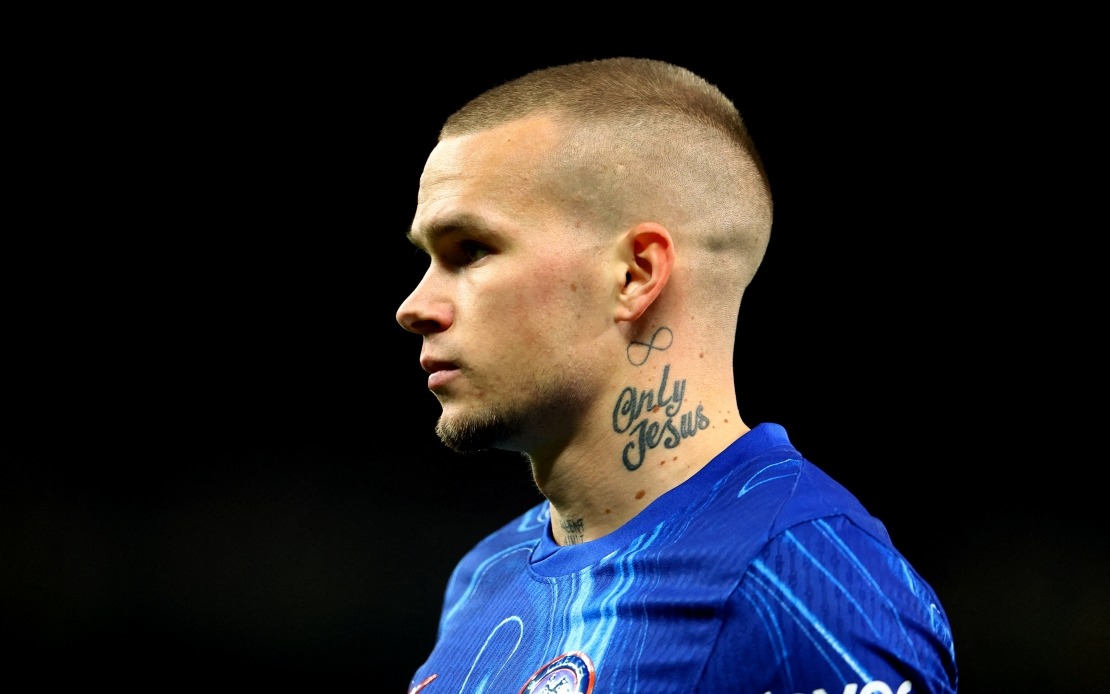
Mykhailo Mudryk can immediately return to competitive football following a landmark resolution between the Football Association, the World Anti-Doping Agency, and the Chelsea winger's legal representatives. The agreement puts an end to a contentious anti-doping case that has overshadowed the Ukrainian's career at Stamford Bridge for more than a year, with both parties accepting a settlement based on evolving scientific standards in testing procedures.
The 25-year-old Ukrainian international faced a four-year ineligibility period after testing positive for meldonium, a substance banned under the World Anti-Doping Code, during 2024. The incident threw his promising stint at Chelsea into jeopardy and raised questions about the circumstances of the substance's presence in his system. Rather than accept the original ban, Mudryk pursued an appeal at the Court of Arbitration for Sport, mounting a legal challenge that has now resulted in his full reinstatement to the game.
Crucially, the resolution hinges on revised World Anti-Doping Agency procedures that were implemented during the appeal process. Under these updated standards, the concentration of meldonium detected in Mudryk's sample would not meet the threshold for reporting as a positive result. This technical development, while not applied retroactively to his case, significantly influenced the decision to resolve the matter through mutual agreement rather than continue protracted litigation. The shift underscores how anti-doping science continues to evolve, with testing laboratories refining their detection methods and reporting protocols.
The Football Association's official statement acknowledged this advancement in scientific reporting standards, noting that had Mudryk's sample been analysed under current technical requirements, no violation would have been recorded. This concession is particularly significant for Southeast Asian football observers, as it demonstrates how international sporting bodies occasionally recalibrate their enforcement mechanisms when new scientific evidence becomes available. The resolution sets a precedent that may influence how similar cases are handled across Asian football jurisdictions that increasingly align with global anti-doping frameworks.
As part of the agreement, Mudryk formally acknowledged committing the anti-doping violations he was originally charged with, accepting a period of ineligibility equivalent to the time already served since the initial ban was imposed. This settlement structure allows both the player and regulatory authorities to claim vindication. For the Football Association, the arrangement preserves the integrity of anti-doping enforcement while recognising legitimate changes in scientific standards. For Mudryk, it represents exoneration under current protocols and removes the reputational damage of an unresolved four-year suspension.
Mudryk joined Chelsea from Ukrainian club Shakhtar Donetsk in January 2023 for £62 million, establishing himself as one of Europe's most promising young wingers before his suspension. In his 73 appearances for the London club prior to the ban, he contributed nine goals and demonstrated the attacking prowess that justified Chelsea's significant investment. His absence has represented not only a loss of on-field talent but also a substantial financial and strategic setback for the club during a critical period of squad rebuilding under successive managers.
Chelsea's official response welcomed the resolution, emphasising the club's unwavering support for the player throughout the ordeal. The statement highlighted how the decision to clear Mudryk allows Chelsea to refocus on his reintegration and career development without the shadow of unresolved disciplinary proceedings. For Malaysian and regional football fans, this outcome illustrates how elite European clubs, despite their commercial pressures, maintain institutional loyalty to players facing genuine procedural injustices. The club's commitment to supporting Mudryk's return demonstrates the value elite organisations place on player welfare beyond immediate competitive considerations.
Mudryk himself expressed profound relief at the resolution, describing the suspension as the most challenging period of his professional career. In an Instagram statement, he emphasised his gratitude for being cleared to return and his determination to look forward despite the ordeal. Throughout the appeal process, the winger consistently maintained that he never knowingly or intentionally used any prohibited substance and could not explain how meldonium traces entered his system. This categorical denial, combined with the technical developments in testing standards, appears to have shaped the negotiated settlement.
His agent, Vadim Shablii, offered further insight into Mudryk's mental resilience throughout the suspension, praising his professionalism and character during one of sport's most testing personal situations. For aspiring athletes across Southeast Asia watching this case unfold, Mudryk's ability to maintain composure and ultimately pursue legitimate legal remedies offers an important lesson in navigating institutional processes, even when outcomes seem overwhelmingly unfavourable. The agent's acknowledgment of those who supported the player throughout also underscores the importance of maintaining trust networks during career crises.
Chelsea now faces the practical challenge of reintegrating Mudryk into squad operations and match fitness. Following an extended period away from competitive play, the winger will require careful management to regain match sharpness and tactical cohesion with his teammates. The club's medical and coaching staff will need to develop a phased return-to-play programme that balances Mudryk's obvious eagerness to resume his career with the physical demands of Premier League football. This reintegration process offers Chelsea an opportunity to demonstrate its commitment to player development and duty of care.
For English football and the broader European game, the Mudryk case highlights ongoing tensions between anti-doping enforcement and evolving scientific standards. While protecting the integrity of competition remains paramount, cases like this one demonstrate that regulatory frameworks must adapt as scientific knowledge improves. The precedent established here may influence how other governing bodies, including those across Southeast Asia, approach appeals involving technical scientific developments.
The resolution also carries implications for Ukrainian football during an extraordinarily challenging period for the nation. Mudryk's return to international availability could eventually boost the Ukrainian national team's attacking options, particularly valuable given the country's ongoing political circumstances. His successful navigation of this legal battle may also reinforce Ukraine's footballing institutions' credibility on the international stage, demonstrating that players from the region can access fair hearing processes within elite football structures.
As Mudryk embarks on the next chapter of his Chelsea career, the resolution of his appeal represents not merely a personal vindication but a broader affirmation that sporting justice systems, despite their complexity and occasional opacity, can ultimately reach outcomes that reflect both procedural fairness and evolving scientific understanding. For the footballer, the opportunity to resume his career immediately offers a chance to reclaim the momentum that his early Chelsea performances had generated before the suspension interrupted his development.

