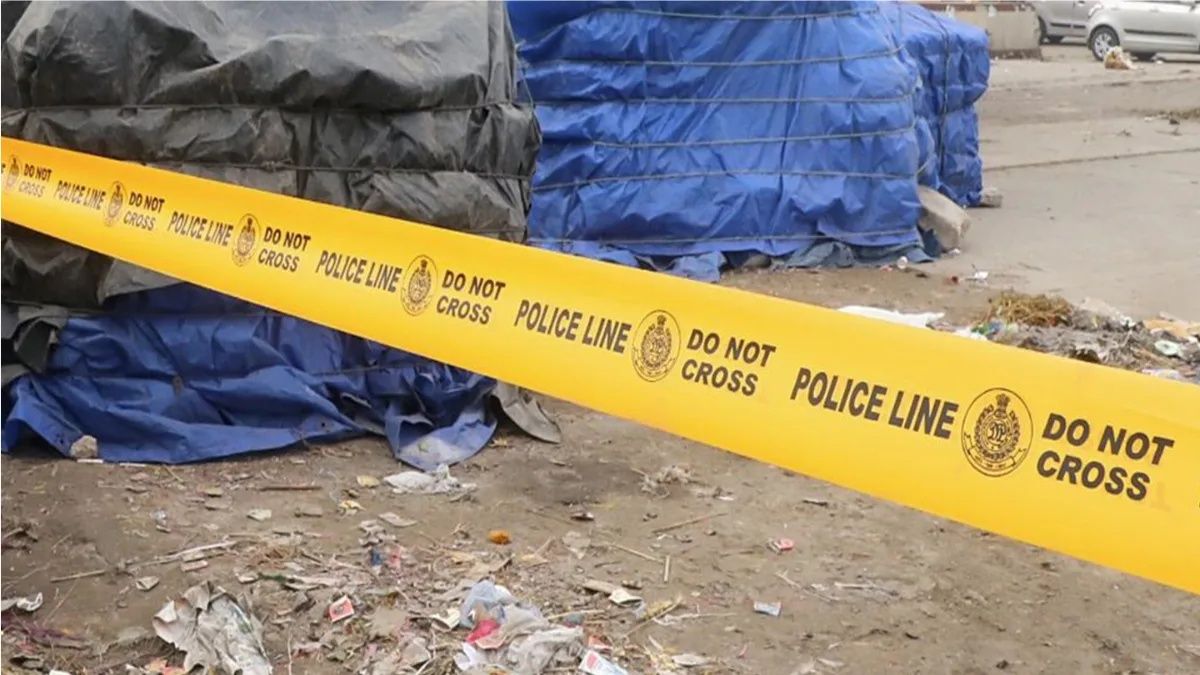
The alleged gang rape and murder of a twelve-year-old girl in Baruipur, located in South 24 Parganas district of West Bengal, ignited a chain of violent events on Sunday that laid bare the explosive tensions surrounding crimes against children in rural India. Her body, discovered in a pond near her home in Suryapur, prompted hundreds of residents to take to the streets in what quickly escalated into a confrontation with law enforcement, culminating in the mob lynching of a suspected perpetrator and widespread disruption to public order.
According to the victim's family account, the girl had ventured out on Saturday evening to purchase food from a local merchant but did not return home. Family members claimed that four unidentified persons had forcibly removed her from the vicinity. The following morning, after an anxious night of searching, the community discovered her lifeless body submerged in a nearby pond, still wrapped in a sack. The grim discovery transformed grief into collective rage, as villagers converged at the location, refusing to permit police authorities to recover the body for examination for several hours.
The immediate response from residents revealed the deep anger permeating the community over crimes targeting minors in the region. Protesters erected barriers across roads and occupied railway tracks at Suryapur station on the Sealdah-Namkhana section, successfully halting train operations for approximately one hour before authorities managed to restore services. Alongside the blockades, demonstrators set fires to tyres, vandalised vehicles, and directed their ire at officials, demanding swift action against those responsible for the crime. The intensity of public sentiment reflected not merely the gravity of this single incident, but accumulated frustration with child safety and accountability mechanisms across rural West Bengal.
During the tumultuous protests, matters escalated when local residents identified a youth they suspected of complicity in the crime. An angry mob set upon him in what constituted a fatal lynching, claiming they had witnessed him in association with some of the accused. Despite police efforts to intervene and extract him from the crowd, officers encountered fierce resistance as protesters hurled stones and caused damage to vehicles. Multiple police personnel sustained injuries during these confrontations, with at least one officer requiring hospitalisation. The incident underscores the broader challenge authorities face when attempting to impose order amid emotionally charged public demonstrations, particularly in cases involving vulnerable victims.
Law enforcement authorities have confirmed the arrest of two individuals in relation to the girl's death, while a third suspect was apprehended by residents and subsequently handed into police custody. However, the family's assertion that four persons were involved suggests the investigation remains incomplete and active. The police response involved deploying substantial forces to the area, stabilising the situation sufficiently to convince protesters to dismantle their blockades by Sunday afternoon. Senior officials acknowledged the challenge of managing public sentiment whilst conducting a proper investigation into both the original crime and the subsequent mob violence.
Inspector General of Police Kankar Prasad Barui made a personal appearance at the site to address the assembled crowd, deploying both conventional and psychological approaches to restore calm. His public assurances emphasised that no perpetrator would escape justice and that the state would pursue the most severe penalties available under law. He committed to expediting the post-mortem examination in accordance with legal protocols and pledged an exhaustive investigation. These statements, delivered through public address systems to the gathered masses, attempted to redirect violent impulses toward faith in institutional mechanisms of justice, a challenging message to convey when public trust in the criminal justice system remains fragile.
West Bengal Chief Minister Suvendu Adhikari engaged directly with the victim's father via telephone, promising that the accused would face maximum legal consequences. The Chief Minister extended an invitation for the bereaved parent to visit the state secretariat at Nabanna on the following Tuesday to discuss the matter further and pledge government resources toward justice. This intervention at the highest political level reflects the sensitivity with which state authorities treat such crimes, particularly given the potential for political mobilisation around child safety issues and law enforcement efficacy.
The discovery and subsequent turmoil in Baruipur exemplifies patterns that have emerged across India's rural and semi-urban areas, where crimes targeting children catalyse spontaneous mob justice when communities perceive institutional failures or delays in the legal system. The lynching of a suspected perpetrator, while a manifestation of public rage, also demonstrates how quickly vigilante violence can eclipse legitimate protest and complicate law enforcement's ability to secure evidence and conduct impartial investigations. Police have now shifted focus to examining both the original crime and the circumstances of the mob attack on officers, creating parallel investigative threads.
Security measures have been intensified throughout the affected region as officials work to prevent renewed eruptions of violence. The incident will likely prompt discussions within police circles about techniques for managing large, emotionally volatile crowds whilst protecting suspects from mob justice. For Malaysian observers, the Baruipur case offers cautionary context regarding how inadequate institutional responses to serious crimes can erode public confidence and trigger alternative justice mechanisms that ultimately obstruct rather than facilitate accountability. The case also highlights persistent vulnerabilities faced by children in rural South Asia and the urgent need for stronger preventive mechanisms, faster investigative processes, and greater judicial efficiency in safeguarding the most vulnerable populations from both predatory violence and the secondary trauma of systemic indifference.

