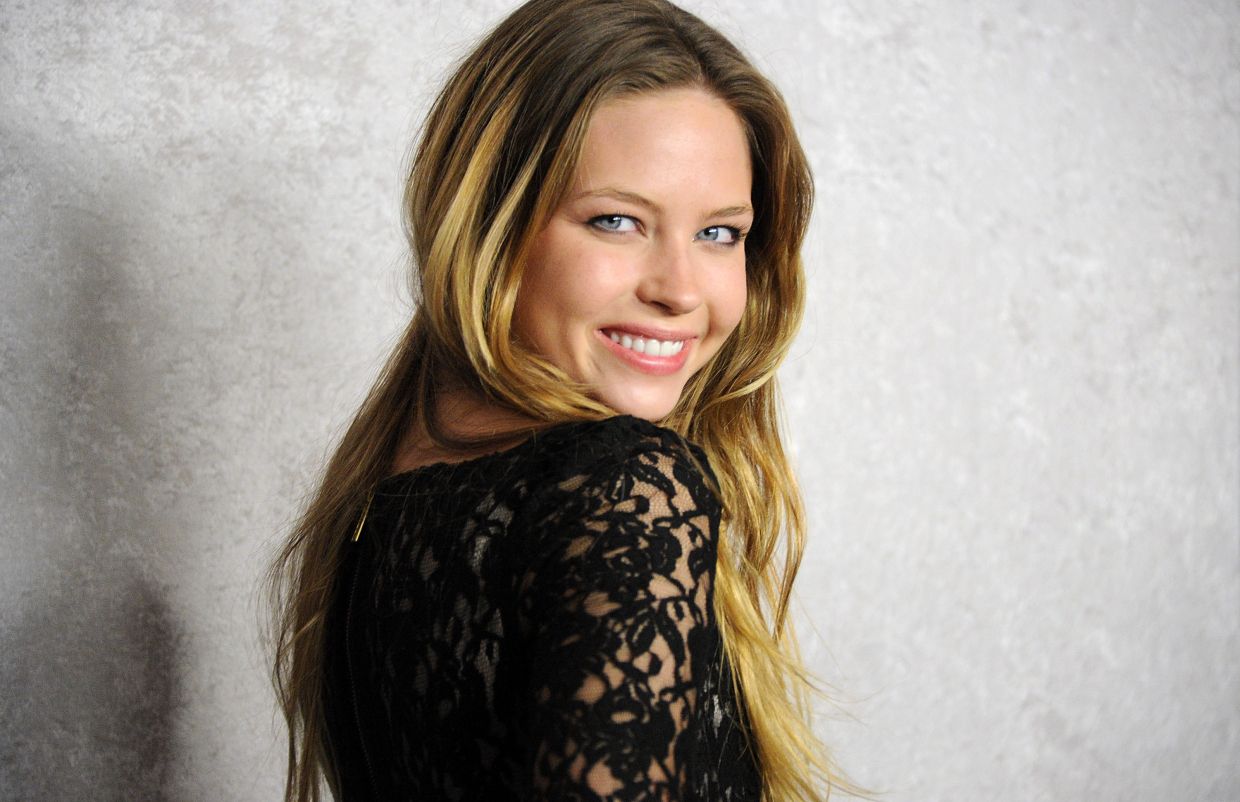
Daveigh Chase, the former child star whose voice brought the character Lilo to life in Disney's animated classic Lilo & Stitch, has left behind an estate valued at approximately RM1.6 million, according to probate filings submitted to a Los Angeles Superior Court. The revelation presents a stark contrast to the actress's final circumstances, having spent her last years living on the streets before her death in June at the age of 35.
Chase's mother, Cathy Chase, filed for appointment as administrator of the estate earlier this month, initiating formal probate proceedings. The court has scheduled a probate hearing for August 12 to address the administration of the assets and determine how the substantial inheritance will be distributed. As part of the process, Cathy Chase has requested court approval for a US$400,000 bond, a standard requirement in probate cases involving significant estates. The discrepancy between Chase's net worth and her living situation underscores broader issues surrounding wealth management, mental health support, and the precarious circumstances many former child performers face in adulthood.
Chase died on June 16 at a Los Angeles hospital following complications related to acquired immunodeficiency syndrome (AIDS). Her father revealed to reporters at the time that she had been residing without stable housing in proximity to the medical facility where she ultimately passed away. The Los Angeles medical examiner's report identified AIDS as the primary cause of death, with mixed drug use documented as a significant contributing factor. This combination of health crises highlighted the vulnerability of someone who, despite once commanding substantial earnings in the entertainment industry, found herself without adequate support systems or access to necessary medical care and housing.
Chase's career trajectory exemplifies the complex reality of child stardom in Hollywood. She initially gained prominence through her work as a voice actress and performer in the early 2000s, when she was in high demand across multiple entertainment projects. Her portrayal of Lilo in Disney's Lilo & Stitch became her most recognizable contribution to popular culture, establishing her as a recognizable figure among audiences who grew up watching the film. However, the transition from child performer to adult career proved challenging, as is often the case for young entertainers whose public profile was established during their formative years.
The actress's professional presence in the industry diminished substantially over the following years. By 2016, Chase had effectively withdrawn from acting altogether, with her final credited film roles appearing that same year. The decision to leave the entertainment industry marked a significant turning point in her life, though the circumstances surrounding her exit and subsequent years remain largely undocumented in public records. The gap between her departure from the spotlight and her death represents a period of approximately seven years during which her situation deteriorated significantly, ultimately resulting in homelessness and serious health complications.
In 2017, Chase's circumstances took an additional troubling turn when she became entangled with the criminal justice system. She was arrested following accusations that she fled the scene of an incident involving a dying man discovered outside a hospital. While investigators determined that Chase was not suspected of involvement in the man's death itself, she was reportedly sought on an outstanding warrant at the time of her apprehension. This arrest represented one of the few documented public incidents during the later years of her life and signalled the depth of her personal struggles during that period.
The existence of a substantial estate despite her homelessness raises important questions about asset management and access to resources for individuals in crisis. Several possibilities could explain the situation: Chase may have inherited money or retained assets from her earlier successful career that remained largely untouched or inaccessible during her period of homelessness. Alternatively, the estate could comprise property or investments that were beyond her immediate control or awareness. Such situations highlight how wealth alone does not guarantee access to basic necessities when individuals face mental health challenges, substance use issues, or family and social disconnection.
For Malaysian readers familiar with similar cases in Asian entertainment industries, Chase's story offers cautionary lessons about the long-term welfare of child performers. The absence of robust support systems, career counselling, and financial management guidance for young entertainers as they transition to adulthood remains a concern across the region. Many countries, including Malaysia, have seen their own child stars face difficulties in maintaining stable careers and personal wellbeing following early success in film and television.
The probate proceedings now underway will determine how Chase's RM1.6 million estate is distributed and whether her mother can effectively serve as administrator. The August 12 hearing represents an opportunity for the legal system to address the formal resolution of her financial affairs, though it cannot undo the circumstances that led to her death or the years of hardship she endured. The case serves as a sobering reminder of the vulnerability of former child stars and the importance of comprehensive support systems that extend beyond the years of active professional engagement in entertainment.

