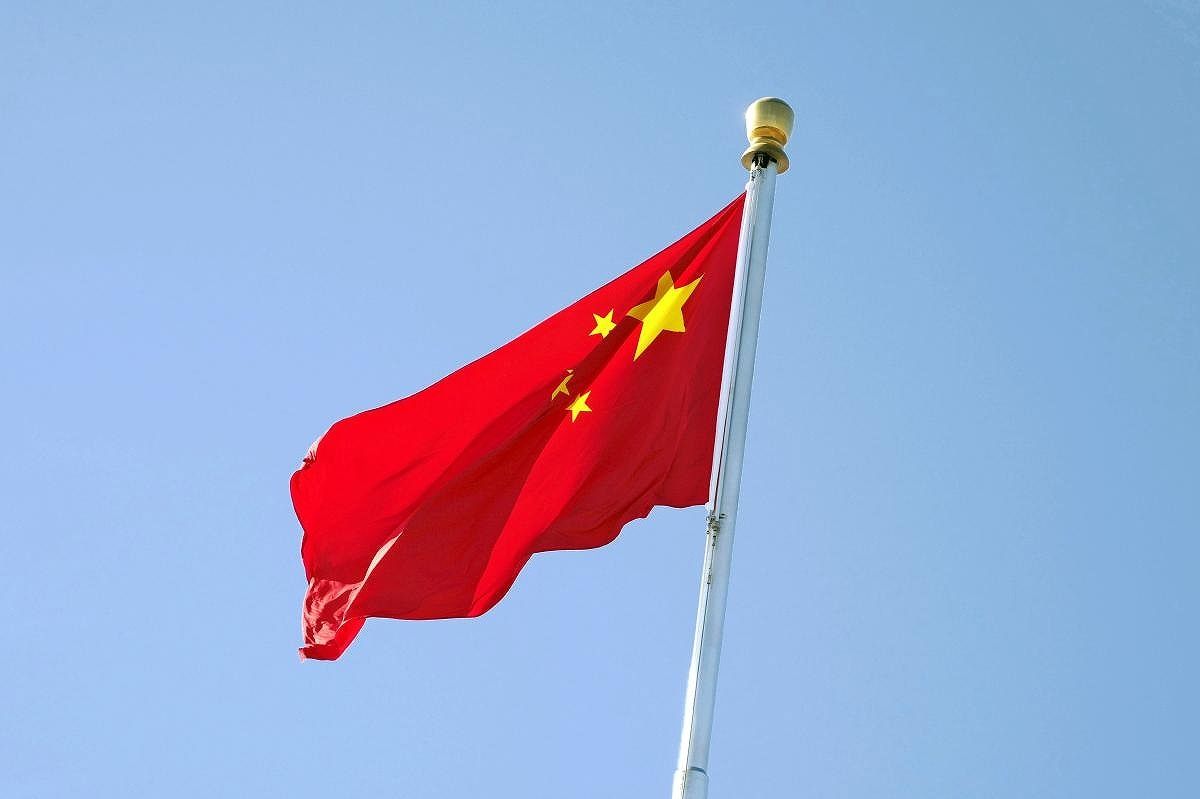
Beijing has moved to formally arrest two Japanese citizens who work for Fuji Electric Co., escalating a case that began with their detention in the coastal city of Dalian during May. Japanese government officials confirmed on Wednesday that the two men were formally taken into custody in mid- and late June, marking a significant shift from their initial detentions to criminal prosecution under Chinese law.
The employees of the major Japanese electronics manufacturer are suspected of breaching China's strict regulations governing the export of rare earth materials, commodities that carry strategic importance for numerous industrial applications. As one of the world's largest producers of rare earth elements, China maintains comprehensive legal frameworks controlling their movement across borders, and violations of these export restrictions are treated as serious offences that can result in substantial penalties.
Authorities initially apprehended the two men on May 18 and May 25 respectively, with officials alleging they had engaged in smuggling of prohibited goods in contravention of Chinese law. The interval between their detentions and formal arrests, spanning approximately three to four weeks, reflects standard Chinese investigative procedures that precede formal criminal charges. Throughout their custody, Japanese consular staff have maintained contact with both individuals and have verified that neither man is experiencing health complications.
The case carries particular significance for Japanese business interests in China, where thousands of Japanese firms operate across manufacturing, technology, and export sectors. Fuji Electric, a major industrial conglomerate with substantial operations throughout Asia, has not publicly commented on the arrests or the specific circumstances surrounding the alleged violations. The incident underscores the intricate compliance challenges that foreign companies navigate when operating within China's heavily regulated resource sectors.
Rare earth elements remain central to modern technology manufacturing, used extensively in electronics, renewable energy systems, defence equipment, and countless consumer products. China's dominance in rare earth production—controlling roughly 70 per cent of global extraction and nearly all processing capacity—has made its export regulations a critical concern for international manufacturers and governments seeking to secure supply chains. Violations of these export controls can trigger diplomatic tensions between trading partners and damage commercial relationships.
Japanese Chief Cabinet Secretary Minoru Kihara addressed the situation during a press briefing, stating that Tokyo would maintain communication with the detained nationals and coordinate with relevant parties to ensure protection of Japanese citizens abroad. His measured response reflected the delicate diplomatic balance Japan must maintain with Beijing, avoiding inflammatory rhetoric while pressing for fair treatment of its nationals within the Chinese legal system. However, Kihara declined to elaborate extensively, citing the ongoing investigative nature of the case.
Judicial proceedings are anticipated to unfold entirely within the Chinese legal system, meaning the two men will face trial in Chinese courts subject to Chinese criminal procedure. This arrangement limits direct Japanese intervention in the proceedings, though the Japanese government retains the right to provide consular assistance and monitor compliance with international legal standards regarding detention conditions and fair trial rights. The outcome will likely depend on how Chinese prosecutors characterise the alleged violations and what evidence they present.
For Malaysian and broader Southeast Asian observers, this incident illustrates the vulnerabilities that multinational corporations face when dealing with China's export-control regimes. Companies operating across the region who source materials from China or engage in cross-border supply chain activities must carefully manage compliance with Beijing's regulatory frameworks. The case demonstrates that enforcement can be swift and stringent, potentially disrupting operations and exposing personnel to criminal liability.
The timing of these arrests, occurring during a period of broader geopolitical friction between Japan and China, may carry additional diplomatic weight. While the Chinese government characterises the case as a straightforward enforcement matter, Japanese officials view it partly through the lens of bilateral relations and the protection of their nationals. The case will likely attract attention from business associations and foreign policy establishments across Asia monitoring how China treats foreign nationals accused of violations.
For Fuji Electric, the implications extend beyond the immediate situation of its two employees. The company faces potential reputational concerns, questions about its compliance procedures, and possible business complications in China should the allegations prove substantiated. Japanese exporters and manufacturers throughout the region will likely review their own rare earth procurement and export practices to ensure they do not face similar enforcement actions.
The investigation's progression will unfold within China's judicial system over coming months, with formal charges expected to be announced once preliminary investigations conclude. The Japanese government has signalled it will remain engaged with the case while respecting China's sovereignty over criminal matters occurring within its borders—a careful diplomatic position that reflects Tokyo's broader strategy of maintaining functional relations with Beijing despite underlying tensions.
This episode underscores how economic interdependence between major trading partners can create friction points where regulatory enforcement intersects with diplomatic sensitivities. For companies operating across Asia and depending on Chinese supply chains or markets, the case serves as a reminder that compliance with local regulations requires sustained attention and sophisticated understanding of evolving enforcement environments.

