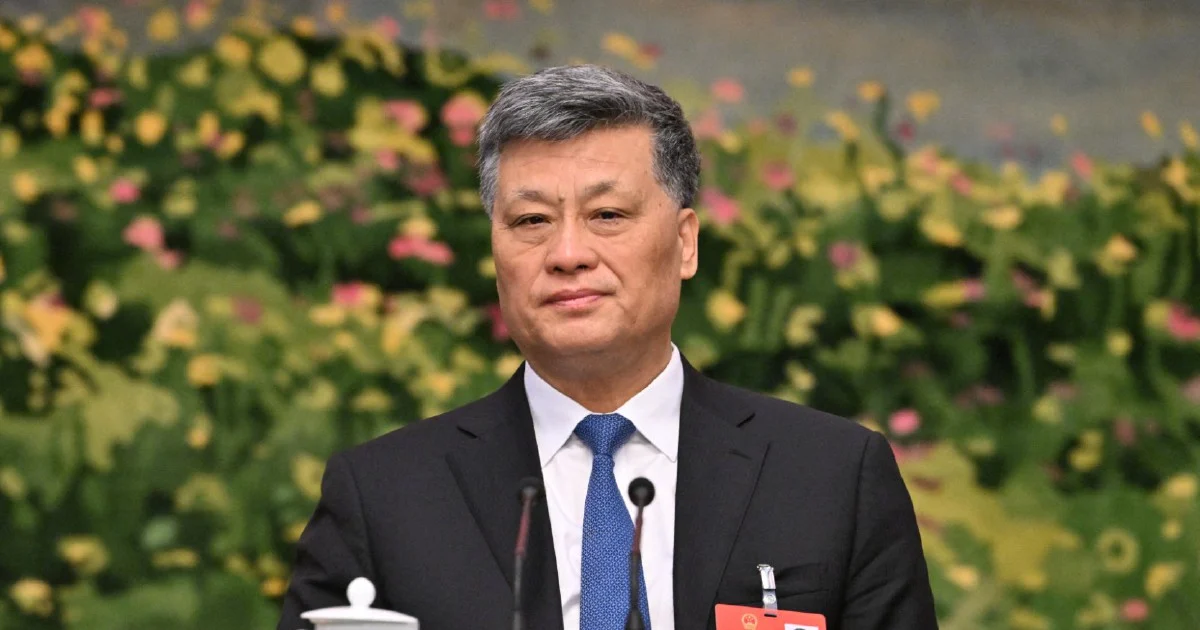
Beijing's disciplinary apparatus has moved against a prominent former administrator who once held significant authority in Xinjiang, the expansive western region that sits at the intersection of Chinese governance concerns and international scrutiny. The individual has been ejected from the Communist Party and relieved of every official position, as authorities concluded a multi-layered corruption probe into conduct spanning nepotism, acceptance of bribes, and sexual misconduct. State media outlets disclosed the decision Tuesday, signalling another chapter in the Chinese leadership's periodic anti-corruption campaigns that have reshaped the country's bureaucratic landscape over the past decade.
The specific nature of the allegations—encompassing family favouritism in job allocation, acceptance of improper financial gain, and the patronage of commercial sexual services—paints a picture of institutional decay that Party leadership views as corrosive to governance legitimacy. These charges represent a convergence of administrative malfeasance that strikes at multiple dimensions of Communist Party ethics codes, from fiscal discipline to personal conduct standards. The expulsion underscores how Beijing channels its anti-graft messaging through selective enforcement against individuals in provincial and regional hierarchies, particularly in politically sensitive areas like Xinjiang.
Xinjiang holds extraordinary strategic weight in Chinese policy calculations. The region encompasses roughly one-sixth of Chinese territory, sits astride critical Belt and Road Initiative corridors linking China to Central Asia and beyond, and contains hydrocarbon reserves and mineral deposits vital to national development. Administrative control in such a consequential jurisdiction means that institutional integrity becomes a matter of state concern. The appointment and supervision of officials in Xinjiang therefore attracts the highest levels of Party scrutiny, and misconduct in senior positions carries reputational implications extending well beyond routine provincial corruption investigations.
The timing and visibility of this expulsion reflect how the Party's Central Commission for Discipline Inspection, China's internal anti-corruption watchdog, maintains institutional pressure against backsliding within regional administrations. Rather than quietly managing such matters through closed bureaucratic channels, Beijing's decision to publicise the expulsion via state media serves multiple purposes: demonstrating to observers both within and outside China that no rank confers immunity, reinforcing messaging about Party rectitude, and reasserting central authority over wayward regional power structures. For officials throughout the system, such announcements function as cautionary signposts.
The scale of corruption described—touching on family connections, financial dishonesty, and personal indulgence—mirrors patterns that have emerged repeatedly in China's decade-long anti-corruption drive initiated under President Xi Jinping. These campaigns have ensnared hundreds of thousands of officials from township-level administrators to provincial governors and military leaders. The consistency of charges across these expulsions suggests systemic vulnerabilities within bureaucratic institutions where access to state resources and regulatory power creates temptation and opportunity for abuse. The targeting of former officials, rather than those currently wielding power, also illustrates how such investigations can extend across administrations and appointment cycles.
For regional administrations watching from their own domains, the message carries particular weight. Officials in other sensitive regions—Tibet, for instance, or autonomous areas managing minority populations—will note that past misconduct eventually comes to light and extraction of consequences remains possible regardless of tenure length. This creates a deterrent effect that Beijing credits as integral to maintaining governance standards. The former official's removal from all posts additionally vacates his potential influence networks, disrupting any remaining relationships he might leverage or protection he might receive from allies within the system.
International observers monitor such proceedings not merely for anti-corruption signalling but for what they reveal about factional dynamics and power restructuring within the Party elite. Expulsions from senior ranks sometimes reflect political rivalries cloaked in corruption language, while they simultaneously demonstrate the Communist Party's capacity to discipline its own membership when public credibility demands it. For countries assessing China's institutional reliability as an investment partner or diplomatic interlocutor, such actions suggest mechanisms exist for addressing official misconduct, though questions persist about the consistency and transparency of their application.
The enforcement action also carries implications for Southeast Asian nations maintaining bilateral relationships with Chinese provincial governments and state enterprises. Officials and commercial entities engaged with Xinjiang-based institutions need to understand that Chinese authorities maintain active oversight of administrative conduct, which can affect continuity of agreements and relationships. The removal of a senior figure may necessitate recalibration of established networks and communication channels, potentially disrupting mid-level operations even as formal diplomatic relations remain steady.
China's willingness to pursue expulsion and complete removal of former administrators demonstrates that political rehabilitation or quiet retirement remain unavailable to those found grossly delinquent. The permanence of such sanctions—loss of Party membership and all positions simultaneously—marks a definitive severance from the official apparatus. For a country where membership in the Communist Party determines access to privilege and influence, such expulsion amounts to substantial punishment extending into retirement and civilian life.

