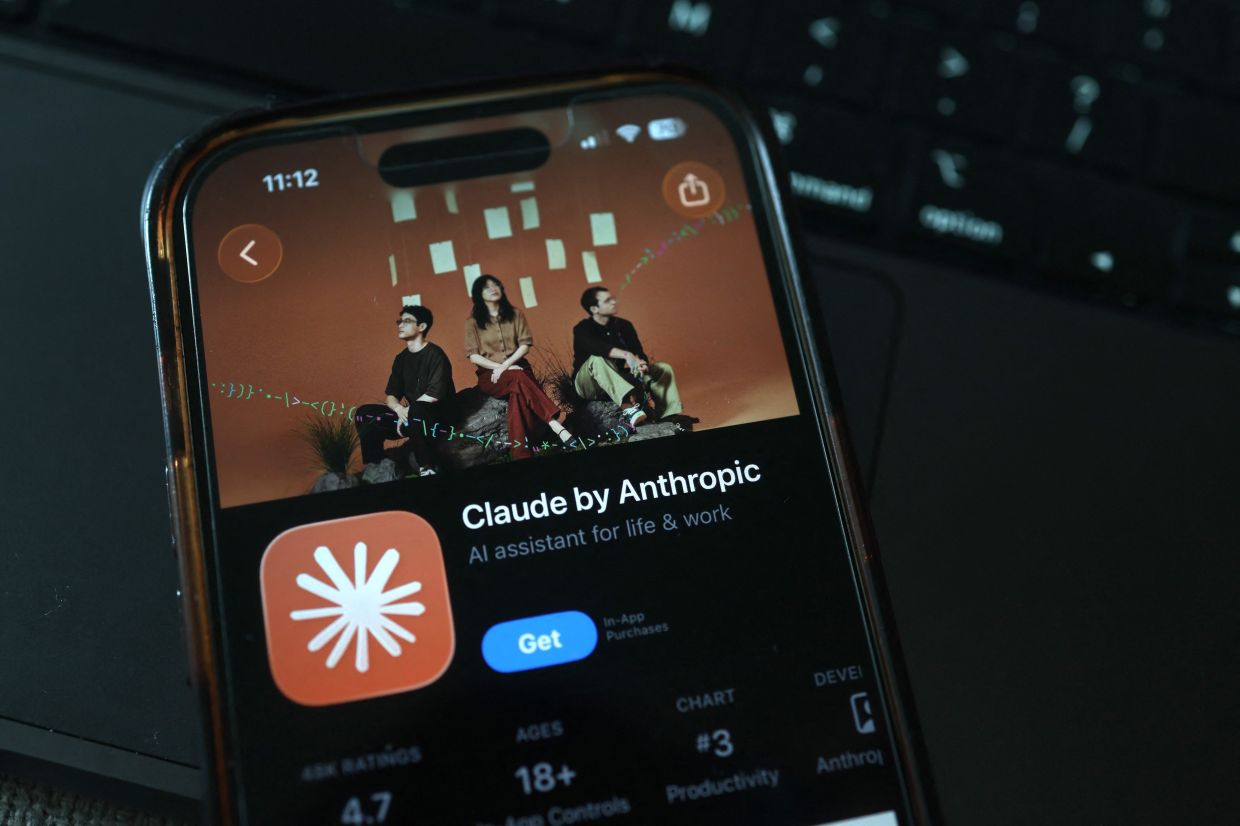
Anthropic, the San Francisco-based artificial intelligence company, faces mounting scrutiny from Chinese authorities over alleged security vulnerabilities in Claude Code, its AI-powered software development tool. China's National Vulnerability Database has raised alarms about what it characterises as a "security backdoor" that could potentially expose users' sensitive information, including location data and identity-related identifiers, by transmitting such information back to Anthropic's servers without explicit user permission.
Claude Code functions as an intelligent coding agent capable of automatically generating computer code, identifying and fixing software bugs, and analysing code quality based on natural language instructions from developers. The tool has gained traction among programmers globally for its ability to streamline routine coding tasks and accelerate software development cycles. However, the tool's increasing adoption has now collided with heightened cybersecurity sensitivities in China, where government agencies maintain strict oversight of foreign technology infrastructure and data handling practices.
The concern takes on additional weight given its source. The National Vulnerability Database operates under the authority of China's Ministry of Industry and Information Technology, positioning it as an official voice on cybersecurity matters within the country. In a public advisory released on its website, the NVDB stated it had identified security backdoor risks within Claude Code that posed "a severe threat" to users and organisations. The database subsequently recommended that relevant institutions and individual users conduct comprehensive security audits of their systems and either uninstall the tool entirely or upgrade to a patched version from which the problematic code has allegedly been removed.
Anthropic has already implemented access restrictions preventing users and organisations within China and other nations it considers adversarial from officially using its products through standard channels. However, these restrictions remain porous, as technically sophisticated users can circumvent them through virtual private networks or third-party proxy services, creating potential vulnerabilities that concern Chinese regulators. The company has thus far declined to comment publicly on the allegations through major news organisations, maintaining silence on the specific technical claims raised by Beijing's cybersecurity authorities.
The company did receive some public response from within its own ranks. Thariq Shihipar, an engineer at Anthropic involved with Claude Code, addressed the controversy through social media posts, providing context that reframed the disputed monitoring mechanism. According to Shihipar's explanation, the data collection and tracking functionality was implemented as a temporary experimental measure launched in March, designed specifically to prevent account abuse originating from unauthorised software resellers and to protect Anthropic's proprietary AI models from being duplicated through a technique known as distillation. The engineer indicated that the engineering team had since developed more sophisticated safeguards and had been planning to remove this tracking feature for some time already.
This explanation hints at an escalating technological rivalry between Anthropic and Chinese competitors. The company has previously levelled accusations against Alibaba, the Chinese e-commerce and technology conglomerate, alleging that the firm engaged in reverse-engineering Anthropic's AI models to create functionally similar versions through the distillation process. Such allegations underscore the competitive pressures and intellectual property concerns driving technology development in the AI sector, where creating capable language models requires enormous computational resources and training data investments. This broader context transforms the security backdoor allegation from a simple technical vulnerability into a flashpoint in geopolitical technology competition.
Alibaba itself has responded decisively to the security concerns. The company announced an internal prohibition on Claude Code usage effective from July 10, according to individuals with knowledge of the decision. This move signals significant concern within China's technology sector about potential vulnerabilities in foreign AI tools and reflects the heightened caution with which Chinese organisations now approach accessing software developed by Western companies. The decision by one of Asia's largest technology firms to restrict employee access carries symbolic weight, potentially prompting other Chinese organisations to conduct similar security reviews of their own AI tool usage.
For Malaysian and broader Southeast Asian technology companies and developers, these events carry several implications. Southeast Asia has emerged as a crucial market for AI adoption, with organisations across the region increasingly integrating AI coding tools into their development workflows. The security controversy raises important questions about the due diligence processes companies should conduct before deploying foreign-developed AI tools, particularly regarding data handling, transmission practices, and alignment with local regulatory expectations. The incident demonstrates that even from established, well-known providers, potential security risks can emerge and require active monitoring.
The situation also highlights the intensifying divide between Western and Chinese technology ecosystems. As AI capabilities become increasingly central to economic competitiveness, governments worldwide are scrutinising how foreign AI systems operate within their borders, what data they collect, and where that data flows. For regional organisations operating in multiple markets simultaneously, navigating these diverging security regimes and national policies presents genuine operational complexity. Companies must now carefully evaluate not only the technical capabilities of AI tools but also their governance structures, transparency practices, and alignment with various national security frameworks.
Anthropic's response timeline also warrants attention. The engineer's indication that the problematic functionality would be "fully rolled back" in the July 2 release suggests the company is moving swiftly to address concerns, potentially preempting further regulatory action. However, the incident has already inflicted reputational damage and created uncertainty about the tool's trustworthiness in the Chinese market. For a company seeking to establish itself as a responsible AI developer, such controversies underscore the critical importance of transparent communication about data practices and proactive security measures that anticipate regulatory expectations across different jurisdictions.

