China's Ministry of Foreign Affairs has formally commended Prime Minister Datuk Seri Anwar Ibrahim for his unwavering commitment to the one-China principle, particularly following his recent statements on Taiwan during an international media interview. The public endorsement from Beijing underscores the diplomatic alignment between Malaysia and China on a cornerstone issue of Chinese foreign policy, demonstrating Kuala Lumpur's strategic positioning in Southeast Asia's complex geopolitical landscape.
The Chinese Foreign Ministry's spokesperson posted remarks on the social media platform X on Wednesday, highlighting Anwar's position on the Taiwan question as reflecting a steadfast adherence to principles that Beijing considers foundational to regional stability. The statement further emphasized that nothing would impede China's path toward national reunification, framing the matter as an immutable element of Chinese strategic objectives rather than a negotiable diplomatic issue.
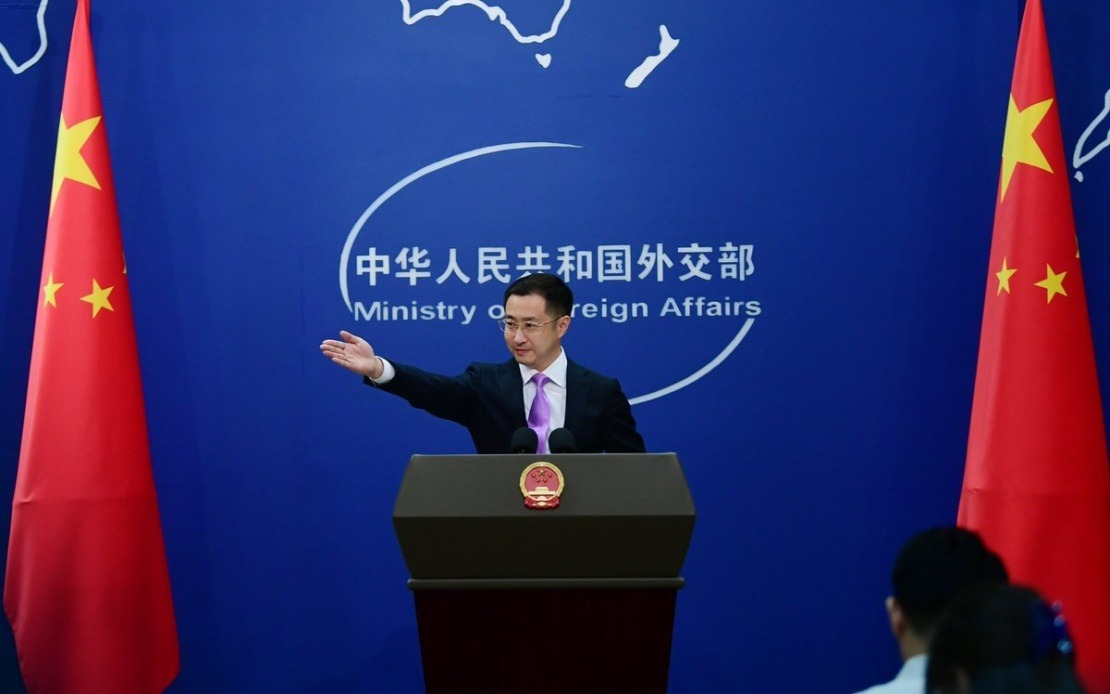
During a regular press briefing in Beijing on Wednesday, Chinese Foreign Ministry spokesperson Lin Jian expanded on Beijing's perspective, characterizing support for the one-China principle as both historically grounded and ethically justified. Lin's remarks reflected the standard formulation that Taiwan constitutes an inalienable component of China's sovereign territory, while portraying reunification as an inevitable historical trajectory that no external force could reverse or delay indefinitely.
Anwar's position, articulated in a recent interview with Al Jazeera, stated unambiguously that Taiwan should be regarded as part of China. The Malaysian Prime Minister's framing as "one China, accepted by all" represents a diplomatic assertion that Beijing's interpretation of cross-strait relations enjoys broad international legitimacy and consensus. This characterization carries particular weight given Malaysia's position as a major Southeast Asian economy and a nation with substantial Chinese diaspora communities.
Malaysia's diplomatic stance on Taiwan reflects broader geopolitical realities shaping the region. As a significant trading partner with both China and Western nations, Malaysia has historically maintained careful balance in its international relationships. Anwar's clear articulation of support for the one-China principle aligns Malaysia with the position held by most United Nations member states and reflects the practical constraints facing nations navigating between major powers with competing interests.
The timing of China's public commendation suggests Beijing values explicit statements of support from regional partners, particularly from nations with historical ties to Taiwan through business, cultural, and family connections. By highlighting Anwar's remarks, China signals to other regional governments the diplomatic benefits of unambiguous alignment on this foundational issue. For Malaysia, such recognition from Beijing carries implications for bilateral economic cooperation and regional influence.
From a Malaysian perspective, the government's consistent messaging on the one-China principle serves multiple functions. It demonstrates commitment to one of the United Nations' core principles, maintains productive relations with China as both major trading partner and regional power, and avoids unnecessary friction with an economically significant neighbor. The official position also reflects the constitutional and legal framework within which Malaysia operates internationally.
China's repeated emphasis that reunification represents an "unstoppable historical trend" reflects Beijing's determination to frame the issue not as a matter of current political negotiation but as an inevitable outcome of historical forces. This framing attempts to discourage external intervention while signaling to the international community that Beijing's resolve on this question is immutable and non-negotiable.
For Southeast Asian nations including Malaysia, navigating statements on Taiwan requires careful consideration of multiple interests. While maintaining clear positions on the one-China principle aligns with international law and the recognized government of China, Southeast Asian countries must simultaneously preserve practical relationships with Taiwan as an economic entity and prevent cross-strait tensions from destabilizing the region. Malaysia's approach reflects this balancing act through consistent diplomatic messaging while maintaining discrete commercial and practical relationships across the strait.
The broader context involves China's intensifying efforts to consolidate international support for its Taiwan position amid ongoing tensions. High-profile endorsements from regional leaders like Anwar Ibrahim provide Beijing with diplomatic ammunition when engaging with other nations and international organizations on this sensitive question. For Malaysia, public alignment with Beijing's core position potentially generates goodwill in bilateral negotiations on trade, investment, and strategic cooperation.
China's diplomatic response also carries implications for Malaysia's relationships with other powers and regional partners. Nations with competing interests regarding Taiwan's status—including the United States and its allies—monitor such public statements carefully. Malaysia's explicit positioning, while consistent with its international legal obligations and historical policy, reflects the practical reality that most nations recognize Beijing rather than Taipei in the United Nations and international forums.

