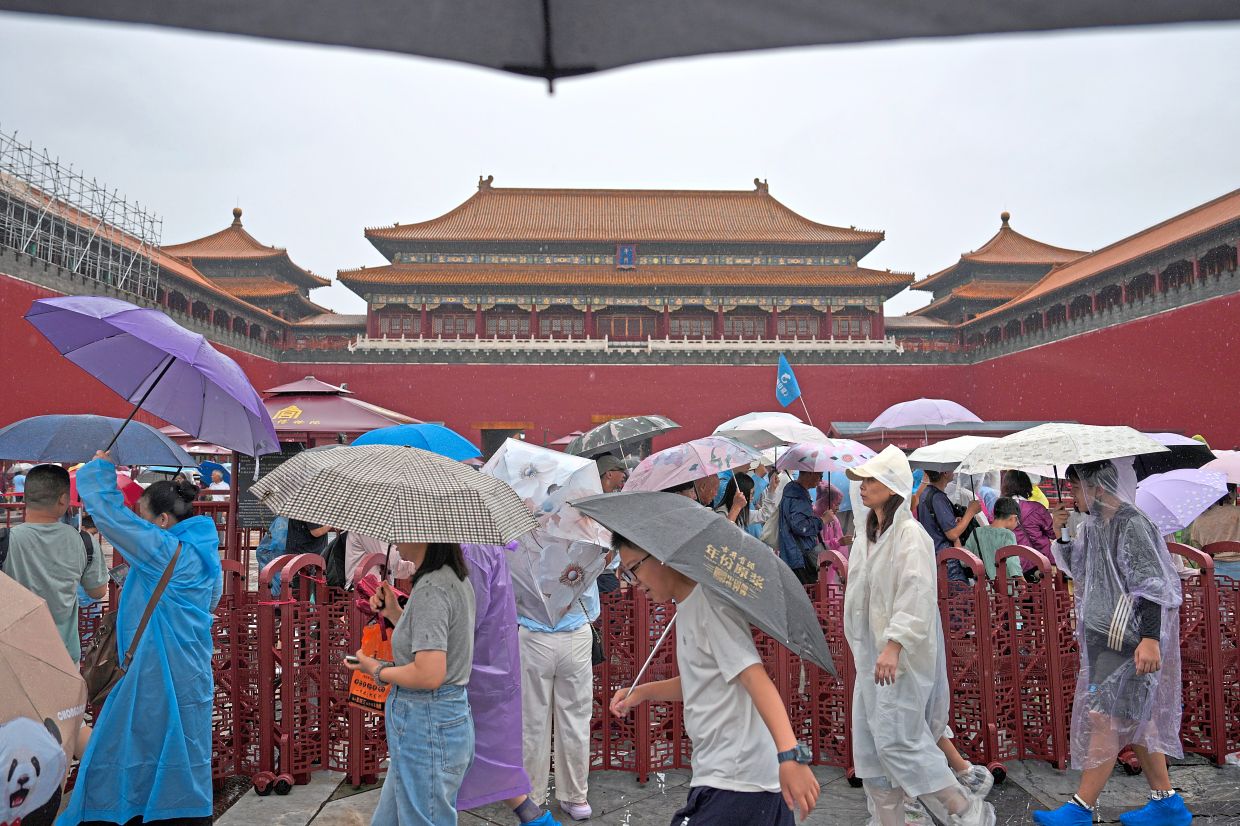
China's aggressive push to recapture the international tourism market has yielded tangible results, with foreign visitor numbers and spending rebounding to record highs in 2025 for the first time since the pandemic disrupted global travel. The recovery marks a significant shift in Asian tourism patterns, with implications for competing destinations including Malaysia, Thailand, and Japan. A 28-year-old Singaporean traveller named Claire Thum exemplifies this trend—she credits viral social media content showcasing China's diverse attractions with inspiring her first visit to the country, beginning with Shanghai's trendy neighbourhoods before planning expeditions to Yunnan, Xinjiang, and Harbin.
Beijing's strategic pivot toward tourism promotion began in earnest during 2023, when authorities initiated a phased expansion of visa-free travel access for 50 nations. The initial rollout encountered headwinds as lingering concerns about pandemic-era restrictions and diminished flight capacity constrained the influx. However, momentum has accelerated substantially, driven by a coordinated digital marketing campaign executed across international platforms—notably including Western social media channels that remain restricted within China itself. This openness represents a striking departure from previous practice, demonstrating the government's determination to reshape global perceptions of the country.
The convergence of favourable international sentiment and cultural trends has amplified China's appeal. Pew Research Centre data recorded unprecedented positive views of China in multiple countries during 2025, partially attributable to shifting perceptions of the United States under Donald Trump's administration. Simultaneously, social media phenomena including "Chinamaxxing"—whereby Western audiences embrace habits associated with Chinese culture, from consuming hot tea to adopting wellness practices—have generated organic interest among younger demographics. Olivia Plotnick, founder of Shanghai-based marketing consultancy Wai Social, notes that international visitors increasingly regard Shanghai as a contemporary rival to Tokyo, marking a significant psychological reorientation in Asia's luxury travel hierarchy.
Statistical evidence underscores this transformation. According to China's National Bureau of Statistics, approximately 35 million foreign tourists arrived last year, positioning the country alongside established Asian tourism powerhouses. This figure exceeds Thailand's annual tourist intake and approaches both Japan and Malaysia. The National Immigration Administration reported that visa-free entry has become the dominant channel, accounting for over 70 percent of arrivals last year—a 50 percent increase from 2024. In the first half of 2026, 18 million people entered via visa-free arrangements, driving total foreign arrivals up 20 percent. Leading source markets with visa-free privileges include South Korea, Russia, Malaysia, and Thailand, though Japanese visitor numbers have declined following diplomatic tensions.
Local and central authorities have mobilized substantial financial resources to capitalize on this momentum. Beijing allocated an additional CNY2.64 million (RM1.26 million) in 2026 specifically for tourism management and online promotion initiatives—a noteworthy commitment given typically constrained local fiscal conditions. The municipal government deployed portions of these funds toward incentivizing travel agencies to recruit foreign-language tour guides, directly addressing infrastructure gaps. Shanghai has committed at least CNY1.6 million to promotional campaigns on major booking platforms including Expedia and Booking.com. More innovatively, numerous tourism officials have circumvented China's internet restrictions by establishing accounts on X and TikTok to target international audiences directly. In Chongqing, the deputy director general of tourism Zhu Mao explicitly stated intentions to leverage influencer partnerships and celebrity endorsements—including basketball star Stephen Curry—to manufacture viral momentum around the mountainous metropolis.
The consumption patterns of international visitors reveal opportunities extending beyond traditional sightseeing. Foreign travellers increasingly prioritize experiences reflecting contemporary Chinese life rather than historical monuments alone. High-technology showcases at Huawei and DJI, collectible toy stores styled as theme parks, and casual dining at chains like Haidilao have become travel circuit staples. Bobo Rok, founder of artificial intelligence-powered tour guide service Kora, emphasizes that tourists encountering everyday urban life develop deeper engagement than those confined to heritage sites. This shift toward experiential tourism has injected vitality into China's underperforming domestic retail sector, which has struggled with anaemic consumer spending and a faltering real estate market.
Geopolitical disruptions have unexpectedly benefited China's aviation sector and transit tourism. The escalating conflict in West Asia has driven airfare inflation and prompted international travellers to reroute through Chinese hubs rather than Gulf-region airports. State-controlled carriers including China Eastern, Air China, and China Southern have experienced surging passenger volumes since 2023. Chinese airlines maintain significant pricing advantages over foreign competitors, whose networks have not yet fully recovered to pre-pandemic frequencies. This structural advantage positions China as a transit hub for regional travel, generating secondary spending within the country.
Despite impressive headline growth, China's tourism economy remains underdeveloped compared to mature competitors. Total inbound tourism receipts represent less than one-third of United States tourism revenues, while per-capita spending—approximately US$2,240 (RM9,163)—trails international averages. Tourism contributed less than 0.5 percent to China's 2025 GDP, dwarfing the tourism share in Spain and Thailand, where it constitutes approximately 8 percent of economic output. This discrepancy suggests substantial untapped potential if infrastructure improvements and policy reforms can extend visitor stays and elevate spending patterns.
Chinese retail enterprises have capitalized aggressively on international visitor spending. Miniso, the value retailer, reported that foreign customers account for up to 70 percent of foot traffic at its Shanghai flagship store during peak hours, drawn by collaborations featuring licensed characters from Chiikawa, Sanrio, Harry Potter, and Disney properties. The company's overseas revenue has surpassed domestic sales and expanded 20 percent annually, demonstrating how international tourism exposure has accelerated brand expansion abroad. Joy Group, which operates viral beauty brands including Judydoll and Joocyee, generated over CNY600 million (RM363.88 million) in overseas retail sales last year, with Judydoll achieving more than tenfold growth over two years, particularly in Vietnam and Japan. This phenomenon reveals how tourism-driven exposure functions as a catalyst for Chinese brand penetration throughout Southeast Asia and beyond.
Navigational barriers, however, threaten to constrain tourism growth. Major Chinese cities operate on predominantly digital payment systems, creating genuine hardship for international visitors lacking local bank accounts, digital wallets, or Chinese mobile numbers. The absence of mainstream global applications including Google, Instagram, and WhatsApp—accessible only through technically illegal VPNs—complicates communication and service access. These friction points particularly disadvantage independent travellers unfamiliar with workarounds. Emerging solutions including Kora, an artificial intelligence chatbot service, assist with ride-hailing coordination, restaurant reservations, and real-time translation, having served tens of thousands of visitors since launch earlier this year. These innovations suggest that addressing infrastructure gaps could dramatically extend tourist stay lengths and spending.
International visitor testimonials underscore both the appeal and remaining limitations. Virgile Kebaili, a 23-year-old French history student, spent more than two weeks traversing Chengdu, Chongqing, Xi'an, and Beijing during his inaugural China visit, ranking the culinary experience among his top two travel destinations globally alongside India. He noted pleasantly that the relative paucity of international tourists during portions of his journey generated authentic interactions with locals, including impromptu photograph sessions and interviews with museum visitors. This paradox—wherein lower international tourist saturation relative to Thailand or Vietnam creates novelty value—represents a temporary advantage that will diminish as volumes accelerate. Kebaili returned home with Chinese cigarettes purchased at one-sixth the French retail price, exemplifying how price differentials drive consumption among developed-market visitors.
For Malaysia and Southeast Asian competitors, China's tourism ascendancy poses both challenges and opportunities. The region's established tourism infrastructure faces intensified competition for discretionary travel spending, particularly among younger demographics susceptible to social media marketing. However, the demonstrated effectiveness of digital campaigns, particularly those emphasizing authentic cultural experiences and contemporary urban life, offers strategic lessons for Malaysian destination marketing. Malaysia's tourism authorities might accelerate efforts to cultivate comparable digital narratives that transcend heritage tourism to encompass culinary experiences, contemporary design, and daily life encounters. Additionally, the visa-free policy's evident efficacy suggests that expansion of Malaysia's visa exemption agreements could yield multiplicative returns, particularly among emerging markets where logistical barriers currently constrain travel.
China's tourism revival ultimately reflects broader shifts in global sentiment, technological capability, and consumer preferences favoring experiential authenticity over curated heritage. As international connectivity deepens and Chinese digital infrastructure adapts to foreign user requirements, the tourism economy could expand substantially beyond current projections. The sustainability of this momentum depends upon continued policy innovation, infrastructure investment, and demonstration that China can offer compelling experiences competitive with established Asian destinations. For regional markets including Malaysia, the Chinese tourism boom serves as both competitive warning and strategic inspiration, suggesting that aggressive digital marketing, policy liberalization, and emphasis on contemporary cultural experiences constitute the formula for tourism success in an increasingly digitally mediated travel environment.

