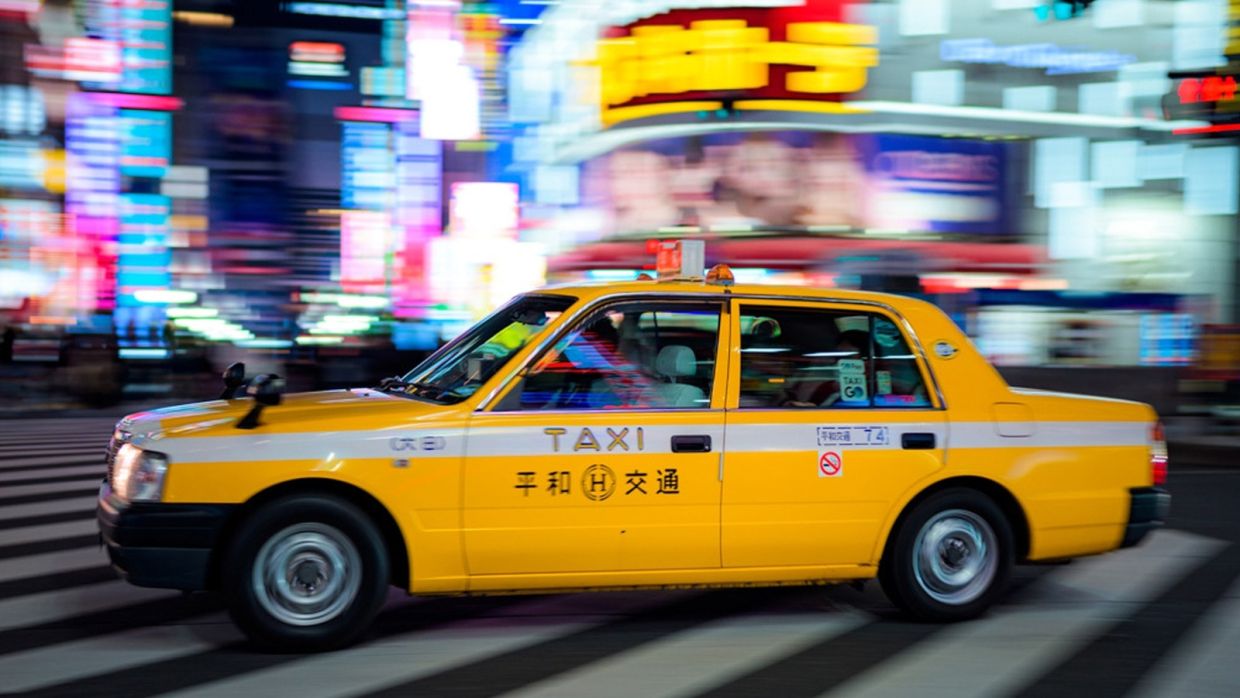
A 41-year-old Chinese man has been taken into custody by Tokyo Metropolitan Police on suspicion of masterminding an unlicensed taxi operation that deliberately exploited regulatory loopholes to transport international tourists across the Japanese capital. Wang Xiaoyu stands accused of breaching the Road Transportation Act by systematically leasing vehicles registered to Phoenix Kokusai, a chauffeur service company he effectively controlled, to individuals who were not authorised employees and who then operated illegal taxi services targeting Chinese visitors and other tourists.
The operation, which authorities believe ran between February and April 2025 with an estimated 38 million yen (approximately USD 233,000) in illegal revenues, highlights a growing vulnerability in Japan's transportation regulatory framework. Wang allegedly collected licensing fees from roughly eighteen drivers across a seven-month period spanning from November 2024 through May 2026, creating a network of informal taxi services that operated without proper authorisation or safety oversight. Three additional drivers, all Chinese nationals, have also been arrested as part of the investigation on identical charges under the Road Transportation Act.
The method of operation reveals how modern licensing categories designed to serve legitimate purposes have become susceptible to organised abuse. Japan introduced the "urban hire" vehicle classification in 2014 as a formal category for commercial passenger transport, with the specific requirement that customers book services in advance and commit to minimum two-hour charters. These authorised vehicles are distinguished by green license plates, a visual marker intended to help enforcement officials identify legally registered commercial transportation. However, police departments across Tokyo have long recognised that the green plate system presents enforcement challenges, as distinguishing between legitimate and illegitimate operations often proves difficult based on appearance alone.
The illicit scheme's undoing came through systematic complaints lodged by legitimate Tokyo taxi operators who observed suspicious activity concentrated at Haneda Airport, one of Asia's busiest aviation hubs. Reports of unauthorised vehicles openly soliciting passengers at the airport prompted authorities to launch a formal investigation. This development underscores the competitive pressure that unlicensed operations place on regulated taxi companies, many of whom must comply with strict licensing requirements, insurance obligations, and safety standards that generate significant operational costs.
Wang's alleged operation capitalised specifically on the surge in international arrivals to Japan, particularly from China. The targeting of Chinese-speaking tourists appears deliberate, suggesting coordination with drivers familiar with managing communications and expectations among visitors from the same linguistic and cultural background. This specialisation would have reduced friction in the customer acquisition process and enabled rapid scaling of the informal network without requiring multilingual capabilities across the entire driver pool.
The regulatory landscape that permitted this breach reflects broader pressures on Japan's transportation framework. Government data shows the number of registered urban hire vehicles surged from 3,868 in fiscal 2013 to 8,850 in fiscal 2024, a more than twofold increase directly correlating with explosive tourism growth. This expansion has created administrative challenges for regulators attempting to monitor compliance across a vastly enlarged sector. The sheer volume of green-plated vehicles now circulating through Tokyo makes visual inspection impractical as an enforcement mechanism, inadvertently creating cover for organised illegal operators.
Wang has partially contested the allegations against him, suggesting potential complications in establishing culpability across all charged activities. Nevertheless, the digital audit trail of payments collected through the Phoenix Kokusai arrangement appears to provide substantial evidence of systematic rather than opportunistic violations. The precision of police calculations regarding income flows suggests investigators possessed access to financial records or testimony establishing the scope of the operation.
For Southeast Asian readers, this incident carries several instructive implications. Malaysia and other regional nations experiencing rapid tourism growth face comparable pressures on transportation regulation. As ride-sharing and flexible hiring models proliferate globally, the gap between formal licensing categories and actual market practices widens, creating opportunities for systematic circumvention. The Tokyo case demonstrates that even developed economies with sophisticated enforcement infrastructure can struggle to contain organised regulatory violations within modernised transportation sectors.
The incident also illustrates how international criminal networks exploit language barriers and visitor unfamiliarity to operate illegal services. Chinese nationals targeting co-ethnics represents a specific operational model that authorities in tourist-heavy Southeast Asian destinations should monitor. The specialisation of predatory networks around linguistic and cultural communities enables them to maintain customer trust while simultaneously reducing interaction with authorities who might otherwise detect irregularities.
Japan's response through targeted arrests of both organisers and frontline operators suggests a recognition that dismantling informal networks requires prosecution at multiple levels. Focusing enforcement exclusively on individual drivers would prove ineffective if organisers like Wang face no consequences. The prosecution strategy here targets the architectural framework of the operation rather than merely its visible manifestations.
Moving forward, Tokyo's experience suggests that regulatory frameworks designed for specific transportation purposes require dynamic monitoring as market conditions evolve. The 2014 urban hire category served legitimate policy objectives, yet its implementation created unanticipated vulnerabilities. Regulators across Asia attempting to balance innovation in transportation services with consumer protection and worker welfare must build in mechanisms for regular reassessment of how regulatory categories perform in practice.

