A 41-year-old Chinese national has pleaded guilty to targeting some of Singapore's most exclusive residential areas after arriving in the city-state with the specific intention of committing burglaries. Huang Xiaozong, who had never visited Singapore before, conducted deliberate research into wealthy enclaves and executed a calculated crime spree across Sentosa and Serangoon Gardens, stealing more than S$105,000 in jewellery and luxury goods within the span of just three days.
The case reveals a troubling pattern of premeditated criminal planning by an international offender who identified Singapore's prosperity as an opportunity for theft. Upon arrival on Dec 5, 2025, Huang took accommodation in a hotel in Little India and immediately began surveying potential targets in areas known for their affluent residents and high-value residential properties. His reconnaissance efforts focused on identifying homes and accommodation units that appeared unoccupied, suggesting a deliberate methodology designed to minimise detection and confrontation.
Huang's first incident occurred on Dec 6, 2025, when he ventured to Sentosa and discovered a luxury hotel suite that served as occasional residence for an individual who was travelling abroad at the time. The suite became his entry point into the criminal spree. He forced entry through the rear balcony, gaining access by breaching the sliding door mechanism. Once inside, he systematically collected high-value items including a Chanel timepiece valued at S$30,000, five rings totalling S$25,000, and a gold necklace worth S$3,000. The theft went undetected initially, with the intrusion only becoming apparent two days later when hotel housekeeping staff discovered footprints and noted missing valuables.
The following evening, Huang shifted his focus to the residential enclave of Serangoon Gardens, an established neighbourhood characterised by landed properties and substantial family homes. Arriving between 7pm and 8pm, he targeted a residence that displayed no visible signs of occupancy, with all lights switched off. He scaled the perimeter gate and proceeded to systematically search the interior, emerging with jewellery items worth over S$47,000. This haul included rings, gold necklaces, a diamond necklace, diamond earrings, and wedding rings, representing a considerable accumulation of personal valuables.
With renewed confidence following his initial success, Huang attempted a third burglary at another Serangoon Gardens property that same evening. However, this final incursion proved to be his undoing. As he was inside the residence, a domestic helper employed at the household arrived and questioned his presence. Realising his exposure, Huang hastily retreated back to his hotel in Little India with the stolen merchandise. The homeowner returned shortly thereafter and contacted police, setting in motion the investigation that would lead to Huang's apprehension.
Police traced Huang back to his hotel accommodation the next morning, where he was arrested on Dec 8, 2025. Investigators recovered the stolen items, which had a combined assessed value of S$105,000. The speed of his apprehension demonstrated Singapore's police effectiveness in tracking international offenders, particularly those lacking local knowledge or established criminal networks to facilitate their escape.
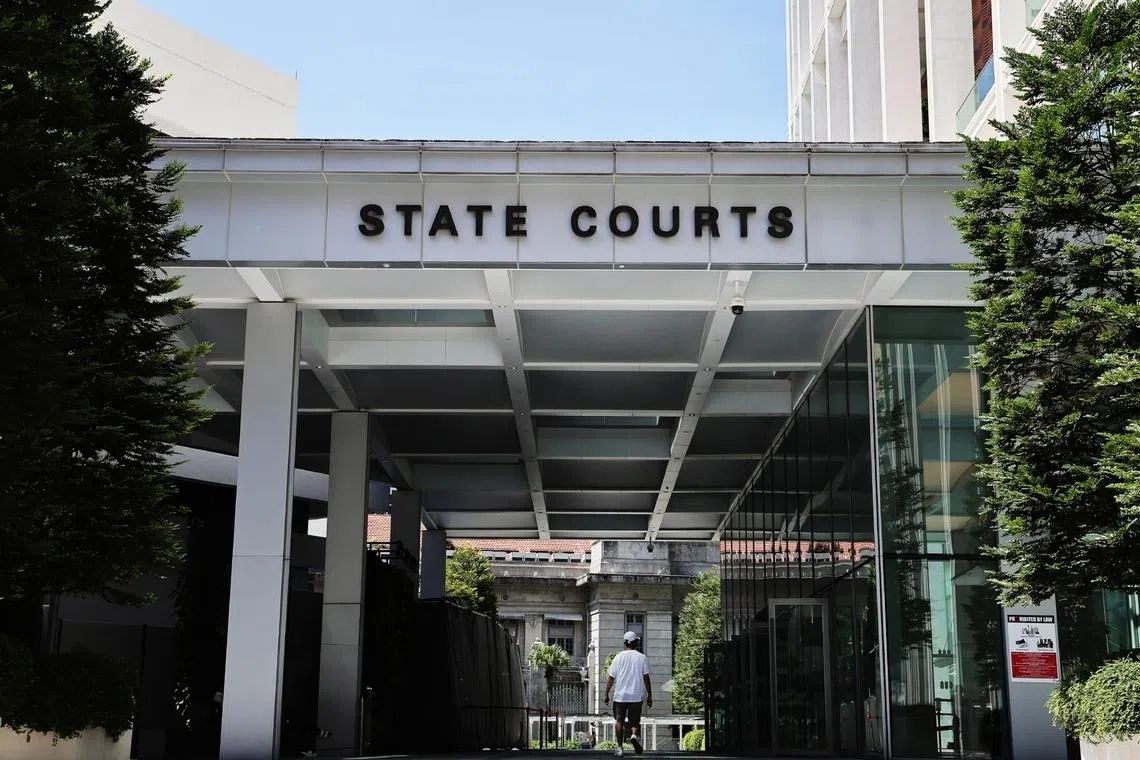
Huang appeared in court on Friday (July 10) and entered guilty pleas to two counts of housebreaking, which constitute the primary charges in his case. The guilty pleas streamline the legal proceedings, sparing the courts a protracted trial while acknowledging the clear evidence and his culpability. His sentencing has been scheduled for Aug 14, at which point the district judge will determine the appropriate custodial term and any additional penalties.
The case underscores vulnerabilities in residential security during periods when properties remain unoccupied, particularly in affluent neighbourhoods where the concentration of high-value assets may present temptation to opportunistic offenders. While Singapore's security infrastructure and law enforcement response proved effective in this instance, the incident highlights the importance of comprehensive security measures, including surveillance systems, alarm monitoring, and community awareness programmes.
For regional observers, the case demonstrates how international criminal elements may view Southeast Asian cities as viable targets, especially those with visible concentrations of wealth and perceived security gaps. The incident also reflects broader challenges in managing cross-border crime, where offenders from neighbouring countries may exploit visa-free or lenient entry conditions to conduct short-term criminal operations. Singapore's swift investigative and apprehension procedures serve as a deterrent model, yet the case indicates that determined offenders will continue testing residential security protocols.

