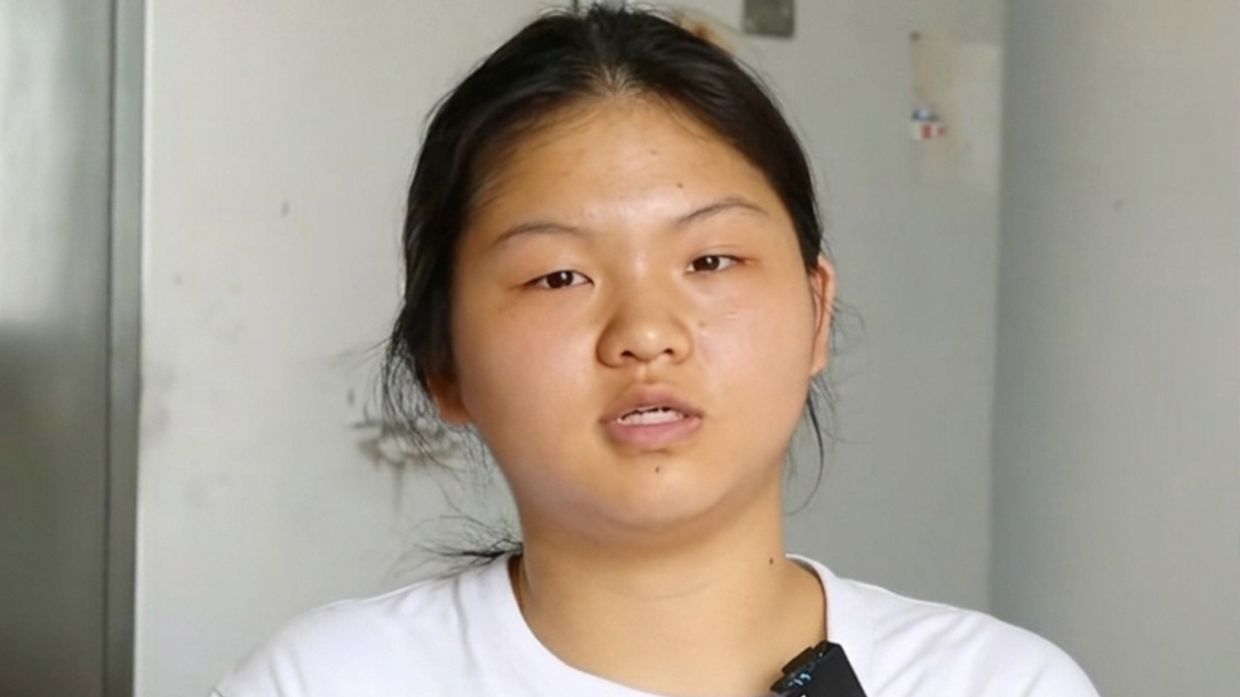
At eighteen years old, Zeng Zixuan finds herself navigating one of life's most isolating circumstances: she is now entirely alone. Yet in the face of loss and vulnerability, she has demonstrated a moral clarity that has touched countless strangers across China. Her story emerged as she prepared to begin university following the death of her grandmother in early July—the last family member she had left—while maintaining the dignity to refuse the outpouring of financial support that came her way.
Zeng's path to this moment of solitude began long before this year's university entrance examinations. When her parents divorced during her childhood, neither could provide a stable home. Her mother remarried and disappeared from her life entirely, while her father relocated to Guangdong to pursue work opportunities, leaving young Zeng to be raised by her grandmother. This arrangement might have seemed temporary at the time, but it became the defining relationship of her early years. Her grandmother became not just a caregiver but the anchor of her emotional world, the person who represented continuity and love when everything else had fractured.
Despite the instability of her family situation, Zeng cultivated a reputation for academic excellence that set her apart among her peers. Throughout her secondary school years, she consistently ranked at the top of her class, a testament to her discipline and determination. Her choice to apply to a university close to home reflected her desire to maintain that precious connection with her grandmother, planning frequent visits that would bridge the gap between her educational aspirations and her filial responsibilities.
The fragility of these carefully laid plans became brutally apparent during her senior secondary years. Her father, the parent she had seen so little of, died in an accident. This tragedy was not merely emotional; it severed the family's primary source of income and thrust both Zeng and her grandmother into financial desperation. The two of them survived on government assistance programmes and subsidies provided by her school—a safety net that, while essential, highlighted their precarious position within society.
The loss of her father transformed Zeng's personality. The cheerful girl who had once excelled academically became withdrawn, struggling with grief and an awareness of mortality that no teenager should carry. Her supervising teacher, noticing the shift in her demeanor and academic engagement, took an active interest in her wellbeing. These conversations became a lifeline, offering not just academic guidance but emotional support and perspective. The teacher's message was direct and purposeful: attending a quality university represented her best path forward, a way to honor both her deceased father and her ageing grandmother through success.
Local officials also recognized Zeng's vulnerability and took steps to ensure she received available support. A government representative assigned to women's issues in her village became a practical advocate, coordinating assistance and monitoring her situation. These interventions revealed a community-level responsiveness to hardship that, while commendable, underscored just how dependent Zeng had become on institutional goodwill.
Then came the second devastating blow. After scoring 564 out of 750 on the gaokao—a respectable result that would secure her university placement—Zeng's grandmother fell ill and passed away in early July. She had lost not only a guardian but her last living relative, anyone with a biological or legal claim to be called family. In Chinese culture, where filial piety and intergenerational bonds carry profound significance, this loss represented not just personal tragedy but a complete severing from kinship.
As word of her circumstances spread through her village, strangers moved to help. Donations flooded in through local government channels, driven by sympathy and an impulse toward charity. Within a remarkably short period, more than 60,000 yuan—approximately US$8,800—had been accumulated. This represented a significant sum for rural China, enough to cover tuition, accommodation, and living expenses comfortably for an undergraduate's initial years.
Rather than quietly accept this windfall, Zeng took the unusual step of contacting her village office to request that further donations cease. Her statement revealed a maturity and moral conviction that extended far beyond her years. She thanked those who had contributed but insisted that the funds already collected were more than sufficient for her immediate needs. More tellingly, she redirected attention toward others: she acknowledged that earning money is difficult and that many people face circumstances far more challenging than her own. She asked that donors redirect their generosity toward those with greater needs.
Zeng's plan for financial independence demonstrates both pragmatism and agency. Rather than relying entirely on donated funds, she intends to work part-time during her university years, supplementing any remaining expenses through her own labor. The village has already identified suitable student work opportunities that will allow her to earn money while maintaining her academic commitments—a solution that preserves her dignity while meeting her practical needs.
Her story has resonated across China not because it is unique in its hardship but because Zeng's response to that hardship reflects values that many aspire to but fewer consistently practice. Online observers have noted the paradox of her situation: she is materially disadvantaged, having lost her entire family support network, yet she is fortunate to live in an era and place where such hardship triggers collective compassion. The infrastructure of government assistance, community concern, and individual generosity that surrounded her is itself a relatively recent development in Chinese history.
For Southeast Asian readers watching developments in China, Zeng's story illuminates broader questions about social safety nets, community responsibility, and individual character. As developing nations across the region grapple with urbanization, migration, and changing family structures—all factors that create situations like Zeng's—her example offers insight into how vulnerable young people navigate systemic challenges. Her refusal to accept charity beyond necessity suggests a consciousness about resource distribution and fairness that transcends her immediate situation.
Zeng Zixuan has become an unintended symbol of resilience, not because her story ended happily or because her problems are solved, but because she responded to catastrophic loss with clarity about her obligations to others. She remains an orphan entering university, facing challenges that will test her resolve repeatedly. Yet in her insistence that others receive help instead, she has already demonstrated a kind of wealth—moral capital accumulated through hardship and refined through choice—that no amount of financial aid can purchase.

