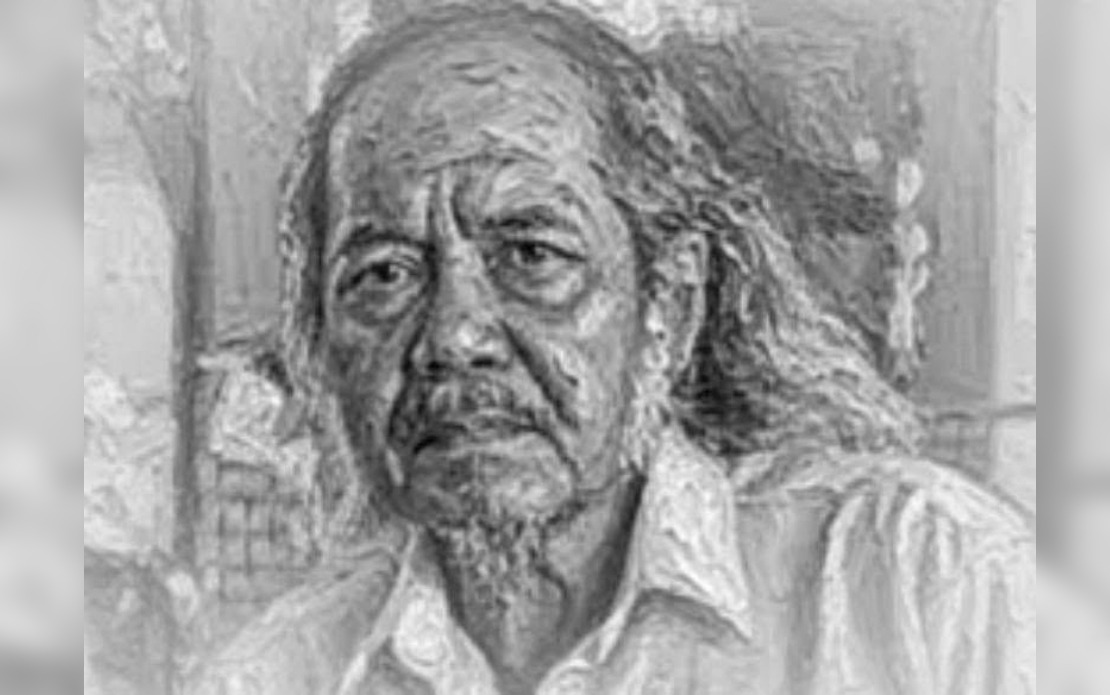
The Malaysian arts community is mourning the loss of Kamarozaman Yusoff, popularly known as Cik Man, who died on August 5 at Tanah Merah Hospital in Kelantan following heart complications. The 68-year-old performer's passing marks the end of an era in Malaysian cinema, with the Malaysian Artistes' Association describing his departure as a significant blow to the local entertainment industry.
Hafiz Nafiah, secretary-general of SENIMAN, characterized Cik Man as one of the nation's most accomplished character actors, whose four-decade career established him as a cornerstone figure in Malaysian performing arts. Rather than pursuing celebrity status, the actor chose to channel his energy into perfecting his craft, earning the profound respect of both established professionals and emerging talents within the industry.
Cik Man's distinctive approach to acting became inseparable from his authentic delivery and emotional depth. His signature use of the Kelantan dialect transcended mere linguistic authenticity; it became a defining characteristic that audiences immediately recognised and appreciated, allowing him to bring genuine regional flavour to Malaysian screen productions. This commitment to naturalistic performance set him apart from contemporaries who might have opted for more theatrical approaches.
The actor's breakthrough came in 1986 with his role as Farouk in Gila-Gila Remaja, a film that introduced him to wider audiences and demonstrated his capacity for complex character work. This initial success proved pivotal, opening doors to increasingly significant roles throughout the late 1980s and beyond. His filmography expanded considerably as producers recognised the unique value he brought to every project.
Cik Man's most enduring contribution to Malaysian cinema emerged through his participation in the Rock film trilogy, directed by the late Mamat Khalid. These films, including Rock, Rock Oo! and Rock Bro!, showcased his talent for comedic timing and character development, creating moments that continue to resonate with audiences decades later. Film historians and cinema enthusiasts frequently cite his performances in this series as benchmarks of Malaysian filmmaking excellence.
Beyond the Rock franchise, his résumé encompassed diverse productions spanning multiple genres and formats. Works including Rozana Cinta 87, Tiada Tajuk, Cerita Hantu Malaysia, Mael Totey The Movie and Abu Si Raksasa demonstrated his versatility across dramatic, comedic and horror categories. His participation in the television drama series Banyak Chanteq further illustrated his ability to adapt his craft across different media platforms, each with distinct narrative and technical demands.
What distinguished Cik Man from purely commercial actors was his philosophical approach to performance. SENIMAN's tribute emphasised that his dedication, discipline and unwavering commitment to artistic integrity transcended the pursuit of fame or financial reward. This principled stance earned him a unique position within the industry hierarchy, where respect from fellow professionals often proves more valuable than public recognition.
The significance of his contribution extends beyond individual roles to encompass his influence on Malaysian cinema's stylistic development. During formative decades when the local film industry was establishing its distinctive identity, Cik Man demonstrated that authentic regional characterisation and naturalistic acting could achieve both critical credibility and popular appeal. His success helped validate an approach to Malaysian storytelling that emphasised genuine cultural particularity over artificial universalism.
For younger actors entering the profession, Cik Man represented a model of sustainable career development built on craft mastery rather than image cultivation. His longevity—spanning more than forty years without major career interruptions—testified to the viability of prioritising artistic quality in an industry often dominated by market pressures and commercial calculation.
SENIMAN's formal statement reflected the broader industry consensus that Cik Man's artistic output would transcend his physical absence. His films remain accessible to audiences and scholars alike, continuing to shape understandings of Malaysian cinema history and cultural representation. New generations discovering these works will encounter his performances directly, allowing his influence to extend across temporal boundaries.
The timing of his passing creates particular poignancy given the accelerating pace of change within Malaysian entertainment. As the industry navigates digital transformation and shifting audience preferences, figures like Cik Man represent an anchoring connection to cinema's foundational era in the nation, embodying production methodologies and artistic philosophies that increasingly risk being forgotten or undervalued.
His death prompts reflection on broader questions concerning cultural memory and institutional recognition within Southeast Asian film industries. The question of how nations preserve and celebrate artistic heritage—particularly for actors who eschewed public relations machinery—remains inadequately addressed across the region. Cik Man's career trajectory suggests that true artistic achievement sometimes occurs beneath the radar of celebrity culture, deserving retrospective acknowledgment.
Moving forward, SENIMAN's commitment to honouring his memory through the preservation and celebration of his contributions offers a template for how professional organisations might safeguard the legacies of foundational artists. Whether through archival initiatives, festival retrospectives or educational programming, institutional recognition can ensure that figures like Kamarozaman Yusoff remain visible within cultural consciousness and continue influencing subsequent generations of Malaysian performers and filmmakers.

