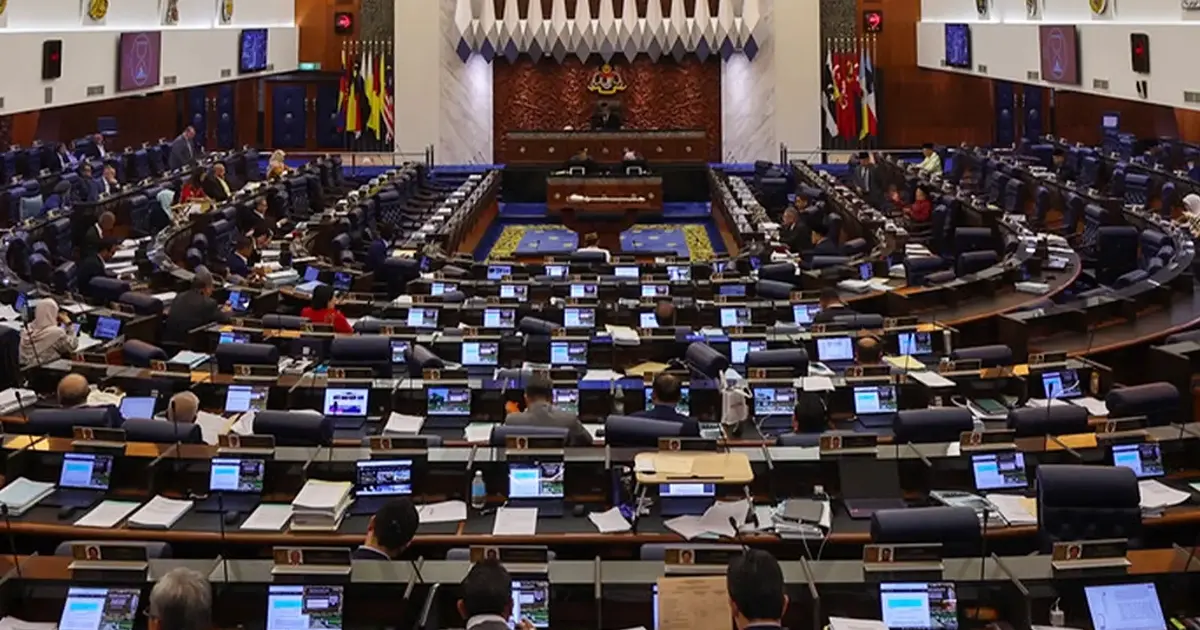
A coalition of Malaysian non-governmental organisations has issued a formal appeal for the country's political leadership to commit to institutional stability and collaborative governance, arguing that such measures are essential to strengthening democratic institutions ahead of the 16th general election. The civil society groups are specifically calling for Parliament to run its complete constitutional course and for a structured dialogue between the government and opposition to establish a shared reform agenda that transcends party lines.
The push reflects growing concerns within the NGO sector about the cyclical instability that has characterised Malaysian politics over recent years. Multiple changes of government, premature dissolutions of Parliament, and the absence of long-term policy continuity have created institutional uncertainty that civil society leaders argue undermines the effectiveness of government agencies and public services. By advocating for a full parliamentary term, these organisations are essentially calling for a return to predictable electoral cycles that would allow government programmes sufficient time to show measurable results and opposition parties adequate space to develop alternative policy proposals.
Central to the NGOs' initiative is a proposal that the Prime Minister convene a high-level summit bringing together senior figures from both the ruling coalition and the opposition parties. This summit would serve as a platform to identify priority reform areas where there exists potential for genuine consensus, moving beyond the partisan divisions that typically dominate Malaysia's legislative chamber. The organisations envision such reforms addressing systemic governance challenges that transcend electoral cycles and affect the functioning of the state regardless of which coalition holds executive power.
The timing of this appeal carries particular significance given the typical duration of Malaysia's parliamentary terms and the proximity to general election cycles. By raising these concerns now, the NGO sector is attempting to influence the political climate before electoral calculations begin to dominate decision-making among party leadership. The groups recognise that once parties enter campaign mode, the likelihood of bipartisan cooperation on substantive governance issues diminishes considerably, as political actors prioritise electoral positioning over institutional development.
Malaysian civil society's emphasis on cross-party reform pacts reflects international best practices in democracies facing governance challenges. Several Southeast Asian nations and established democracies have successfully implemented such consensus-building mechanisms, creating frameworks for shared commitment to anti-corruption measures, judicial independence, parliamentary procedure reforms, and fiscal transparency. By importing these models, Malaysian NGOs are suggesting that the country's political maturity would benefit from similar institutionalised cooperation on matters of national importance.
The specific reforms that civil society might prioritise in such a pact likely include strengthening parliamentary oversight mechanisms, enhancing transparency in government procurement and budget allocation, and establishing clearer ethical guidelines for political conduct. Such measures would theoretically benefit from bipartisan support because they improve the institutional framework within which any government operates, rather than providing advantages to specific political coalitions. When opposition and government parties can agree that institutional reforms strengthen democracy itself, implementation becomes less vulnerable to partisan reversal when power changes hands.
For Malaysian readers and stakeholders, the NGO initiative represents an attempt to break a concerning pattern whereby governance reforms become weaponised in political competition. The proposal that Parliament complete its full term would also stabilise the business environment and allow long-term policy initiatives in economic development, infrastructure, and social programmes to reach fruition without interruption. Premature elections consume substantial public resources and create periods of administrative uncertainty that complicate planning in both public and private sectors.
The cross-party reform agenda would also address citizen expectations for better governance. Public opinion surveys across Southeast Asia consistently show voter frustration with the perceived self-interest of politicians and the rapid reversal of government initiatives when power transfers between coalitions. A formal, binding agreement on core reforms signed by all major parties would signal genuine commitment to institutional improvement rather than rhetorical promises made during campaign periods.
Regionally, Malaysia's approach to ensuring political stability and fostering interparty cooperation carries implications for the broader Southeast Asian political environment. If Malaysian civil society can successfully broker consensus governance arrangements, the model might offer insights to other nations in the region grappling with similar challenges of political fragmentation and institutional instability. The success or failure of these NGO initiatives will be closely observed by governance advocates across the region.
The challenge facing these civil society organisations lies in persuading political leaders to prioritise institutional stability over immediate electoral advantage. Government leaders may resist calls for a full parliamentary term if they perceive declining political support, while opposition parties might prefer snap elections if polling indicates improved prospects. Only if the appeal resonates sufficiently within the political class to shift calculations about the value of stability will the NGOs' initiative gain substantive traction.

