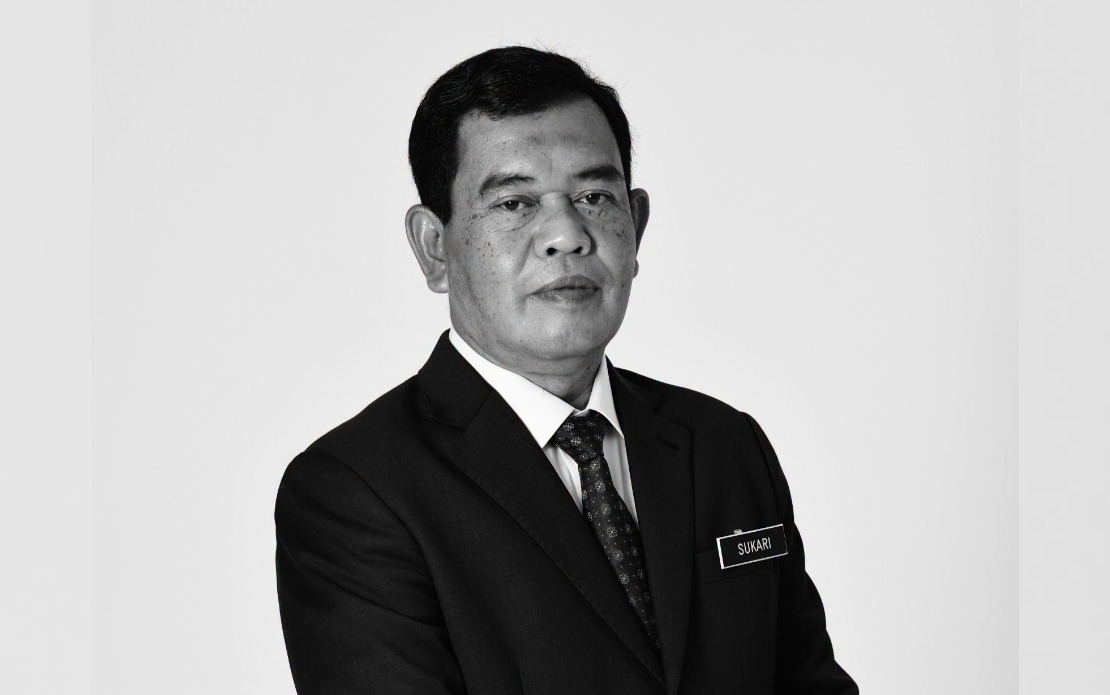
Communications Minister Datuk Seri Fahmi Fadzil has paid tribute to Datuk Mohd Sukari Ab Hamid, the former director-general of the Information Department, who passed away on August 3. The minister took to Facebook to express his sympathies to the bereaved family, acknowledging the significant loss felt throughout the Communications Ministry and particularly within the Information Department.
Fahmi highlighted the close professional relationship he had developed with Mohd Sukari, describing him as one of the first senior officials he consulted upon assuming leadership of the Communications Ministry. This connection underscores the collaborative nature of Malaysia's information governance structure, where experienced bureaucrats play crucial advisory roles during transitional periods in ministerial leadership. The working relationship between a minister and career civil servants like Mohd Sukari often determines the effectiveness of policy implementation and institutional continuity.
Mohd Sukari, who was 65 years old at the time of his death, occupied one of the most consequential positions within Malaysia's government communications apparatus. As director-general of the Information Department, he would have overseen critical functions including coordinating government messaging, managing media relations, and ensuring the dissemination of official information across multiple platforms and constituencies. Such roles demand extensive experience navigating the complex intersection of politics, media, and public administration.
The late official's tenure at the helm of the Information Department spanned a significant period in Malaysia's contemporary political landscape. Appointed to the position on December 7, 2020, Mohd Sukari took the helm during a time when the country was navigating considerable political flux and the early phases of the Covid-19 pandemic response. His leadership during this period would have involved managing government communications during a health crisis, a responsibility that carried heightened stakes given public reliance on accurate and timely information.
Mohd Sukari's retirement on March 20, 2024, marked the conclusion of his formal government service. His decision to step down after more than three years as director-general came at a juncture when the Information Department was evolving to meet changing media consumption patterns and emerging communication challenges in the digital age. The transition of experienced officials like Mohd Sukari from active service to retirement represents a significant shift in institutional knowledge and continuity.
Fahmi's tribute emphasizes the collaborative and interpersonal dimensions of government leadership that often remain invisible to public scrutiny. The minister stressed that Mohd Sukari was instrumental in supporting the ministry's official functions, suggesting a partnership that extended beyond formal hierarchical relationships. Such bonds between political appointees and career civil servants are essential for effective governance, particularly in specialized departments dealing with information policy and strategic communications.
The funeral proceedings reflected respect for Mohd Sukari's service and standing within the government establishment. Following Islamic practices, he was laid to rest after Asar prayers at Sakinah Cemetery in Kampung Melayu, Kepong, a location in the Kuala Lumpur area that has long served as a burial ground for prominent members of the Malay-Muslim community. The choice of burial site and the timing of the funeral rites suggest a dignified farewell befitting his professional status.
Mohd Sukari's passing comes at a time when Malaysia's information apparatus continues to adapt to rapidly evolving communication landscapes. The role of the Information Department has become increasingly complex in an era characterized by misinformation, social media saturation, and competing narratives across multiple platforms. Officials with Mohd Sukari's experience and tenure bring institutional memory and methodological approaches that help departments navigate these contemporary challenges.
The loss represents a departure of another generation of experienced civil servants from Malaysia's bureaucratic machinery. Such transitions inevitably create vacuums in institutional knowledge and established working relationships. Fahmi's personal acknowledgment of Mohd Sukari's contributions suggests that his impact extended beyond formal job descriptions, encompassing mentorship, counsel, and the informal networks that facilitate effective governance.
The minister's invocation of Islamic prayers in his condolence message reflects both personal respect and the cultural conventions governing official expressions of sympathy within Malaysia's Muslim-majority civil service. His public acknowledgment of the loss also serves to honor Mohd Sukari's professional legacy and signal to the broader government apparatus the value placed on dedicated service and institutional commitment.
For observers monitoring the workings of Malaysia's information governance, Mohd Sukari's death marks the end of an era in which he contributed to shaping how government communications evolved during a transformative period. His retirement earlier in 2024 had already signaled the beginning of a new chapter for the Information Department; his passing now provides occasion for institutional reflection on the approaches and principles that guided his leadership.

