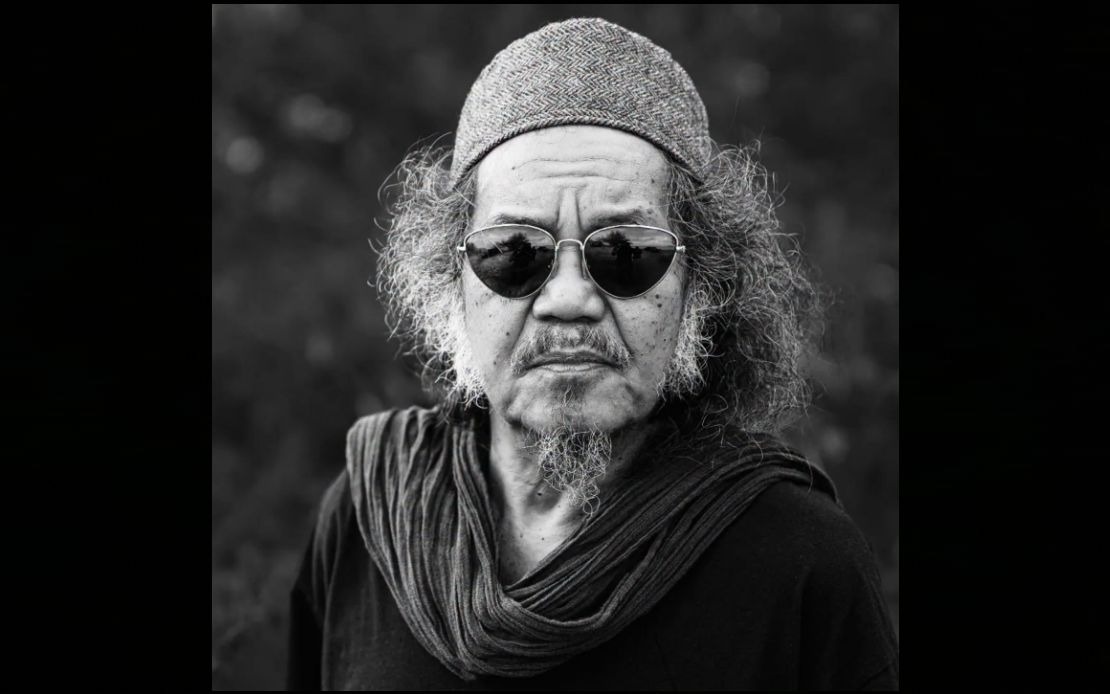
Communications Minister Datuk Seri Fahmi Fadzil has extended his condolences following the death of veteran actor Kamarool Yusoff, widely recognized by his stage name Cik Man, who passed away this evening. Through a Facebook post, the minister acknowledged the significant loss to Malaysia's entertainment landscape, recognizing the enduring impact the late performer had left on generations of cinema enthusiasts throughout the country.
Fahmi highlighted the particular resonance Kamarool's career held for audiences who came of age during Malaysia's prolific cinema era in the 1980s. The minister noted that fans of Malay cinema from that golden period would maintain vivid memories of Kamarool's portrayal of Farouk, the commanding leader of the "Gagak Hitam" gang in the 1986 Malaysian classic film. This role became so emblematic of the actor's legacy that it defined much of his public recognition and cultural significance across decades.
Beyond his celebrated performance in that landmark production, Kamarool earned widespread respect as a skilled artiste whose contributions extended across the entertainment industry. Fahmi characterized him not merely as a talented performer but as someone held in high esteem by fellow actors and other creative professionals who worked alongside him throughout his career. This recognition underscores the collaborative bonds and professional respect that Kamarool cultivated within Malaysia's arts community over the course of his professional life.
The minister's tribute extended to acknowledge Kamarool's broader significance to Malaysia's cultural heritage. Fahmi emphasized that the late actor's body of work represented a meaningful contribution to the nation's artistic development, particularly during a formative period when Malay cinema was establishing itself as a significant cultural force. The performances and characterizations Kamarool delivered have become embedded in the collective memory of Malaysian audiences, serving as cultural touchstones that continue to resonate with viewers who discovered these films decades ago and with new audiences encountering them today.
In his statement, Fahmi stressed the lasting nature of Kamarool's artistic legacy, suggesting that the memories and entertainment value he provided would endure indefinitely. The minister framed the late actor's service to the arts as something that transcends his individual lifetime, having created entertainment experiences that multiple generations have treasured and continue to reference in contemporary cultural discourse. This dimension of cultural longevity distinguishes Kamarool's career as one that produced meaningful and durable contributions rather than merely ephemeral entertainment.
Fahmi also extended spiritual condolences appropriate to Malaysia's Muslim-majority context, praying that Allah SWT would grant forgiveness for any transgressions, bestow divine mercy upon Kamarool's soul, and position him among the righteous in the afterlife. This spiritual dimension of the tribute reflects the minister's personal faith perspective and recognizes the religious framework through which many Malaysians process loss and honor the deceased. The invocation of divine blessing represents a traditional form of respect within Islamic practice that carries significant meaning in Malaysian society.
The confirmation of Kamarool's passing through media reports marks the conclusion of a career that spanned several decades of Malaysian entertainment history. His death represents the loss of someone who had direct connection to Malaysia's cinema during a period now largely considered its classical age, when local productions achieved significant cultural prominence and artistic ambition. The loss of such veteran performers invariably prompts broader reflection on the continuity of artistic traditions and the generational transmission of cultural knowledge.
Kamarool's most celebrated role as Farouk encapsulated a particular type of character that resonated strongly with 1980s audiences: the charismatic yet dangerous gang leader whose complexity extended beyond simple villainy. The 1986 film itself has achieved status as a classic within Malaysian cinema, regularly cited in discussions of significant local film productions from that era. Kamarool's performance in this role became so definitive that the character and actor became inseparable in cultural memory, a testament to the impact of his portrayal.
The timing of Fahmi's tribute through social media reflects contemporary practices in public mourning, where government officials and cultural figures acknowledge significant deaths through digital platforms that reach broad audiences instantaneously. This approach ensures that the passing of cultural figures receives immediate public recognition and allows for collective acknowledgment of their contributions. The minister's engagement with this form of communication demonstrates the integration of traditional expressions of respect into modern media frameworks.
Kamarool's legacy extends beyond individual performances to represent a broader era of Malaysian cinema that enthusiasts continue to celebrate and study. Film historians and cultural commentators frequently reference the 1980s period as a significant moment in the development of local cinema, and Kamarool's work constitutes an important part of that historical record. His passing prompts consideration of how such cultural figures are preserved and remembered, both through the preservation of their films and through the testimonials of colleagues and government officials such as Minister Fahmi.
The acknowledgment from Malaysia's Communications Minister underscores the recognition that accomplished performers contribute meaningfully to national identity and cultural continuity. Fahmi's tribute frames Kamarool's career not as mere entertainment but as a form of service to the nation, enriching public cultural life and creating shared experiences that bind society together. This perspective elevates the significance of artistic work beyond commercial considerations to a status of genuine public value and cultural importance.

