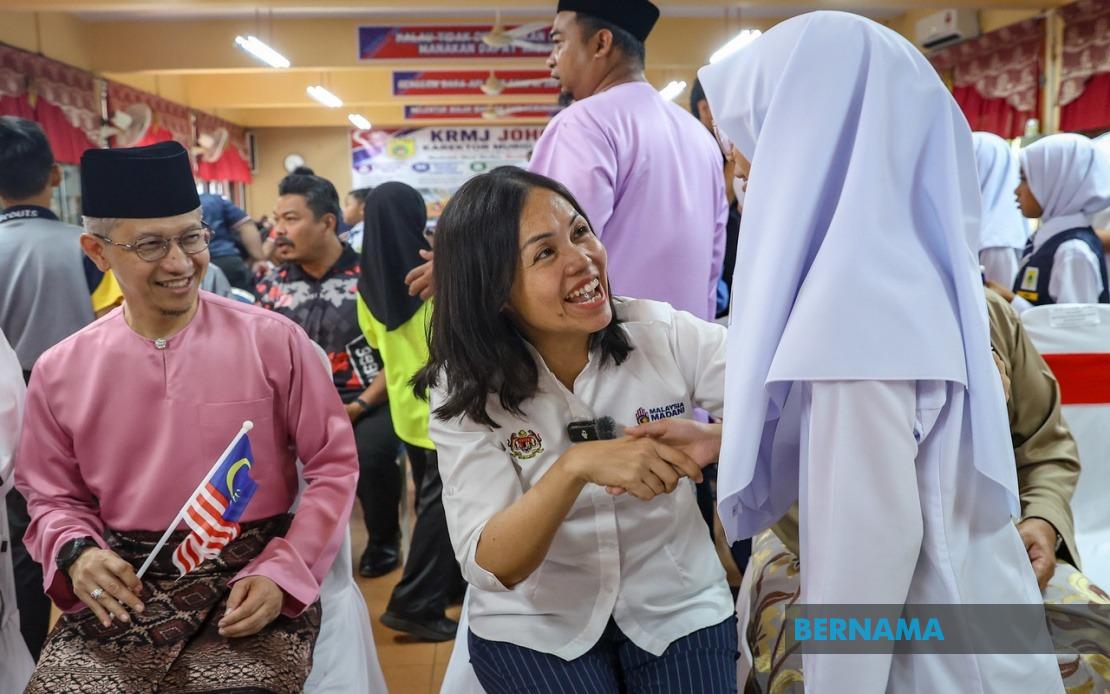
Supporting the local film industry has emerged as a key priority for Malaysia's Communications Ministry in the forthcoming Budget 2027, Deputy Minister Teo Nie Ching announced during a visit to Kulai. While formal budget negotiations with the Finance Ministry remain pending, preliminary discussions have already flagged the sector as a significant focus area deserving enhanced government backing. The ministry's commitment reflects growing recognition that Malaysia's creative industries, including film, represent untapped economic potential within the broader orange economy framework.
Teo explained that concrete budgetary details would materialise only after an officially scheduled meeting with the Ministry of Finance takes place in the coming week. However, she indicated that preliminary ground-level consultations have already canvassed the ministry's aspirations regarding film sector support. The approach suggests a deliberate strategy of building consensus and testing financial parameters before formal submissions, allowing the ministry to refine its requests based on preliminary feedback from fiscal authorities.
The deputy minister emphasised that the ministry has already tabled proposals for expanded film industry support, though these discussions have remained informal at this stage. She stressed the importance of proceeding cautiously, avoiding premature announcements until concrete commitments materialise. This measured approach reflects awareness that budget discussions often involve considerable negotiation and compromise, particularly when departments compete for limited financial resources across multiple competing priorities.
The exact funding amount the ministry will seek hinges significantly on the government's overall fiscal capacity and budgetary constraints. Rather than fixating on specific numerical targets, Teo framed the ministry's ambition around policy development and ecosystem strengthening. This perspective indicates a shift beyond mere capital injection toward comprehensive structural support that could yield more sustainable long-term growth for the sector.
Central to the ministry's strategy is establishing an integrated policy framework that nurtures industry development while maximising the sector's contribution to Malaysia's Gross Domestic Product. The ministry recognises that film production, distribution, and related creative services form part of a broader cultural economy with multiplier effects across employment, tourism, and international reputation. By positioning the film industry within the orange economy taxonomy, the ministry signals alignment with national development objectives emphasising creative and knowledge-based industries as economic pillars.
The orange economy encompasses creative sectors including film, music, design, and digital media—industries increasingly recognised globally as drivers of economic growth and employment. Malaysia's film sector, though smaller than regional competitors like Thailand and Indonesia, possesses considerable untapped potential. Strategic government investment could enhance production capabilities, attract international collaborations, and build competitive advantages in Asian creative markets. Enhanced support could also address persistent constraints affecting Malaysian filmmakers, including financing difficulties, limited distribution networks, and skills gaps in emerging technologies.
Beyond budget discussions, Teo used the Kulai visit to advance community-focused initiatives, inspecting ongoing construction at Sri Maha Mariamman Temple in Kampung Baru Sengkang. The temple had previously received RM248,560 in allocation during 2025 through the Non-Muslim Houses of Worship fund, following applications made in 2024. During the inspection, Teo distributed food baskets to twenty B40 households and disadvantaged groups in collaboration with temple management, demonstrating the parallel focus on social welfare and community development that complements sectoral economic initiatives.
Teo's dual role as Deputy Communications Minister and Member of Parliament for Kulai exemplifies how policy announcements often intertwine with constituency-level activities and grassroots engagement. The temple inspection and welfare provision reflect her responsibility to address constituents' immediate needs while navigating higher-level policy formation. This integration of national policy development with local community service illustrates the multilayered nature of ministerial responsibilities in Malaysia's democratic system.
The timing of the film industry initiative assumes significance given Malaysia's broader economic repositioning and the regional competition for creative talent and production investment. Thailand has aggressively developed film infrastructure and tax incentives to attract international productions, while Indonesia leverages cultural diversity to produce content with regional appeal. Malaysia's intervention, if adequately resourced and strategically designed, could position the country competitively within Southeast Asian creative industries. Enhanced government support could catalyse private sector investment, encourage emerging filmmakers, and create ecosystem conditions favouring international partnerships.
The ministry's emphasis on policy development rather than mere financial injection suggests sophisticated understanding that sustainable industry growth requires institutional architecture, regulatory clarity, and human capital development alongside capital provision. Effective policies might address film financing mechanisms, talent development programmes, intellectual property protections, and international co-production frameworks. These structural supports could prove more consequential than one-time budgetary allocations, creating conditions enabling continued growth beyond individual budget cycles.
For Malaysian audiences and industry participants, the announced priorities offer tentative grounds for optimism, though outcomes depend entirely on Finance Ministry receptiveness and budget allocation decisions. The sector has long advocated for government support comparable to that provided to other industries, arguing that film production generates employment, attracts foreign investment, and enhances Malaysia's international cultural profile. If Budget 2027 delivers meaningful allocations coupled with enabling policies, it could catalyse significant sector transformation and position Malaysia more competitively within regional creative markets.
The coming weeks will prove decisive as the Communications Ministry formalises its budget proposals and negotiates with Finance Ministry counterparts. The outcome will signal the government's seriousness regarding orange economy development and creative sector prioritisation. For filmmakers, production companies, and industry stakeholders who have long awaited substantive government backing, Budget 2027 represents a critical juncture that could either accelerate sector modernisation or perpetuate existing constraints. The informal discussions already underway suggest momentum exists, though converting preliminary support into concrete budgetary commitments remains the formidable challenge ahead.

