A rapidly spreading fire that erupted before dawn in the coastal settlement of Kampung Nunuyan Laut near Sandakan destroyed 28 houses but could have caused far greater destruction without the decisive intervention of residents who mobilised available water pumps to contain the blaze. The incident, which broke out around 3 am, displaced 109 people from 29 families and exposed both the vulnerability of densely packed stilt-house communities and the protective power of collective action in moments of crisis.
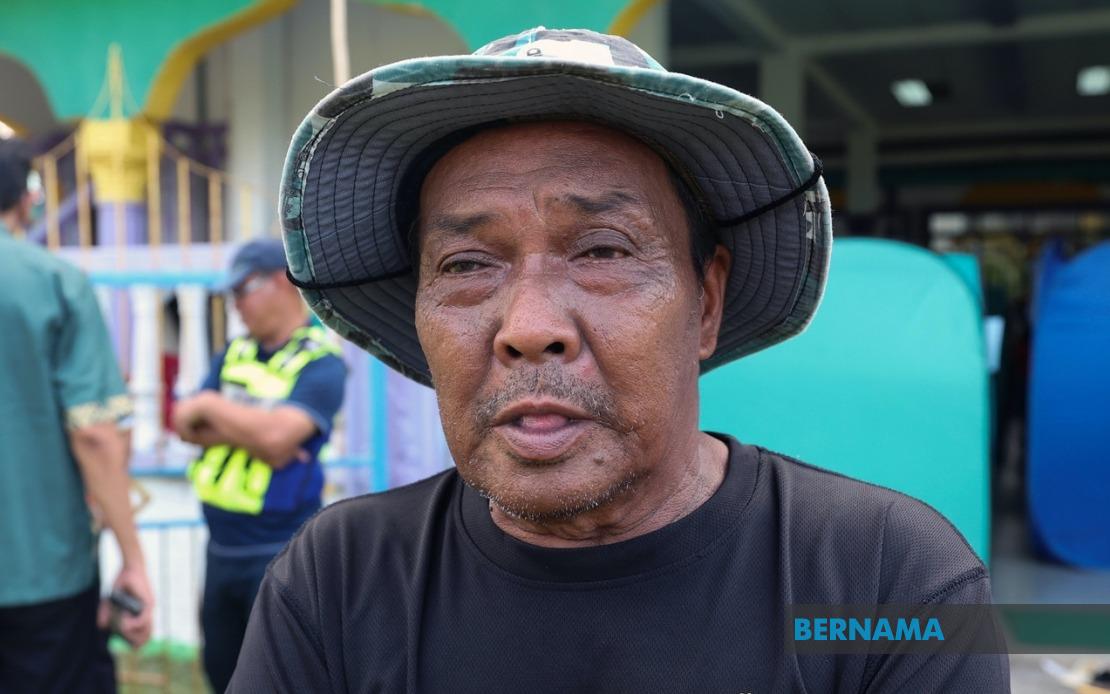
The village headman, Mohd Sutri Mohd Nurdin, played a crucial role in the containment effort by immediately making water pumps available to residents once he recognised the fire's potential to spread uncontrollably. Strong winds at the time were driving flames from structure to structure with alarming speed, creating conditions that could have transformed the incident into a catastrophe affecting hundreds of people. His decision to lend equipment rather than merely observe underscored how community leaders in smaller settlements often become frontline responders when professional emergency services face logistical challenges in reaching remote locations.
Mohd Sutri explained his reasoning in stark terms: recognising that the powerful winds were accelerating the fire's progress, he understood that passive waiting for firefighting units would prove inadequate. The strategy adopted—wetting houses that had not yet ignited to establish a defensive perimeter—represents a time-honoured technique adapted to the unique circumstances of wooden stilt villages where dense construction and flammable materials create optimal conditions for fire propagation. This firebreak approach succeeded in halting the flames' advance and sparing the remaining 162 structures in the immediate vicinity.
Among those who experienced the terror of the evacuation was Kaslan Etin, a 38-year-old resident who was jolted awake by neighbours' shouts of alarm only to discover approximately 30 percent of his home already engulfed. His account illustrates the compressed timeframe residents face in such emergencies: the family managed to evacuate their two young children and retrieve personal documents before abandoning their property to the advancing flames. The incident carried particular poignancy for Kaslan's household, as preparations for his sister-in-law's wedding scheduled for December had included decorations and arrangements now reduced to ash.
Other residents faced isolation and vulnerability that neighbourhood vigilance ultimately mitigated. Kasmah Rashid, a 69-year-old widow living alone, might have perished or suffered serious injury had her neighbour not made the critical decision to knock on her door and physically assist her escape as the fire intensified around them. Her subsequent gratitude toward both the villagers who mobilised rescue efforts and the security personnel who arrived reflected the profound interdependence characteristic of tight-knit communities where social bonds often determine survival outcomes.
The official response, while arriving after the immediate crisis had been contained by residents, nevertheless provided essential support for the aftermath. The Social Welfare Department (JKM) delivered initial relief assistance to address immediate needs, simultaneously conducting needs assessments to identify residents requiring ongoing help with housing, food, and other essentials. The Sandakan Municipal Council established a temporary relief centre at Al Fattah Mosque within the village itself, facilitating access for displaced families and enabling the distribution of aid within the community structure residents already knew.
The fire's origin remains undetermined as of the initial investigation phase, though authorities confirmed that no injuries or deaths resulted from the incident—a significant outcome given the fire's intensity and the number of people at risk. This absence of casualties, while fortunate, also reflects the community's preparedness and willingness to prioritise life over property, a hierarchy that economic hardship sometimes undermines in developing settlements where housing represents accumulated lifetime savings.
Kampung Nunuyan Laut exemplifies the particular challenges faced by stilt-house communities throughout East Malaysia and broader Southeast Asia. These settlements, built on water for cultural, economic, or practical reasons, concentrate large populations in wooden structures with minimal separation, creating fire-risk profiles substantially higher than conventional land-based neighbourhoods. When commercial water supplies are absent or unreliable, community-organised firebreaks and mutual aid become not luxuries but necessities.
The incident also highlights how informal economic activity and family obligations persist despite material precarity. The destruction of wedding preparations destined for December ceremonies underscores how fire strips away not merely shelter but also the ceremonial and relational practices that bind families and communities together. Recovery from such events thus extends beyond physical reconstruction to encompass the restoration of social rhythms and celebration opportunities that fires interrupt.
Moving forward, authorities and development planners might draw lessons from Kampung Nunuyan Laut's experience about the wisdom of investing in community-level fire management infrastructure—strategically positioned water storage, training in firebreak techniques, and pre-positioned equipment—rather than exclusively relying on centrally dispatched professional services. The village's success in protecting 162 homes while 28 burned suggests that intermediate strategies combining professional support with enhanced community capacity represent practical approaches to disaster mitigation in settlements where geography and economics constrain traditional fire service coverage.

