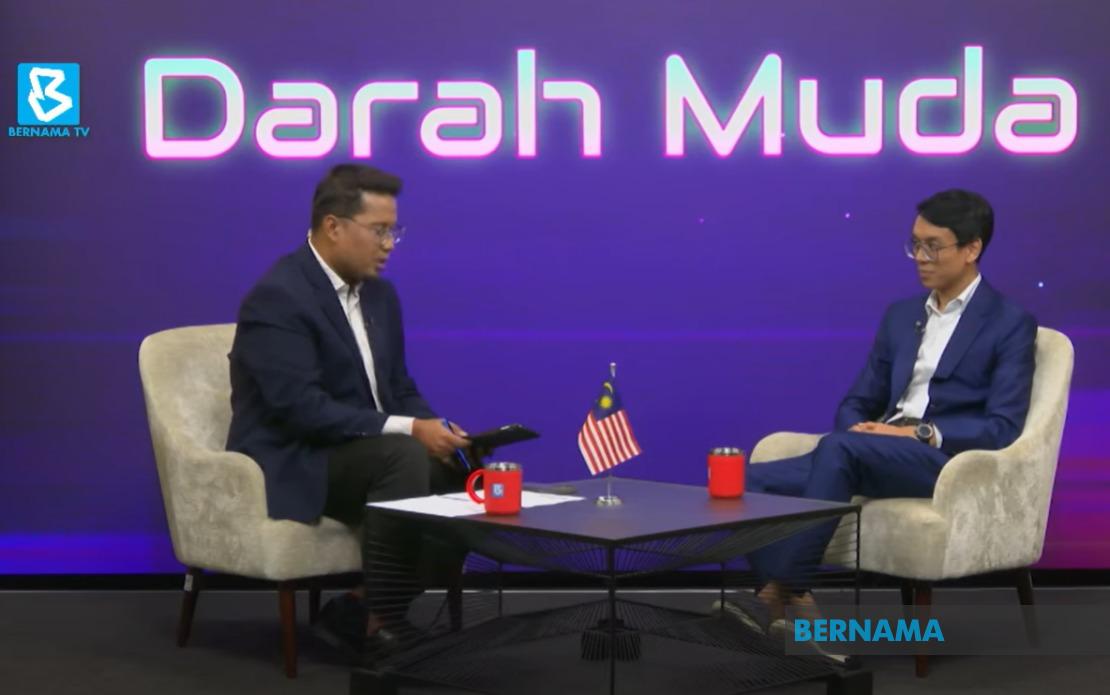
The governance failures exposed in the Royal Commission of Inquiry into Lembaga Tabung Haji demand a fundamental restructuring of the institution's leadership and operational frameworks, according to IKRAM Malaysia Economic Agenda Team data analyst Mohamad Ikmal Ahmad Nordin. While Tabung Haji has embarked on recovery measures following its well-publicised financial troubles, simply addressing immediate problems without examining deeper systemic issues risks perpetuating the cycle of mismanagement that led to the crisis in the first place.
The crux of the problem, Mohamad Ikmal contends, lies in a mismatch between the institution's dual role as both a religious authority managing Hajj affairs and a sophisticated financial entity, and the calibre of leadership overseeing these functions. Those directing Tabung Haji's operations must possess genuine expertise in financial management, investment strategy, and accounting practices—competencies that were apparently lacking during the period reviewed by the RCI. This gap between regulatory responsibility and personal expertise created a vacuum in which poor decisions flourished unchecked.
The analyst argues that Tabung Haji's leadership structure should be reorganised to separate religious and administrative functions from financial operations. Rather than concentrating all responsibilities within a single organisational hierarchy, critical financial and investment management roles should be filled by qualified professionals with proven track records in fund management, accountancy, and actuarial sciences. Simultaneously, the management of religious affairs and Hajj logistics could be delegated to established religious authorities such as the Department of Islamic Development Malaysia (JAKIM) or relevant ministerial bodies, creating clearer lines of accountability and matching expertise to responsibility.
This organisational clarity extends beyond institutional housekeeping—it directly impacts the millions of Malaysian Muslims who depend on Tabung Haji to facilitate one of Islam's Five Pillars. The younger generation of depositors, who have grown up during Malaysia's modernisation and possess sophisticated financial literacy, are particularly affected by governance failures. They understand acutely the challenge of accumulating sufficient savings for Hajj in an environment of rising costs and economic uncertainty. Better governance and professional financial management could unlock pathways for innovative schemes designed specifically for younger savers, whether through reduced deposits, flexible contribution structures, or investment vehicles tailored to their needs.
The trust deficit that Tabung Haji now faces cannot be repaired through cosmetic reforms or incremental improvements. The institution must demonstrate a genuine commitment to world-class governance standards, transparency in its operations, and accountability that extends beyond ministerial oversight to include regular public reporting and independent audits. Rebuilding confidence requires acknowledging that depositors are not merely customers but stakeholders whose financial security depends on prudent management, and their faith—both spiritual and financial—has been tested.
Mohamad Ikmal's support for expanded forensic audits of Tabung Haji subsidiaries reflects a pragmatic recognition that incomplete investigations breed suspicion and leave potential misconduct undiscovered. The original RCI report identified systemic weaknesses, but questions remain about the full extent of financial irregularities and who benefited from questionable transactions. Comprehensive forensic examination of all related companies and entities is not merely backward-looking accountability; it provides the factual foundation upon which genuine reform can be constructed. Without this clarity, attempts to implement new governance frameworks operate in a vacuum, lacking the empirical basis to identify what went wrong and how to prevent recurrence.
The path forward for Tabung Haji involves recalibrating its core mission while maintaining its Islamic principles. The institution's original purpose—facilitating Hajj pilgrimage for ordinary Malaysian Muslims—must be reasserted as the guiding star for all decision-making. This means evaluating every investment, every partnership, and every strategic initiative against the question: does this serve the institution's primary depositors, or does it serve secondary interests that have historically diluted focus and created conflicts of interest?
The younger generation must play an active role in this transformation, as they will ultimately determine Tabung Haji's legitimacy and viability in coming decades. Young Malaysians who have witnessed the institution's failures through media coverage and family discussions will demand tangible evidence that governance has improved before entrusting their savings to Tabung Haji. This generational pressure, if channelled constructively, can become a powerful force for institutional reform. Young people understand their own financial challenges and aspirations; their voices should inform the design of new schemes and policies meant to serve them.
The broader implications for Malaysia's financial sector and public institutions are significant. Tabung Haji's struggles exemplify how governance failures in trusted institutions erode public confidence not just in that organisation but in the wider ecosystem of government-linked entities and financial regulators. The RCI process itself, while painful, has provided opportunity for transparent examination of institutional dysfunction. Whether that opportunity translates into lasting reform depends on whether leadership heeds the fundamental message: expertise matters, oversight matters, and public trust must be earned through consistent demonstration of competent, ethical governance.
Regional observers, particularly in neighbouring Southeast Asian countries with similar Islamic financial institutions, are watching how Malaysia addresses these challenges. The precedent set by Tabung Haji's recovery will influence how other nations approach governance in religiously-affiliated financial bodies. Malaysia has an opportunity to demonstrate that Islamic finance can be managed with the same professional standards and transparent accountability expected of conventional financial institutions, thereby strengthening the regional reputation of Islamic banking and investment sectors.
Ultimately, preventing future crises at Tabung Haji requires moving beyond blame allocation to systematic change. New leadership must be recruited based strictly on competency and track record, governance structures must be reformed to eliminate conflicts of interest, and institutional culture must be transformed to prioritise fiduciary responsibility to depositors above all other considerations. The RCI report has provided the diagnostic framework; implementation of its recommendations, and perhaps going further, will determine whether Tabung Haji emerges as a restored institution worthy of public trust or continues as a cautionary tale of governance failure in a crucial financial institution.

