Education Minister Fadhlina Sidek has stressed that building a genuinely safe school environment demands far more than isolated policy measures—it requires a coordinated, strategic commitment from all sectors of society working in tandem to address the growing complexity of threats facing Malaysian students.
The minister's remarks, delivered during the Mutiara Diri Programme, underscore a critical shift in how the Education Ministry approaches student safety. Rather than viewing child protection as a compliance checkbox, Fadhlina has positioned it as a fundamental responsibility requiring sustained collaboration between government bodies, educational institutions, families and community organisations. This holistic framing reflects an acknowledgment that school safety challenges today are multifaceted, spanning physical security concerns, bullying, mental health crises and other threats that no single institution can tackle in isolation.
Central to Fadhlina's message is the imperative to rebuild and maintain public confidence that Malaysian schools genuinely serve as protective environments. Parents weighing their children's safety when selecting schools must be assured that institutional safeguards are not merely theoretical documents gathering dust in filing cabinets, but actively implemented frameworks that permeate daily school operations. The minister has made explicit that there will be no leniency toward any factor—whether deliberate or negligent—that jeopardises either the physical wellbeing or emotional security of children within school walls.
To operationalise this vision, Fadhlina has directed that all safety guidelines and child protection policies established by the Ministry of Education must be treated as binding directives, not optional recommendations. Educational institutions across Malaysia are expected to embed these standards into their institutional cultures, ensuring consistent application regardless of school type, location or demographic served. This top-down enforcement mechanism represents an attempt to eliminate postcode lottery scenarios where safety standards vary dramatically between schools in wealthy versus disadvantaged areas.
An often-overlooked dimension of school safety that Fadhlina has emphasised is the mental health landscape affecting students. The psychological wellbeing of young people—their resilience, emotional regulation, sense of belonging and access to counselling support—directly influences school safety outcomes. Students experiencing depression, anxiety or unaddressed trauma are statistically more vulnerable to both perpetrating and experiencing harmful behaviour. Therefore, creating safe schools necessarily requires robust mental health services, trained counsellors, and early intervention programmes that identify struggling students before crises escalate.
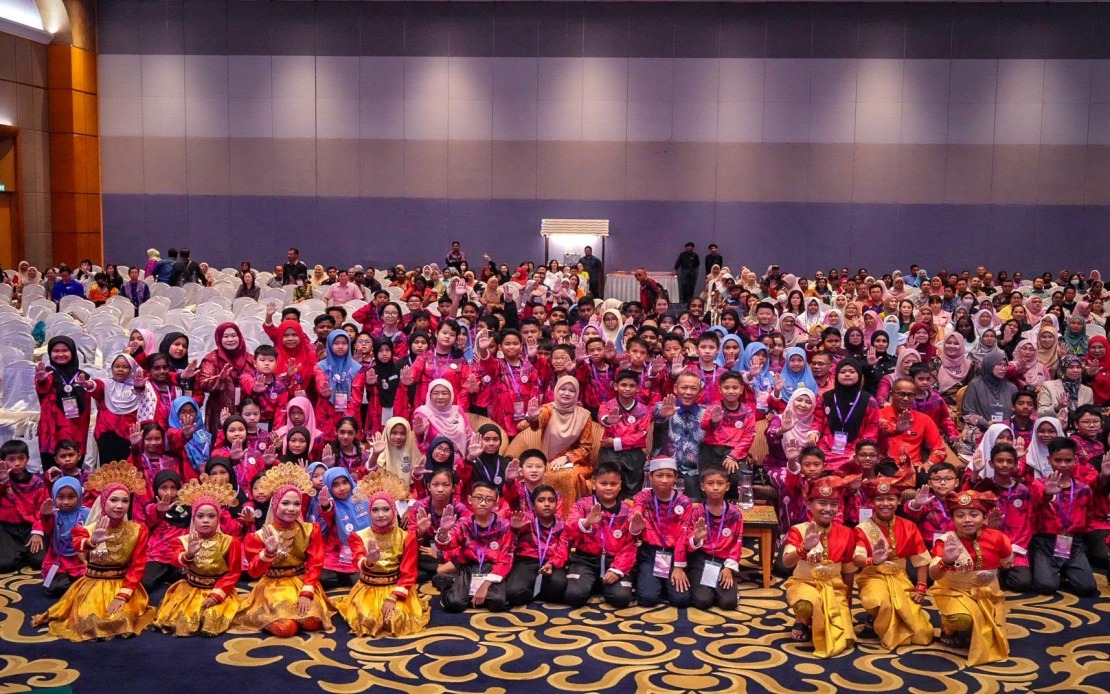
The Mutiara Diri Programme itself represents more than a routine awareness initiative. By bringing together the Education Minister, state-level leadership such as Negeri Sembilan Menteri Besar Datuk Seri Aminuddin Harun, parents and educators in a single forum, the government signals that school safety transcends educational bureaucracy and demands executive-level engagement. Such visibility from senior political figures reinforces that protecting children carries the same priority as any major policy agenda.
Fadhlina's explicit appeal to parents and educators to enhance synergy reflects recognition that schools cannot function as fortresses isolated from family and community involvement. Parents must understand their role in reinforcing safety messages at home, monitoring their children's emotional states, and communicating openly with school authorities about concerns. Educators, meanwhile, must be equipped with training, resources and psychological support to identify at-risk students and respond appropriately. This requires compensation structures that attract and retain quality teachers, particularly those willing to take on pastoral care responsibilities beyond classroom instruction.
The articulation of children's right to be in environments that are simultaneously safe, dignified and prosperous captures an important nuance often lost in school safety discourse. Safety alone—achieved through security cameras, metal detectors and lockdown procedures—can create oppressive rather than protective atmospheres. True safety ecosystems balance security measures with dignity, ensuring students are not treated as potential threats or perpetual suspects. Prosperity adds another dimension: safe schools must also be spaces where young people can pursue meaningful learning, develop talents and imagine futures with optimism.
For Malaysia's diverse society, the safe school agenda carries additional complexity. Schools serve as crucial sites where children from different ethnic, religious and socioeconomic backgrounds interact daily. Safety frameworks must protect not just physical bodies but also create space for genuine intercommunal understanding rather than enforced coexistence. This demands culturally competent educators, inclusive curricula that affirm all students' identities, and zero tolerance for discrimination or harassment based on protected characteristics.
The pathway forward requires sustained budget allocation, systematic training programmes for school staff, transparent incident reporting mechanisms that maintain accountability rather than sweeping problems under institutional carpets, and regular independent audits of safety practices. Schools should not operate in isolation; partnerships with community organisations, mental health professionals, law enforcement and non-governmental organisations can expand schools' capacity to address threats comprehensively. Malaysian schools must also learn from international best practices in trauma-informed approaches, recognising that many students arriving at school already carry significant emotional burdens.
Ultimately, Fadhlina's call represents an invitation for Malaysian society to recognise that school safety is not merely a sectoral issue but a national priority reflecting societal commitment to protecting its youngest citizens. The degree to which parents, teachers, administrators, politicians and community members respond to this call will fundamentally determine whether Malaysia's schools become genuinely safe havens where all children can flourish, or whether safety remains an aspirational rhetoric disconnected from lived reality.

