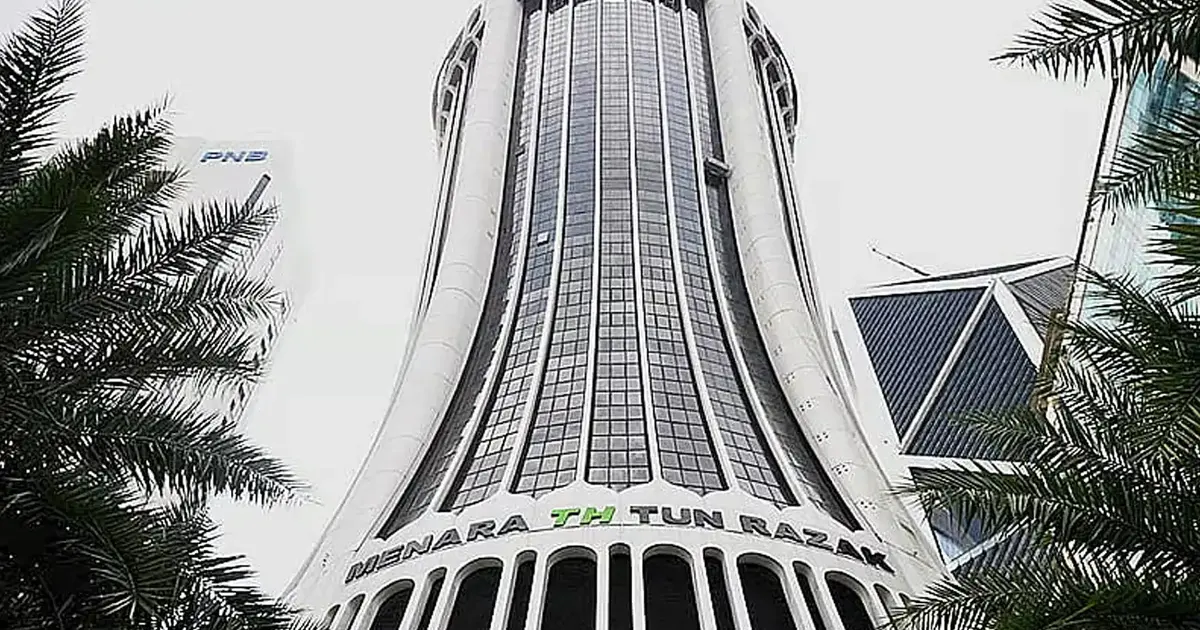
A team of eight officers from the Malaysian Anti-Corruption Commission has begun an extensive examination of Tabung Haji's records at the organisation's main office in Kuala Lumpur. The investigative operation represents a significant development in scrutiny of the fund, which manages savings and financial arrangements for Malaysian Muslims undertaking the Hajj pilgrimage.
Tabung Haji, officially known as Lembaga Tabung Haji, holds a pivotal position within Malaysia's Islamic financial ecosystem. The institution manages billions of ringgit in deposits and investments from millions of contributors who save towards their pilgrimage expenses. Any investigation into its operations carries substantial implications not only for affected depositors but also for public confidence in Islamic financial institutions across the country.
The arrival of the corruption watchdog's investigators signals heightened official interest in the fund's financial practices and administrative procedures. Document reviews of this scale typically focus on transaction trails, investment decisions, procurement processes, and governance compliance. The scope of such an examination can illuminate potential irregularities in how the organisation allocates resources and manages stakeholder funds.
For Malaysian and regional observers, the probe underscores the importance placed on transparency within institutions holding public deposits. Tabung Haji's role extends beyond mere financial intermediation; it carries cultural and religious significance as the primary vehicle through which ordinary Malaysians fulfil a central Islamic obligation. Any governance lapses at the organisation could affect millions of contributors nationwide.
The investigation timing and scale suggest officials may be examining specific concerns or allegations rather than conducting routine compliance checks. Tabung Haji has faced previous scrutiny over investment strategies, particularly regarding its exposure to equities and real estate markets. The fund's performance during economic downturns has occasionally drawn public questioning about management competence and fiduciary responsibility.
Investigators typically focus on several key areas when examining large financial institutions. These include verifying that procurement contracts were awarded through competitive, transparent processes; ensuring investment decisions followed established risk management frameworks; confirming that administrative costs remained within reasonable bounds; and validating that senior management disclosed conflicts of interest appropriately.
The broader context matters for understanding this development. Southeast Asian countries increasingly emphasise anti-corruption efforts as a cornerstone of institutional credibility. Malaysia's MACC has expanded its mandate and capabilities in recent years, investigating cases across government, state-owned enterprises, and institutions managing public resources. An investigation into Tabung Haji demonstrates the commission's willingness to examine even culturally significant institutions.
Depositors and their representatives will likely monitor this investigation closely. Tabung Haji contributors represent a politically significant constituency, and any findings suggesting mismanagement could trigger demands for accountability. The fund has faced occasional criticism from religious scholars and civil society groups questioning whether investment strategies align adequately with Islamic principles, adding an additional layer of scrutiny beyond conventional financial governance concerns.
The document review phase typically precedes any formal charges or public findings. MACC investigations can take considerable time, particularly when examining complex financial records spanning multiple years. Malaysian media and political observers will track whether this probe leads to further developments, statements from Tabung Haji leadership, or formal recommendations for institutional reform.
For Southeast Asian readers, this investigation reflects broader regional trends toward stronger oversight of financial institutions and state-owned enterprises. Countries throughout the region have strengthened anti-corruption agencies and enforcement mechanisms. Tabung Haji's experience may set precedents for how Malaysian authorities approach investigating large cultural and religious institutions managing public resources.
The investigation also carries implications for Tabung Haji's operational continuity and reputation. While investigations themselves prove inconclusive regarding wrongdoing, the public visibility of such probes can affect organisational morale, investor confidence, and contributor behaviour. Leadership at the fund will face pressure to demonstrate cooperation with authorities and commitment to addressing any findings.
Outcomes from this investigation could shape future governance standards for Malaysian pilgrimage funds and similar institutions managing religious or cultural savings schemes. Recommendations emerging from MACC findings might include procedural reforms, enhanced oversight mechanisms, or revised investment policies. These changes could influence how comparable institutions across Muslim-majority Southeast Asian nations structure their operations.
The presence of eight investigators at Tabung Haji's headquarters signals this examination's seriousness and comprehensive scope. As the document review progresses, Malaysian citizens—particularly the millions who have entrusted savings to the fund—will await clarity regarding any substantive findings and resulting institutional adjustments.

