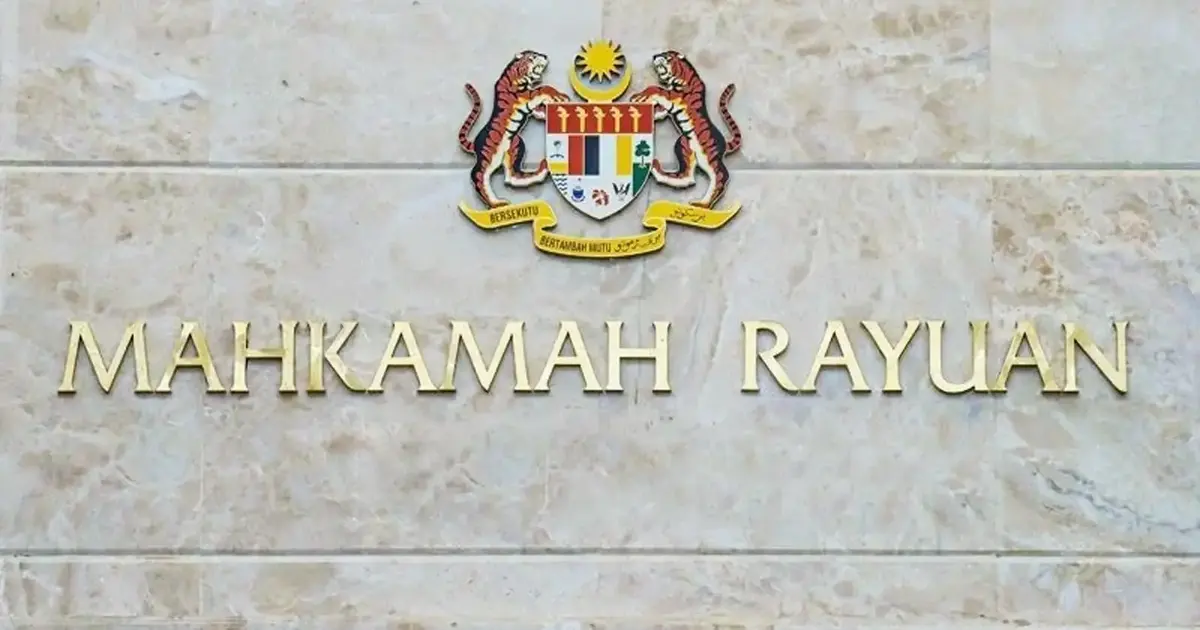
A court has ruled against a former student's application to reinstate the education ministry as a defendant in her ongoing bullying litigation, marking a significant setback in her legal strategy to hold multiple parties accountable for alleged misconduct at her school. The decision reflects the judiciary's current interpretation of institutional liability in cases involving student welfare and protection from harassment within educational settings.
The teenager initiated the lawsuit following a bullying episode that occurred during 2022, naming several respondents including the education ministry itself, her educational institution, individual educators, and the student she identified as the primary perpetrator. By casting a wide net of defendants, the plaintiff's legal team sought to establish systemic responsibility and institutional negligence alongside individual culpability. The rejection of the bid to restore the ministry as a party fundamentally alters the legal landscape of the case and may complicate arguments regarding institutional duty of care.
This court decision warrants careful attention from Malaysian education advocates and parents concerned about bullying prevention frameworks. The ruling potentially narrows the avenue through which victims can seek accountability from government educational bodies for their supervision and protective responsibilities. Rather than addressing systemic failures in bullying prevention protocols, the case now focuses on more localised defendants including the school and alleged direct perpetrators.
The education sector in Malaysia has faced increasing scrutiny regarding how effectively schools implement anti-bullying measures and respond to complaints. Several high-profile cases in recent years have highlighted gaps in institutional responses to student harassment, sparking public debate about whether schools and ministry officials adequately protect vulnerable pupils. This court ruling may inadvertently shield educational authorities from direct legal liability in similar circumstances going forward.
The plaintiff's legal team must now restructure their arguments to emphasise the responsibilities of the school itself and individual employees rather than leveraging broader institutional negligence claims against the ministry. This strategic limitation could affect the potential scope of remedies and compensation, as liability becomes concentrated on fewer parties with potentially more limited resources than the federal education apparatus. Schools operating with budgetary constraints might face disproportionate financial exposure in bullying cases.
From a regional perspective, Malaysia's handling of bullying litigation differs from approaches in neighbouring jurisdictions. Singapore and Thailand have developed more explicit legislative frameworks addressing institutional accountability in educational institutions, and some regional precedents have been more receptive to holding ministries accountable for systemic failures. The Malaysian court's stance suggests a more restrictive interpretation of the doctrine of vicarious liability in the educational context.
The timing of this ruling occurs amid broader conversations about student mental health and safeguarding in Southeast Asian schools. Multiple countries across the region have witnessed alarming rates of self-harm and depression among young people, with bullying consistently identified as a contributing factor. Educational authorities face mounting pressure to demonstrate proactive engagement with these crises rather than legal deflection.
Parents and advocates will likely scrutinise how the education ministry responds to this judicial development. The ministry could interpret the court's decision as an opportunity to further strengthen school-level accountability mechanisms and empower principals to take decisive action against bullying. Conversely, some will view it as evidence that the ministry is distancing itself from direct responsibility for student welfare despite its regulatory authority over schools nationwide.
The case also raises important questions about the structural vulnerabilities that emerge when institutions can deflect legal accountability for systemic issues. When government bodies successfully remove themselves from litigation related to matters they ostensibly regulate and oversee, injured parties must pursue remedies through more limited channels. This arrangement can diminish incentives for ministerial-level policy reforms or investments in prevention infrastructure.
Moving forward, affected students and their families might need to refocus their advocacy efforts toward legislative reform rather than relying solely on judicial remedies. Pushing for clearer statutory duties requiring educational authorities to implement and monitor anti-bullying programmes could create more robust protections than case-by-case litigation. Several other jurisdictions have enacted specific legislation mandating institutional anti-bullying frameworks and establishing clear lines of accountability.
The plaintiff's case continues with the school, individual teachers, and the identified student perpetrator remaining as defendants. These respondents will now bear the full weight of defending against claims regarding the 2022 incident. The school in particular faces potential liability for negligent supervision and failure to protect, allegations that could result in significant damages if the plaintiff prevails.
Education officials and school administrators across Malaysia would be wise to review their existing bullying prevention protocols and incident response procedures. Even with the ministry insulated from direct legal liability, schools themselves remain vulnerable to claims of institutional negligence and inadequate safeguarding. Investment in comprehensive anti-bullying training, clear reporting mechanisms, and documented intervention procedures represents both an ethical imperative and a practical risk management strategy.
This judgment ultimately underscores the importance of robust legislative frameworks that explicitly define institutional responsibilities for student safety. As Malaysia continues developing its educational accountability architecture, policymakers might consider whether current arrangements adequately balance institutional efficiency with meaningful protection for vulnerable young people in schools.

