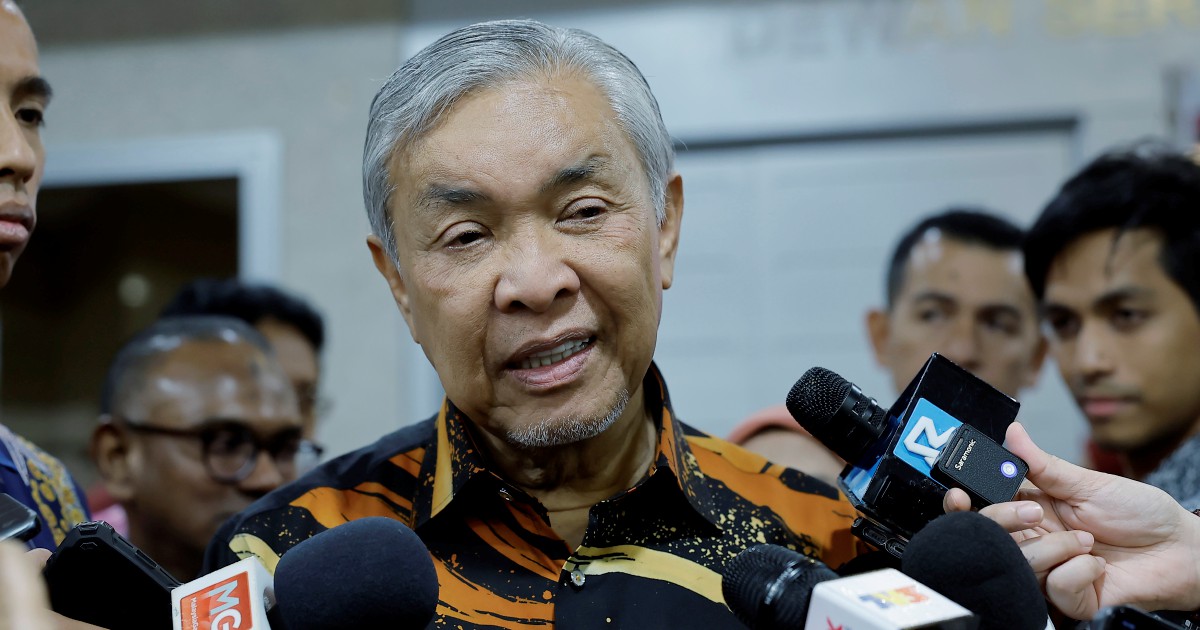
Barisan Nasional chairman Datuk Seri Dr Ahmad Zahid Hamidi has firmly rejected suggestions that outside forces influenced the process for selecting the Negri Sembilan Menteri Besar, instead framing such accusations as uninformed remarks made by those who have not grasped how Malaysian political systems actually function.
Zahid's robust defence of the appointment mechanism reflects the ongoing sensitivity surrounding leadership transitions within the coalition. The selection of a state chief minister remains one of the most consequential decisions in Malaysian politics, as the position controls state resources, patronage networks, and represents a critical stepping stone for those with national ambitions. Any perception of improper external interference can delegitimize the appointment and create fissures within coalition parties that took part in negotiations.
The Negri Sembilan Menteri Besar post carries particular significance within the Barisan Nasional framework. The state, located strategically between the federal heartland and the southern economic corridor, represents a substantial electoral prize with considerable economic interests. Historically, the appointment process involves consultations among BN component parties, state assemblymen, and federal leadership—a complex dance that requires balancing competing interests and maintaining factional equilibrium within the coalition.
Zahid's dismissal of external interference claims suggests that critics may be questioning decisions made through established channels but presenting them as evidence of improper influence. In Malaysian politics, the distinction between normal internal party negotiations and illegitimate external pressure often lies in perspective rather than objective fact. Those satisfied with outcomes tend to view processes as legitimate; those disappointed frequently invoke claims of hidden manipulation or outside pressure.
The appointment process for menteri besar positions has occasionally attracted scrutiny in recent years as Malaysia's political landscape has become more fragmented. The shift from single-party dominance to more competitive conditions has made coalition management more complex and rendered leadership appointments more contentious. When multiple parties hold significant state representation, the negotiations become more intricate, and disgruntled factions may cry foul if their preferred candidate does not prevail.
Zahid's characterization of critics as lacking understanding of political realities carries an implicit warning about accepting established procedures and respecting the outcomes of negotiations conducted within proper frameworks. His language suggests that critics either misunderstand how consensus emerges in coalition settings or deliberately misrepresent routine consultations as improper interference. This rhetorical approach aims to discredit alternative narratives while defending the legitimacy of the selection method without necessarily explaining the specific details of how the decision was reached.
For Malaysian readers and observers across Southeast Asia, this dispute illuminates the often opaque nature of high-level political appointments in large coalition governments. Unlike straightforward elections or transparent selection mechanisms, leadership appointments typically involve behind-the-scenes negotiations that remain largely invisible to the public. This opacity inevitably generates competing interpretations of what occurred and why particular individuals were chosen over alternatives.
The controversy also underscores the persistent tension between coalition solidarity and internal party interests. Barisan Nasional, as a grouping of multiple parties with their own leadership structures and member bases, must constantly reconcile demands from constituent parties with the need for cohesive governance. When a single party's preferred candidate does not secure an appointment, that party and its supporters may feel marginalized, leading to claims that their voice was ignored or that external actors overrode their legitimate preferences.
Zahid's emphasis on understanding political realities suggests an expectation that BN members and observers should accept that not every state appointment will satisfy every interest group. The realities of coalition politics inevitably mean that some aspirants will be disappointed and some factions will not achieve their preferred outcomes. These are understood as normal features of multi-party governance rather than evidence of systemic breakdown or improper interference.
The timing and intensity of these accusations may also reflect broader dynamics within Malaysian politics. If particular factions within BN believed they had stronger claims to influence the Negri Sembilan decision, their public criticism of the process serves multiple purposes: it registers dissatisfaction, mobilizes supporters who share their concerns, and potentially positions them for greater influence over future appointments. Zahid's response similarly functions as a rhetorical move designed to delegitimize these complaints before they gain broader traction.
Moving forward, this controversy may influence how BN approaches future menteri besar selections, potentially prompting greater transparency about the criteria and processes involved. Alternatively, if Zahid's dismissal of critics proves effective, the coalition may maintain current opaque procedures on the assumption that public attention inevitably fades once appointments are finalized and governance begins. For Malaysian political observers, the dispute serves as a reminder that coalition management remains one of the most challenging aspects of the country's parliamentary system, especially when economic interests and national political ambitions intersect within state-level appointments.

