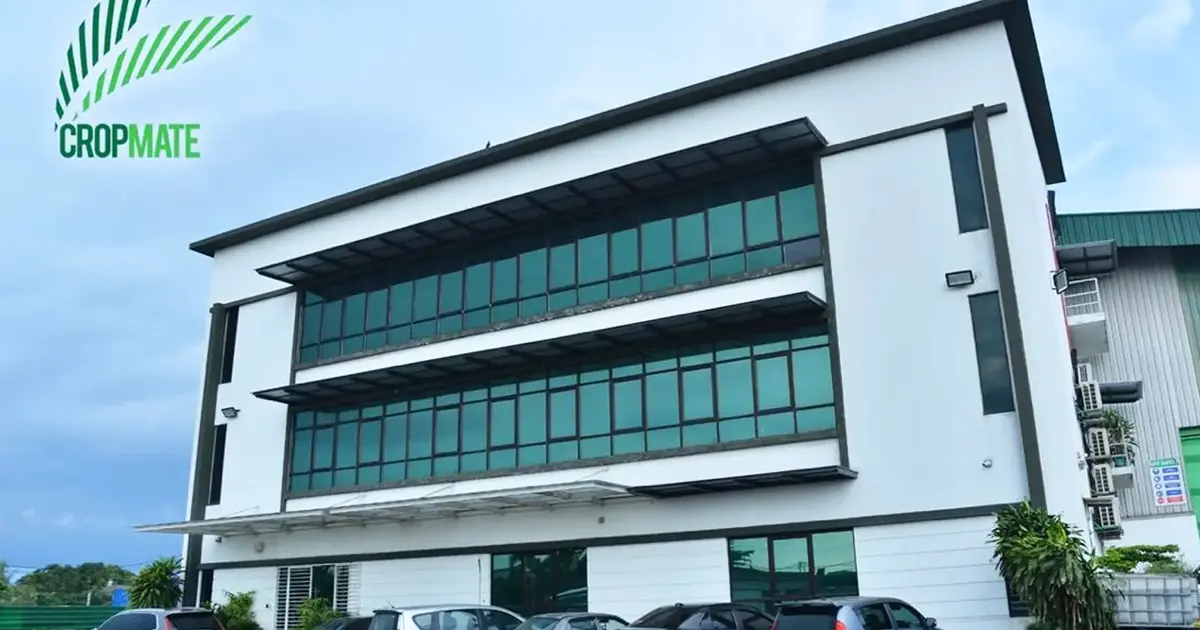
Fertiliser manufacturer Cropmate has announced that its previously frozen bank accounts have been released, marking a significant development for the company as it navigates recent operational challenges. The restoration of banking access represents a crucial milestone for the firm's continued operations and financial stability, allowing the company to resume normal transaction capabilities after a period of restricted access that had likely impeded routine business functions.
The release of the accounts comes at a time when many agricultural input suppliers across Southeast Asia face heightened regulatory scrutiny. Banking restrictions can severely hamper a company's ability to pay suppliers, meet payroll obligations, and manage day-to-day operations. For a fertiliser distributor like Cropmate, which operates within the critical agricultural supply chain, such disruptions can have ripple effects throughout the farming sector, affecting thousands of smallholder and commercial farmers who depend on steady access to soil nutrients and amendments.
Cropmate has also taken the opportunity to explicitly clarify its personnel status, asserting that neither its employees nor its board of directors have been arrested or charged with any offence. This assurance is particularly important in jurisdictions where corporate governance and regulatory compliance concerns can quickly escalate into public relations challenges and investor anxiety. By publicly confirming the absence of criminal charges against key personnel, the company seeks to restore confidence among its business partners, financial institutions, and customers who may have been concerned about the underlying reasons for the initial account freeze.
The nature of the original account freeze remains unclear from available information, though such measures are typically initiated by financial regulators or law enforcement as a precautionary measure during investigations or compliance reviews. Agricultural sector companies handling bulk commodities and managing significant cash flows can sometimes attract regulatory attention, particularly if there are concerns about transaction patterns, documentation, or adherence to anti-money laundering protocols. The relative brevity of the freeze—if recent—suggests either swift regulatory resolution or that authorities determined the concerns warranted only temporary scrutiny.
For Malaysian businesses and the broader regional agricultural sector, Cropmate's situation underscores the importance of maintaining robust internal compliance frameworks and transparent financial record-keeping. Companies operating in the fertiliser distribution space must navigate an increasingly complex regulatory landscape that encompasses environmental considerations, import-export documentation, agricultural subsidy interactions, and financial reporting standards. A single compliance gap can trigger investigations that, while ultimately resolved, create operational disruptions and reputational uncertainty.
The restoration of banking access enables Cropmate to resume capital management activities that may have been constrained during the freeze period. This includes settling outstanding invoices to suppliers, processing payroll for employees, managing inventory purchases, and potentially addressing any accumulated financial obligations that accumulated while operations were hampered. For a company in the agricultural inputs sector, seasonal demand patterns mean that timing of cash flow access is particularly critical—delays during planting seasons can result in lost sales opportunities and customer dissatisfaction.
Cropmate's explicit statement regarding its employees and directors carries particular weight in Malaysia's corporate environment, where regulatory bodies including the Malaysian Anti-Corruption Commission, Bank Negara Malaysia, and the Securities Commission have demonstrated willingness to pursue both institutional and individual accountability. By preemptively clarifying that no arrests or charges have been filed, the company manages expectations and attempts to prevent speculation or reputational damage that might otherwise spread through business networks and trading relationships.
The incident reflects broader trends in Southeast Asian financial regulation, where compliance infrastructure has strengthened considerably in recent years. Enhanced scrutiny of business transactions, particularly involving commodities and agricultural products, has become standard practice as regulators work to combat financial crime and ensure market integrity. Companies like Cropmate that operate in commodity distribution must expect periodic reviews and must maintain documentation and procedural standards that can withstand regulatory examination.
Looking ahead, the company's ability to rebuild stakeholder confidence will depend partly on its communication regarding lessons learned and any enhanced procedures implemented to prevent future account restrictions. Transparent explanation of what occurred and how operations have been adjusted accordingly can transform a potentially damaging situation into evidence of organizational resilience and commitment to compliance.
For the Malaysian agricultural sector broadly, Cropmate's experience serves as a reminder that supply chain stability depends on the financial health and regulatory standing of key suppliers. Farmers and distributors who source from companies should consider counterparty risk factors, including regulatory history and banking relationships, as part of their broader supply chain risk management strategies. The restoration of Cropmate's banking access provides reassurance to downstream users of fertiliser products that supply continuity can be maintained.

