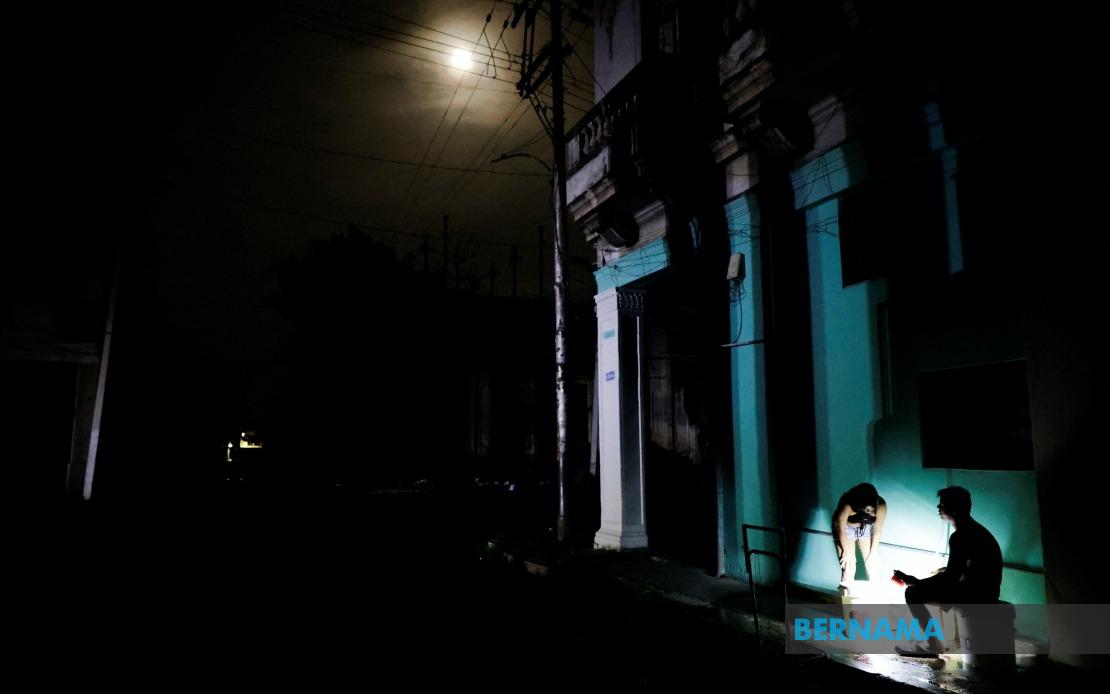
Cuba's electrical grid collapsed in early August, plunging the entire Caribbean nation into darkness once again. The state-owned electricity utility confirmed the failure of the national energy system, resulting in a comprehensive power outage that affected millions of residents across the island. While authorities did not immediately disclose the specific cause of the grid failure, the incident underscores the precarious state of Cuba's aging and overtaxed energy infrastructure, which has become increasingly vulnerable to catastrophic breakdowns.
This latest blackout represents the fourth major nationwide outage in roughly two months, with three additional incidents recorded throughout July before August's failure. The frequency and severity of these collapses illustrate the deepening nature of Cuba's energy crisis, transforming what were once exceptional emergencies into a recurring reality that now characterises daily life for ordinary Cubans. Each successive blackout inflicts cumulative damage on the national economy and public morale, disrupting not only household routines but also commercial operations and essential services that depend on stable electricity supply.
The impact of rolling blackouts has become deeply embedded in Cuban society, fundamentally altering how residents manage their daily activities. Families have adapted by using electricity opportunistically, activating appliances only when power becomes available rather than according to schedule. This unpredictable pattern affects cooking, bathing, internet access, and the ability to maintain adequate cooling during intense summer temperatures—conditions that make prolonged outages particularly challenging. For many Cubans, accessing electricity has become a privilege tied to chance rather than a reliable utility service.
The underlying causes of Cuba's energy shortage are multifaceted and deeply entrenched. The island's power generation capacity relies heavily on aging thermal plants and imported fuel, both of which face significant constraints. International sanctions, combined with economic pressures and limited foreign currency reserves, have severely restricted Cuba's ability to purchase petroleum products necessary to generate electricity. Meanwhile, refinery capacity issues and lack of investment in infrastructure modernisation have compounded these difficulties, creating a structural energy deficit that cannot be quickly resolved through short-term measures alone.
Recognising the gravity of the situation, the Cuban government has initiated a series of economic reforms aimed at addressing chronic energy shortages and revitalising stalled economic activity. In July, Prime Minister Manuel Marrero Cruz announced that authorities had approved Cuba's first foreign investment venture specifically designed to import and distribute fuel domestically. This represents a significant shift in policy, signalling government willingness to engage foreign capital in addressing the energy crisis—a notable departure from Cuba's traditionally restrictive approach to foreign business involvement.
Beyond fuel importation, the government has substantially broadened its opening to private sector participation in energy-related activities. Nearly two hundred businesses have received authorisation to operate in wholesale fuel distribution, effectively decentralising what was previously a monopoly controlled by state enterprises. This expansion of private market activity aims to create competition and efficiency gains that might alleviate bottlenecks in fuel supply chains. Simultaneously, lawmakers have approved measures permitting private investment in the tourism sector, recognising that economic diversification and foreign currency generation are essential to funding energy sector improvements.
Prime Minister Marrero has been candid about the gradualist nature of these reforms, cautioning Cubans that meaningful improvements will emerge only through sustained effort over extended timeframes. In his July statement, he acknowledged that the implementation phase now beginning represents both the most critical and the most challenging stage of the reform process. This frank assessment reflects government awareness that expectations among the population run high, yet delivering tangible benefits requires navigating complex structural obstacles and coordinating action across multiple economic sectors simultaneously.
The government's incremental reform strategy contrasts sharply with the urgency of Cuba's energy emergency. While new foreign investment ventures and expanded private sector participation may eventually improve fuel availability and generation capacity, such changes typically require months or years to materialise and achieve meaningful impact. In the interim, Cubans must endure continued blackouts and the profound disruptions they inflict on economic activity, public services, and household functioning. The lag between policy implementation and practical results creates a credibility gap that could undermine public confidence in government solutions.
For Southeast Asian observers, Cuba's experience offers instructive lessons about energy security vulnerability and the risks of import-dependent power generation systems. Malaysia and other regional nations benefit from more diversified energy portfolios and stronger fiscal capacity to maintain infrastructure, yet face their own challenges around grid reliability and managing growing electricity demand. Cuba's willingness to undertake economic opening and invite foreign capital participation, despite ideological constraints, demonstrates how severe energy crises can compel pragmatic policymaking even in resistant political environments.
The broader implications of Cuba's energy situation extend beyond the island itself, affecting regional politics and hemispheric relations. Persistent blackouts heighten social discontent and could influence public sentiment regarding government effectiveness and economic policy direction. Additionally, energy insecurity constrains Cuba's ability to support economic activity and maintain basic services, potentially driving migration pressures and complicating regional stability. As the Cuban government pursues market-oriented reforms to address the crisis, international observers will monitor whether such measures generate sufficient improvements to prevent further deterioration of living conditions.

